-


What We Do
We manufacture three core product lines: dyeing auxiliaries (levelling & fixing agents), various antistatic agents for synthetic fabrics, functional silicone softeners for diverse textile finishing demands. -

Engineering & Technical Capability
In-house lab and professional R&D team develop formulas for pre-treatment, dyeing and finishing chemicals. Custom formulations for various fabrics are available with complete process control from lab trial to mass production. -

Supply Network
Integrated supply chain covers raw material procurement, standardized warehouse and nationwide logistics. Omnichannel sales support bulk purchases and small customized orders with timely delivery. -
 Quality Control & ComplianceThree-tier inspection on raw material, production and finished goods strictly controls product indexes. All items meet EU eco standards without APEO, formaldehyde and heavy metals, supported by complete MSDS and full regulatory compliance.


en

Get a Quote

Polyester Fixing Agent HN-860
Oxygen in the air, under the catalysis of light, causes yellowing and shade change of disperse dyes on polyester fiber surfaces. Particularly for disperse dyes with poor sublimation fastness, during high-temperature setting, some dye inside the fiber migrates to the fiber surface, which reduces washing fastness and dry/wet rubbing fastness. Shade change is also prone to occur on light shades and sensitive color combinations. These issues are especially prominent when dyeing polyester fabrics. For orders with high fastness requirements, dye houses typically use the process: polyester dyeing → reduction cleaning → intermediate setting → reduction cleaning → setting. Polyester dyeing requires two setting processes, which increases production steps, electricity costs, and introduces uncertainties. Our company's Polyester Fixing Agent effectively solves the above problems.
- Technical Specifications
- Features
- Instructions for Use
- Storage and Transportation
- Test Report
- Contact Us
|
Appearance |
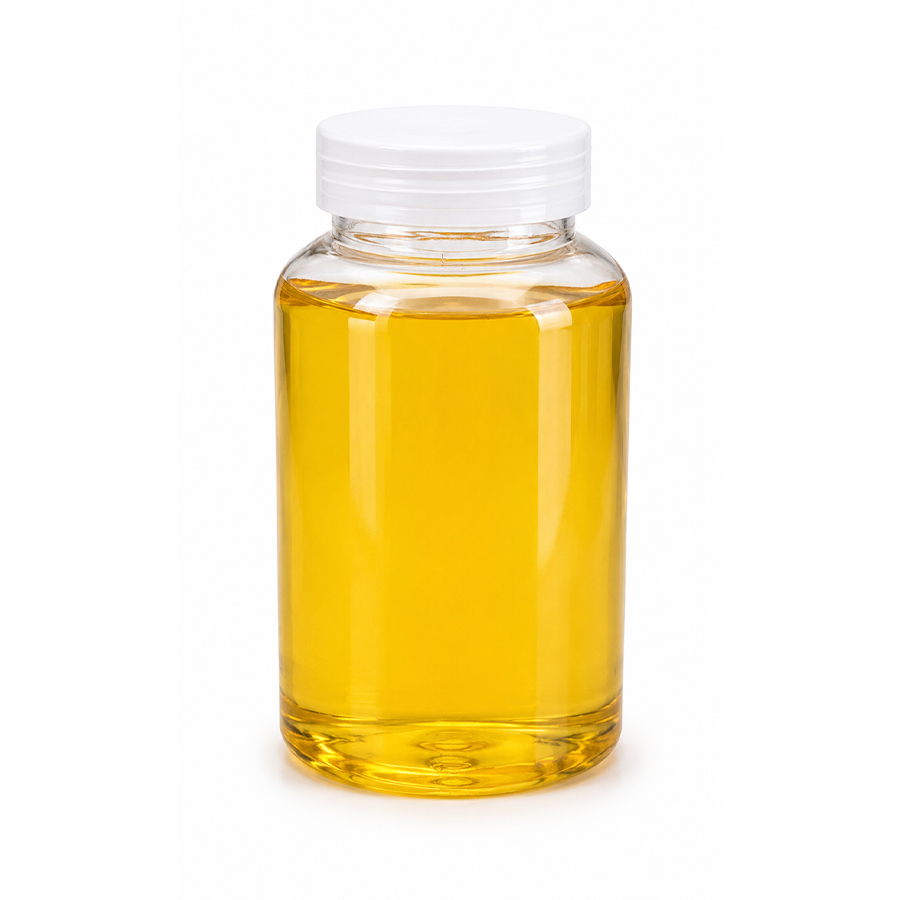
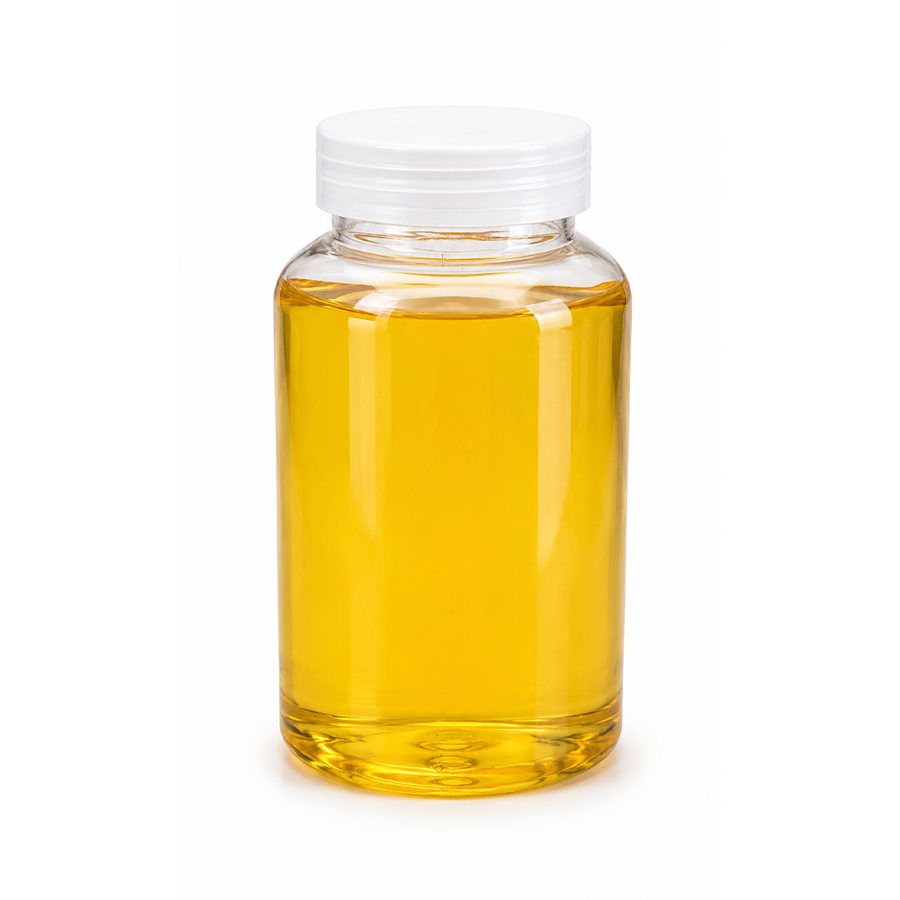
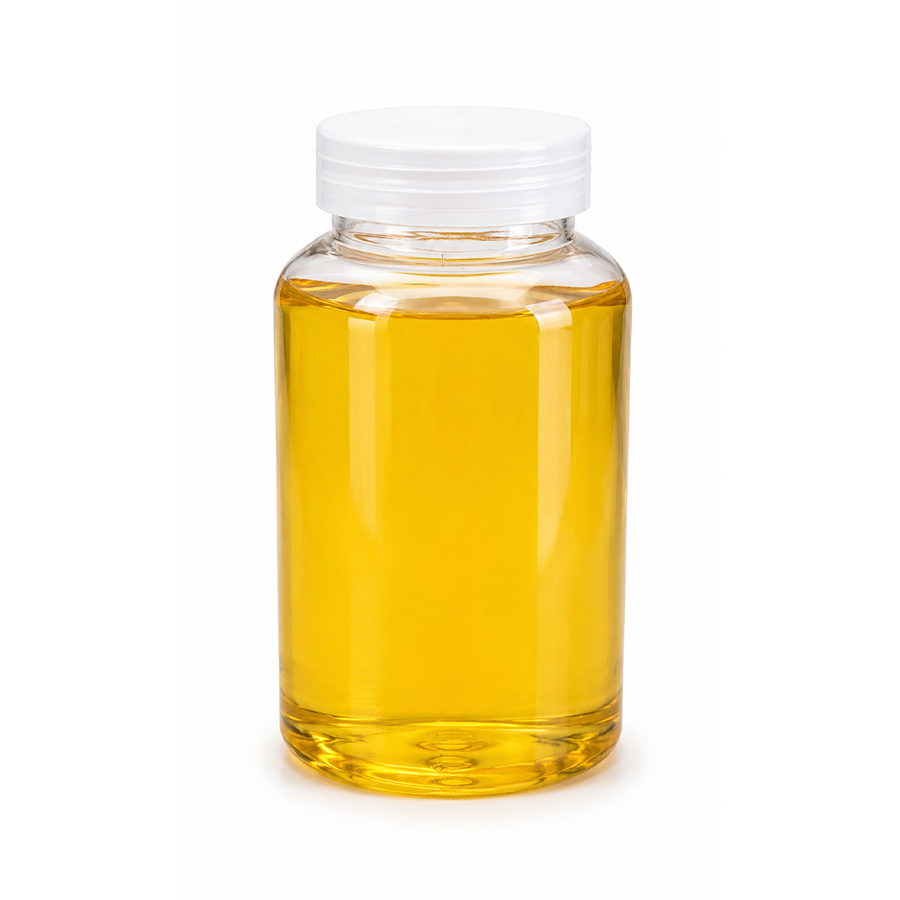
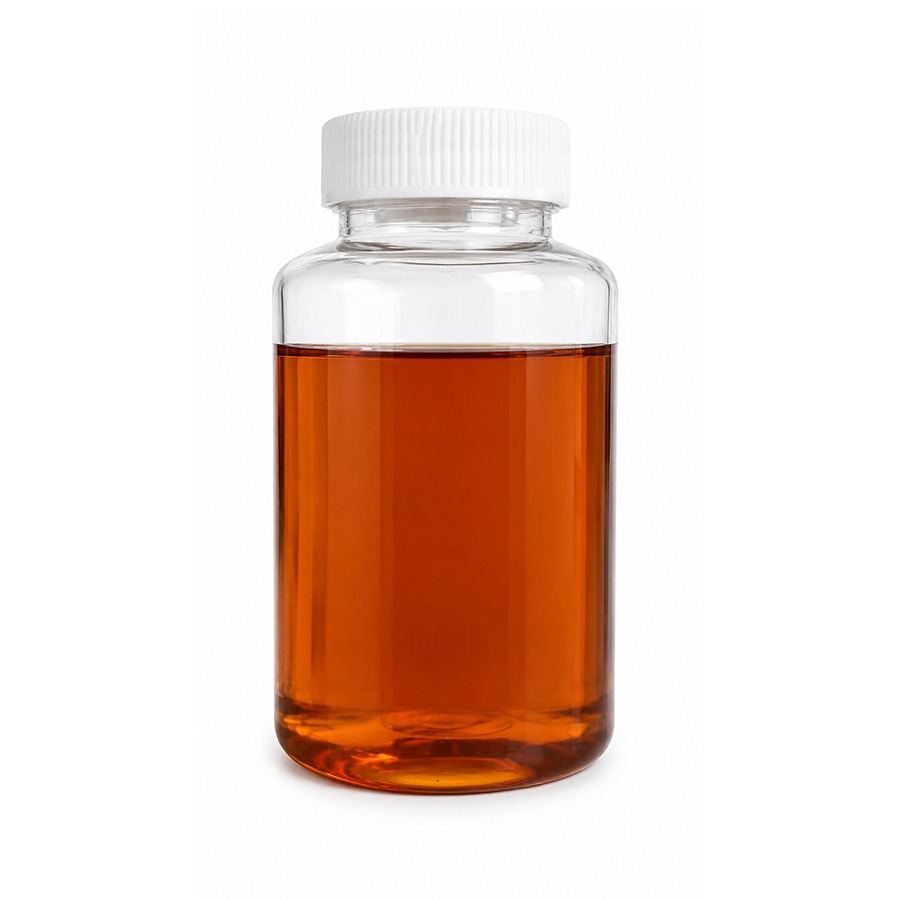
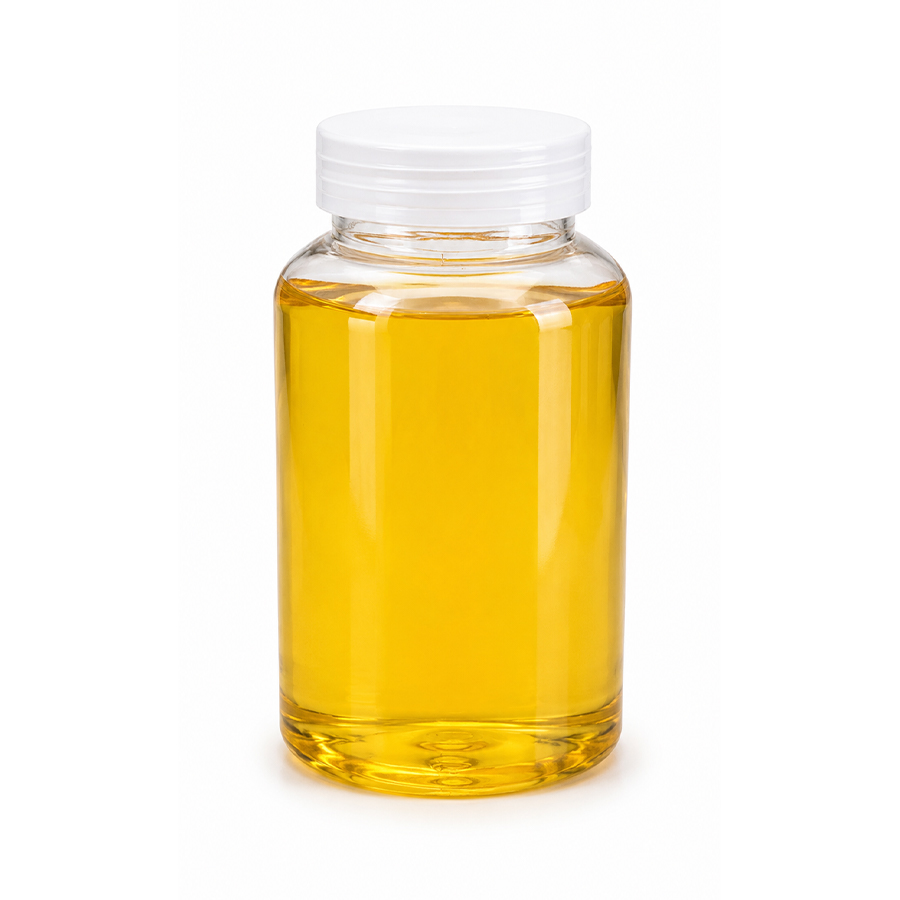
Slightly yellow transparent liquid |
|
pH value |
7.0 ± 0.5 (1% aqueous solution) |
|
Ionicity |
Cationic |
1. A cationic polymer fixing agent with excellent fixing performance, suitable for pure polyester and polyester/cotton blended fabrics.
2. No dye bleeding in the bath after fixing; does not alter fabric color.
3. Fabrics after fixing are more hydrophilic compared to traditional fixing agents, have minimal impact on hand feel, and are easy to strip.
4. Formaldehyde-free, belonging to green and environmentally friendly auxiliaries.
1. Pure Polyester Fabric
Padding process: 10–30 g/L, one dip one nip, drying at 130–170°C for 100–120 seconds.
2. Polyester/Cotton Blends
·It is recommended to select the appropriate dosage based on the polyester content. If the polyester content is high, reduce the dosage appropriately (higher dosage may reduce fastness). If the cotton content is high, increase the fixing agent dosage appropriately to achieve good fixing results.
·Padding process: 10–30 g/L, one dip one nip, drying at 130–170°C for 100–120 seconds.
The above methods are for reference only. Adjust according to actual factory processes. This product can also be diluted; adjust the dilution ratio according to actual requirements.
Packaged in polyethylene plastic drums with inner plastic liner, 125 kg per drum.
Store in a cool, dry, well-ventilated warehouse. Shelf life: 6 months.
Appendix: Polyester Fixing Agent HN-860 Test Report
1. Test Materials
Red and brilliant blue polyester knitted fabrics
2. Test Instruments & Equipment
High-temperature laboratory dyeing machine
3. Test Results
3.1 Basic Properties
|
Product |
Appearance |
Ionicity |
Content |
pH (1%) |
|
860 |
Light yellow liquid |
Cationic |
50% ± 2% |
7.0 ± 0.5 |
3.2 Padding Method Fixing Results
Fixing process: One dip one nip (padding pressure 3 kg, pick-up approx. 75%), drying (170°C), then test wash fastness, boiling water soaking fastness, and hydrophilicity.
|
Sample |
Shade change |
Acetate |
Cotton |
Nylon |
Polyester |
Acrylic |
Wool |
|
Blank (control) |
4-5 |
4-5 |
2-3 |
4 |
4-5 |
4-5 |
4-5 |
|
Low dosage (10 g/L) |
4-5 |
4-5 |
3-4 |
4-5 |
4-5 |
4-5 |
4-5 |
|
Medium dosage (20 g/L) |
4-5 |
4.0 |
4-5 |
4-5 |
4-5 |
4-5 |
4-5 |
|
High dosage (30 g/L) |
4-5 |
4-5 |
4-5 |
4-5 |
4-5 |
4-5 |
4-5 |
Wash Fastness (GB/T 3921.3-1997) - Red Fabric:
Wash Fastness (GB/T 3921.3-1997) - Brilliant Blue Fabric:
|
Sample |
Shade change |
Acetate |
Cotton |
Nylon |
Polyester |
Acrylic |
Wool |
|
Blank (control) |
4-5 |
4.0 |
3.0 |
3.0 |
3-4 |
4.0 |
4.0 |
|
Low dosage (10 g/L) |
4-5 |
4.0 |
3-4 |
3-4 |
4.0 |
4-5 |
4-5 |
|
Medium dosage (20 g/L) |
4-5 |
4.0 |
4.0 |
3-4 |
4.0 |
4.0 |
4-5 |
|
High dosage (30 g/L) |
4-5 |
4-5 |
4-5 |
4.0 |
4-5 |
4-5 |
4-5 |
Boiling Water Soaking Fastness:
Bath ratio 1:30, 98°C × 10 min with 5.0 g/L detergent
Hydrophilicity (Water drop test): <1 second for all treated samples (same as blank)
4. Product Features
·Minimal impact on hand feel
·No shade change
·Bright color
·Hydrophilic
·Easy to strip
Related products
Your One-Stop Supplier of Textile
Printing & Dyeing Auxiliaries
Better Textile Auxiliaries Superior Quality
View More
Jiangyin Huanan New Material Technology Co., Ltd. established in 1984 and located in Jiangyin City, Jiangsu Province, China, we are China Polyester Fixing Agent HN-860 Suppliers and Wholesale Polyester Fixing Agent HN-860 Exporter, Company, we leading manufacturer and supplier of high-performance textile printing and dyeing auxiliaries. The company is primarily engaged in the research, development, production, and sales of pre-treatment auxiliaries, post-treatment auxiliaries, and dyeing auxiliaries. The company has two production plants with an annual production capacity of 60,000 tons. Our products include Moisture-Wicking Finishing Agents, High-Concentration Repair Agents (Liquid), Low-Temperature Environmentally Friendly Carriers, Various Types of Silicone Oil, Silicone Softeners, Antistatic Agents (Cationic & Non-Ionic), Color-Fixing Agents, Stiffening Agents, Down-Proof and Windproof Agents, and Dry and Wet Rubbing Fastness Enhancers.
We take pride in offering eco-friendly formulations, including APEO-free and formaldehyde-free options, to help our customers comply with international environmental regulations such as OEKO-TEX, ISO 14001, and ISO 45001. Jiangyin Huanan delivers quality, consistency, and value. We are committed to building long-term partnerships based on trust, innovation, and mutual growth, serving customers.
We take pride in offering eco-friendly formulations, including APEO-free and formaldehyde-free options, to help our customers comply with international environmental regulations such as OEKO-TEX, ISO 14001, and ISO 45001. Jiangyin Huanan delivers quality, consistency, and value. We are committed to building long-term partnerships based on trust, innovation, and mutual growth, serving customers.
JIANGYIN HUANAN NEW MATERIAL

Mission
Adhere to Quality-focused Values
Sticking to integrity, superior quality and customer-oriented values, Jiangyin Huanan New Materials Technology Co., Ltd. focuses on R&D, production and sales of eco-friendly textile auxiliaries, supplying customized full-chain solutions for printing & dyeing factories.
Pay Attention To Our
Latest News and Exhibitions
View All News

Our team is always ready to serve you wholeheartedly.
Contact us
huanannewmaterials@gmail.com
-
 Phone: +86 - 13861620767
-
 Fax: +86-0510-86200939
-
 298 Hongxing Road, Huashi Town, Jiangyin City, Wuxi City, Jiangsu Province, China
Product links
Mobile App
Copyright © Jiangyin Huanan New Materials Technology Co., Ltd. All Rights Reserved
Wholesale Polyester Fixing Agent HN-860 Suppliers

-
huanannewmaterials@gmail.com
-

-

-
+86 - 13861620767