






How Do Wool Leveling Agents Control the Strike Rate of Acid Dyes to Prevent Skitteriness and Unlevel Dyeings on Protein Fibers?
1. The Skitteriness Problem in Wool Dyeing
Wool fibers have a complex surface structure with scales and cuticles, making them prone to unlevel dyeing. The term "skitteriness" describes a speckled, uneven appearance caused by differential dye uptake across the fiber surface and between individual fibers. Acid dyes used on wool exhibit an S-shaped exhaustion curve with a sharp peak where the strike rate accelerates rapidly. This peak zone is where skitteriness most commonly develops, as the rapid dye uptake allows insufficient time for dye molecules to migrate and level out.
Wool leveling agents address this challenge through two complementary mechanisms:
- Retarding action – Slowing down the initial dye strike rate to prevent localized over-concentration and allow uniform dye distribution from the beginning.
- Migration action – Promoting dye migration from dark areas to lighter areas during the dyeing process to correct emerging unlevelness.
2. Classification and Mechanisms of Wool Leveling Agents
Based on their mode of action, wool leveling agents fall into two main categories:
- Fiber-affinity leveling agents – These agents have affinity for the wool fiber and compete with dye molecules for the active dye sites. They temporarily occupy the fiber surface, slowing dye absorption, and are gradually displaced by the dye as the temperature rises. This provides controlled dye release and a retarded strike rate.
- Dye-affinity leveling agents – These agents have greater affinity for the dye than for the fiber. They form complexes with dye molecules in the bath, reducing the concentration of free dye available for absorption. As the dyeing proceeds, the dye is gradually released from the complex to bind with the fiber. This mechanism provides both retarding and migration effects.
3. Comparative Performance: Control of Strike Rate and Levelness
The following table compares the effectiveness of different wool leveling agent types in controlling strike rate and preventing unlevel dyeing.
| Leveling Agent Type | Primary Mechanism | Strike Rate Control | Migration Effect | Ionicity | Typical Dosage (owf) |
|---|---|---|---|---|---|
| Fiber-affinity (anionic) | Competitive fiber site occupation | Moderate retardation (slows by 15-25%) | Limited | Anionic | 1.0-2.0% |
| Dye-affinity (non-ionic/amphoteric) | Dye complexation and controlled release | Strong retardation (slows by 30-45%) | Excellent | Non-ionic / Amphoteric | 0.5-1.5% |
| Combined system (anionic + non-ionic) | Both mechanisms | Balanced (slows by 25-35%) | Good | Anionic + Non-ionic | 1.0-2.5% |
| Jiangyin Huanan WL-900 | Amphoteric, combines both mechanisms | Excellent (slows by 35-40%) | Superior | Amphoteric | 0.8-1.8% |
4. Practical Solutions from Jiangyin Huanan's Product Portfolio
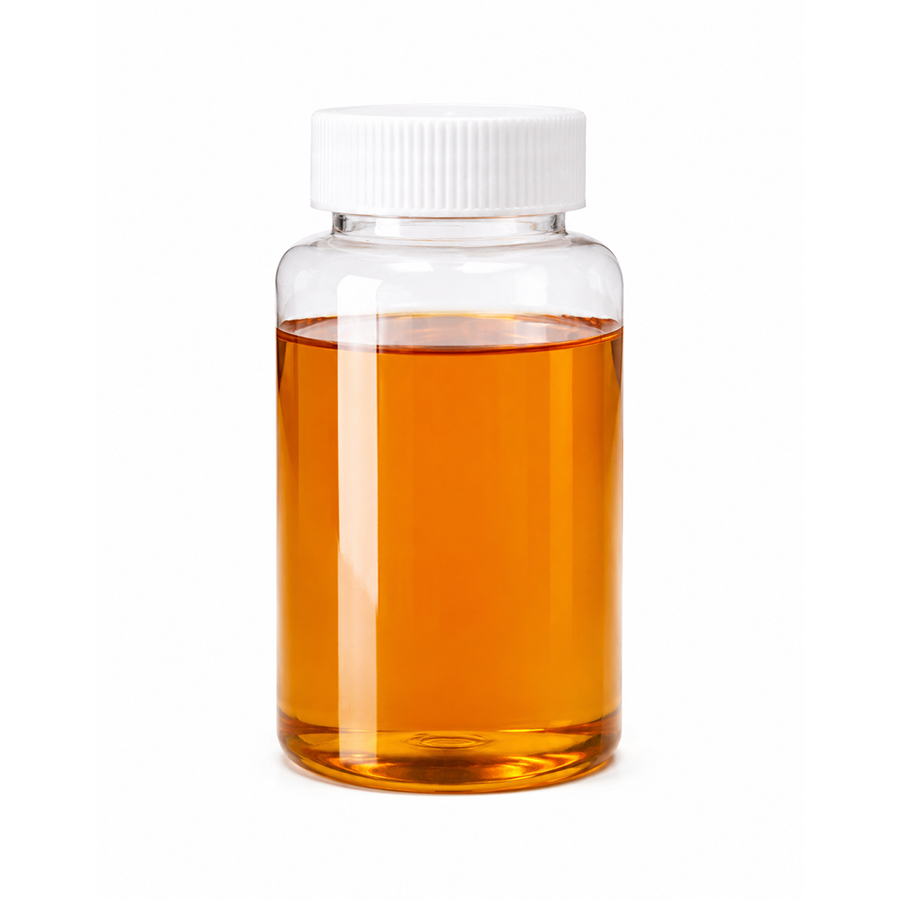
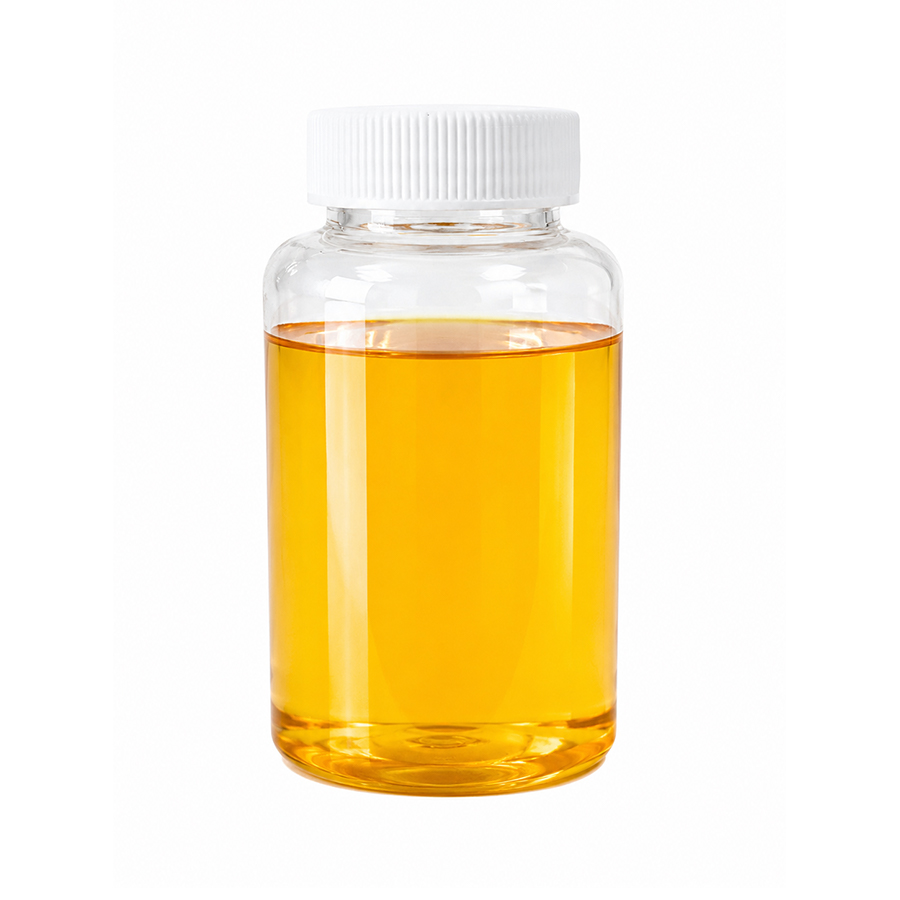
Jiangyin Huanan New Material Technology Co., Ltd. offers specialized wool leveling agents designed to control the strike rate of acid dyes and prevent skitteriness. Our WL-900 series amphoteric leveling agents provide both retarding and migration functions through a carefully balanced formulation of fatty amine polyoxyethylene ethers and dispersing components.
Key product features include:
- Controlled dye release – The non-ionic surfactant components form temporary complexes with acid dyes, slowing their strike rate during the critical 60-85°C temperature zone where skitteriness typically occurs.
- Excellent migration promotion – The amphoteric nature of WL-900 allows it to interact with both the fiber surface (via cationic sites) and dye molecules (via anionic sites), facilitating dye transfer from dye-rich to dye-poor areas throughout the dyeing process.
- Compatibility with jet dyeing – The formulation is low-foaming, ensuring safe and reliable fabric movement in high-shear dyeing machines.
- Eco-friendly composition – All products are APEO-free and formaldehyde-free, meeting OEKO-TEX, ISO 14001, and ISO 45001 standards.
5. Recommended Dyeing Protocol for Optimal Strike Rate Control
Based on validation trials, Jiangyin Huanan recommends the following protocol for dyeing wool with acid dyes using WL-900 leveling agent:
- Leveling agent addition – Add WL-900 to the bath at room temperature before the dye. Recommended dosage: 1.0-1.8% owf for medium to deep shades; 0.8-1.2% for pale shades.
- pH control – Maintain the bath at pH 4.5-5.5 using acetic acid. This pH range ensures optimal dye exhaustion while allowing effective leveling agent action.
- Temperature control – Start dyeing at 40-50°C. Raise the temperature at a controlled rate of 1.0°C/min to 98°C. The slow temperature ramp is essential to prevent the rapid strike peak that causes skitteriness.
- Dyeing time – Hold at 98°C for 45-60 minutes. This extended hold allows the leveling agent to continuously regulate dye release and promote migration, ensuring uniform coverage even on high-sensitivity wools.
6. FAQs
- Q1: Can Jiangyin Huanan New Material Technology Co., Ltd. provide customized wool leveling agents for different wool types (e.g., Merino, crossbred, recycled wool, and wool/silk blends)?
Yes. With over 40 years of experience and an annual production capacity of 60,000 tons, Jiangyin Huanan New Material Technology Co., Ltd. tailors its WL-900 series leveling agents for specific wool substrates. Merino wool requires gentler leveling with higher migration power due to its fine diameter and high dye sensitivity. Crossbred and recycled wool, with their varying dye affinities, benefit from stronger retarding action to prevent skitteriness. For wool/silk blends, we adjust the leveling agent's ionic balance to accommodate both protein fibers. Our R&D team can optimize the fatty amine polyoxyethylene ether content and dispersant ratio based on your specific dye combination and equipment. - Q2: How does Jiangyin Huanan's WL-900 leveling agent compare to using a purely physical temperature control method for strike rate regulation?
A study on wool dyeing demonstrated that purely physical control through nonlinear temperature programming can achieve quantified dye uptake rate control without chemical leveling agents. However, this method requires sophisticated automation and precise process control, which many mills do not have. Jiangyin Huanan's WL-900 provides a more practical and reliable solution: it works synergistically with temperature control to smooth the strike curve, providing both chemical retarding and physical temperature moderation. The leveling agent also adds migration capability that temperature control alone cannot provide. For mills seeking maximum sustainability, we recommend using WL-900 at reduced dosages (0.5-0.8% owf) combined with optimized temperature ramping—a hybrid approach that maintains levelness while minimizing chemical usage. - Q3: Does the use of Jiangyin Huanan's wool leveling agent affect the color fastness or fiber strength of the dyed wool?
No. Our WL-900 leveling agent is specifically formulated to be gentle on wool fibers. Unlike strong acids or harsh carriers that can cause fiber degradation, WL-900's mild surfactant system does not hydrolyze or weaken the protein structure. In fact, research on wool leveling agents with similar compositions has shown that properly formulated leveling agents maintain fiber strength after level dyeing. Additionally, the leveling agent promotes uniform dye distribution, which can actually improve fastness properties by ensuring the dye is evenly fixed across the fiber surface. Jiangyin Huanan New Material Technology Co., Ltd. validates all fastness parameters (wash, light, and rubbing) in our ISO 17025-accredited lab, confirming no negative impact on final quality.
Note: All technical data are based on laboratory trials and production-scale validations. Results may vary with wool type, dye selection, water hardness, and dyeing machinery. We recommend on-site trials for final process optimization.