


 English
  中文简体
中文简体 

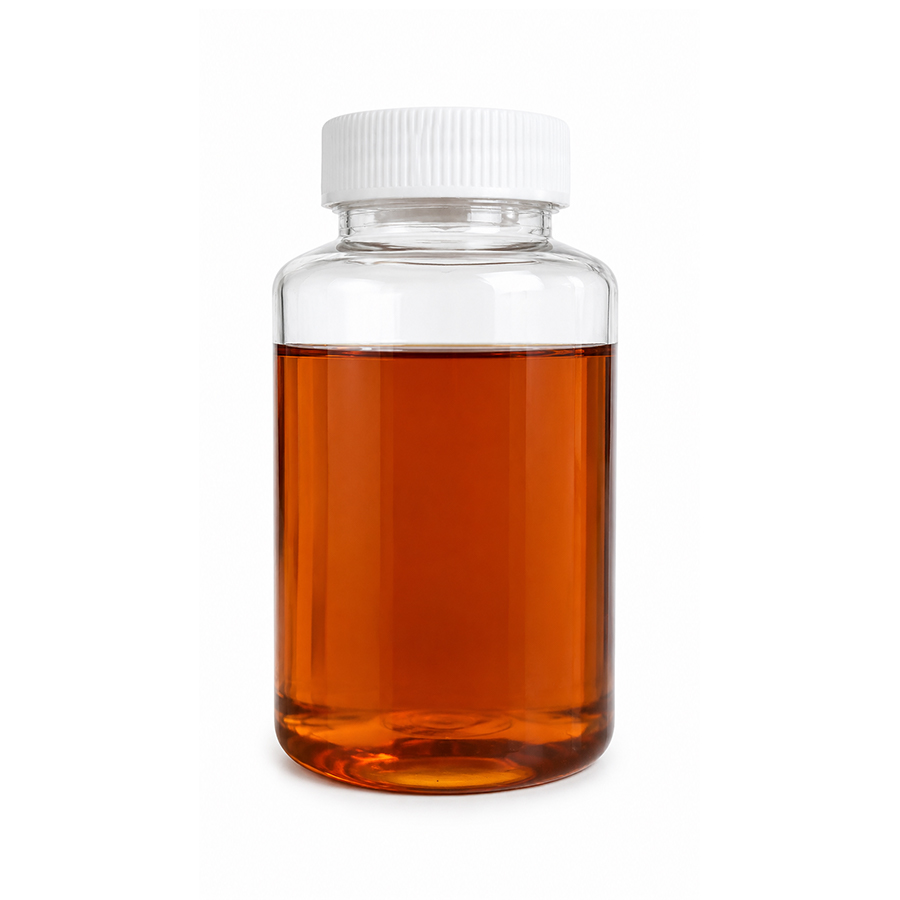
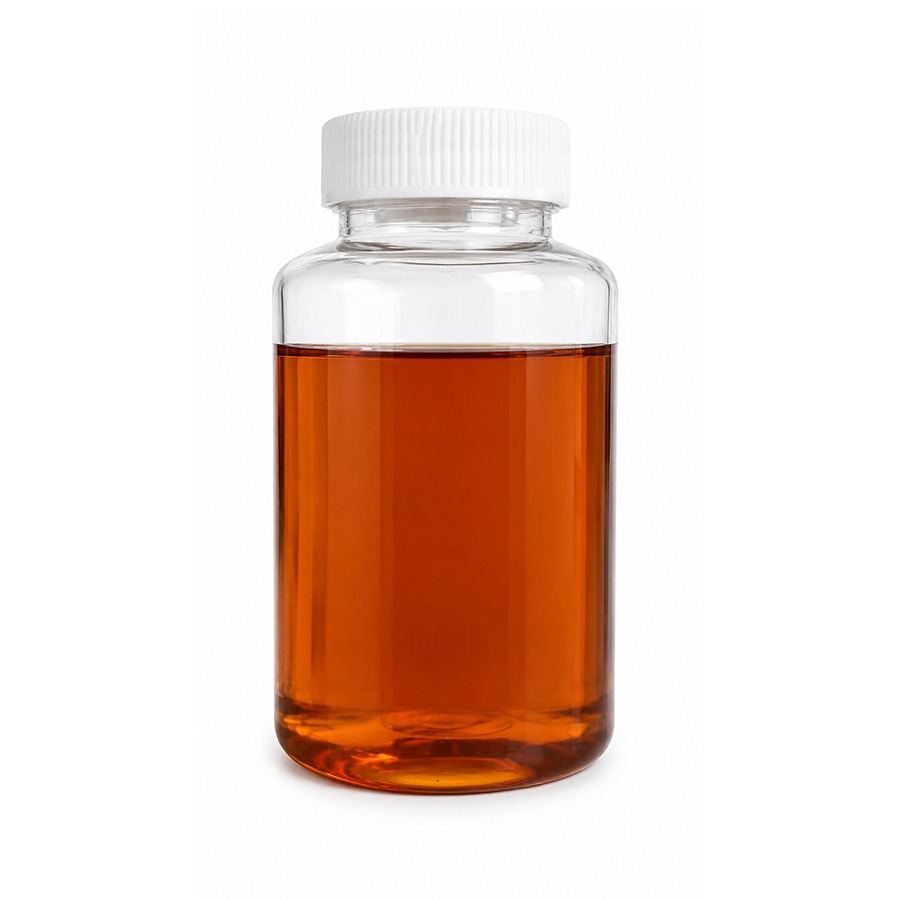

What Are Formaldehyde-Free Fixing Agents and How Do They Improve Textile Color Fastness?
Formaldehyde-Free Fixing Agents are eco-friendly textile finishing auxiliaries designed to improve color fastness without introducing formaldehyde-based chemical components. They are mainly used after textile dyeing processes to enhance the bonding strength between dyes and fibers, reducing color fading, bleeding, and transfer during washing or daily use.
With increasing global requirements for sustainable textile production, manufacturers are moving toward safer and more environmentally responsible finishing solutions. Formaldehyde-Free Fixing Agents help textile producers achieve excellent color retention while supporting compliance with environmental standards and consumer safety requirements.
Why Are Fixing Agents Important in Textile Processing?
During dyeing, some dye molecules remain loosely attached to the fiber surface instead of forming a stable bond with the textile structure. These unfixed dyes can easily migrate during washing, rubbing, or exposure to moisture, causing problems such as color bleeding and reduced product quality.
Fixing agents improve dye-fiber interaction by creating a stronger bonding environment, helping fabrics maintain their original color appearance throughout their service life.
- Improve washing color fastness
- Enhance wet and dry rubbing resistance
- Reduce color migration and staining
- Improve fabric appearance stability
- Extend textile product lifespan
- Support high-quality textile production
How Do Formaldehyde-Free Fixing Agents Work?
Formaldehyde-free fixing agents work by forming a stable connection between dye molecules and fiber surfaces. Unlike traditional fixing systems that may rely on formaldehyde-containing components, these advanced formulations provide effective dye fixation while reducing environmental and safety concerns.
The general working mechanism includes:
- The fixing agent penetrates and interacts with dyed fiber surfaces.
- A protective fixing layer is formed around dye molecules.
- Dye migration during washing and rubbing is reduced.
- Color durability and fabric performance are improved.
The final fixation performance depends on factors such as fiber type, dye structure, processing conditions, and fixing agent formulation.
Benefits of Formaldehyde-Free Fixing Agents
| Performance Feature | Benefits for Textile Manufacturing |
|---|---|
| Formaldehyde-Free Formulation | Supports safer textile production and helps meet environmental requirements. |
| Improved Color Fastness | Reduces fading and improves fabric appearance after washing. |
| Low Color Change | Helps maintain original dye shades after finishing treatment. |
| Excellent Compatibility | Works effectively with different dyeing and finishing processes. |
| Environmental Performance | Supports sustainable textile manufacturing practices. |
Comparison Between Traditional Fixing Agents and Formaldehyde-Free Fixing Agents
| Parameter | Traditional Fixing Agents | Formaldehyde-Free Fixing Agents |
|---|---|---|
| Formulation Characteristics | May contain formaldehyde-related components depending on formulation | Designed without formaldehyde components |
| Environmental Performance | Requires additional attention to chemical compliance | Better aligned with sustainable textile requirements |
| Application Purpose | Improve dye fixation and color durability | Improve dye fixation while reducing environmental concerns |
| Compliance Requirements | May require additional testing for restricted substances | Suitable for manufacturers targeting eco-friendly standards |
Applications of Formaldehyde-Free Fixing Agents
Formaldehyde-free fixing agents are widely used in textile applications where color durability and environmental safety are important.
- Cotton textiles
- Reactive dyed fabrics
- Blended fabrics
- Home textiles
- Garments
- Functional apparel
- Children's textiles
- Environmentally friendly textile products
How to Select the Right Formaldehyde-Free Fixing Agent?
Choosing the appropriate fixing agent requires consideration of fabric characteristics, dye type, processing conditions, and final application requirements.
- Fiber Type: Different fibers require different fixation performance.
- Dye System: Reactive dyes, direct dyes, and other dye systems may require different solutions.
- Color Fastness Requirements: High-performance applications require stronger fixation durability.
- Fabric Hand Feel: The fixing process should maintain desired softness and comfort.
- Environmental Standards: Sustainable formulations help meet international regulations.
- Processing Compatibility: Good compatibility ensures stable production performance.
Environmental Requirements in Modern Textile Finishing
Sustainability has become an important consideration in global textile manufacturing. Textile producers increasingly require chemical solutions that provide reliable performance while reducing environmental impact.
Modern eco-friendly fixing solutions focus on:
- Formaldehyde-free formulations
- APEO-free options
- Compliance with international textile standards
- Reduced chemical impact
- Safer production environments
Why Choose Jiangyin Huanan New Material Technology Co., Ltd.?
Jiangyin Huanan New Material Technology Co., Ltd. was established in 1984 and is located in Jiangyin City, Jiangsu Province, China. The company is a leading manufacturer and supplier of high-performance eco-friendly textile chemicals, textile auxiliaries, and textile printing and dyeing auxiliaries.
The company specializes in the research, development, production, and sales of pre-treatment auxiliaries, post-treatment auxiliaries, and dyeing auxiliaries. With two production plants and an annual production capacity of 60,000 tons, Jiangyin Huanan provides a wide range of textile chemical solutions, including Moisture-Wicking Finishing Agents, High-Concentration Repair Agents (Liquid), Low-Temperature Environmentally Friendly Carriers, Silicone Oil, Silicone Softeners, Antistatic Agents (Cationic & Non-Ionic), Color-Fixing Agents, Stiffening Agents, Down-Proof and Windproof Agents, and Dry and Wet Rubbing Fastness Enhancers.
Jiangyin Huanan is committed to providing quality, consistency, and value through innovative textile chemical solutions. The company offers eco-friendly formulations, including APEO-free and formaldehyde-free options, helping customers comply with international environmental standards such as OEKO-TEX, ISO 14001, and ISO 45001.
Conclusion
Formaldehyde-Free Fixing Agents provide an effective solution for improving textile color fastness while supporting sustainable manufacturing requirements. By enhancing dye fixation, reducing color migration, and maintaining fabric quality, these finishing auxiliaries help textile manufacturers produce safer and more durable products. Selecting the right formulation based on fiber type, dye system, and environmental requirements enables manufacturers to achieve consistent performance and long-term value.
Frequently Asked Questions
1. What Are the Main Benefits of Using Formaldehyde-Free Fixing Agents?
Formaldehyde-Free Fixing Agents help improve textile color fastness, reduce color bleeding, and enhance fabric durability while supporting environmentally responsible production. Jiangyin Huanan New Material Technology Co., Ltd. provides eco-friendly textile chemical solutions designed to help manufacturers achieve reliable dye fixation performance.
2. Does Jiangyin Huanan New Material Technology Co., Ltd. Provide Eco-Friendly Textile Chemicals?
Yes. Jiangyin Huanan New Material Technology Co., Ltd. specializes in eco-friendly textile chemicals and offers APEO-free and formaldehyde-free formulations. The company's products are developed to help textile manufacturers comply with international environmental requirements such as OEKO-TEX, ISO 14001, and ISO 45001.
3. Why Choose Jiangyin Huanan New Material Technology Co., Ltd. for Textile Finishing Solutions?
Established in 1984, Jiangyin Huanan New Material Technology Co., Ltd. has extensive experience in the development and production of textile auxiliaries. With advanced manufacturing facilities, strong R&D capabilities, and an annual production capacity of 60,000 tons, the company provides consistent quality, customized solutions, and professional support for customers worldwide.