


 English
  中文简体
中文简体 

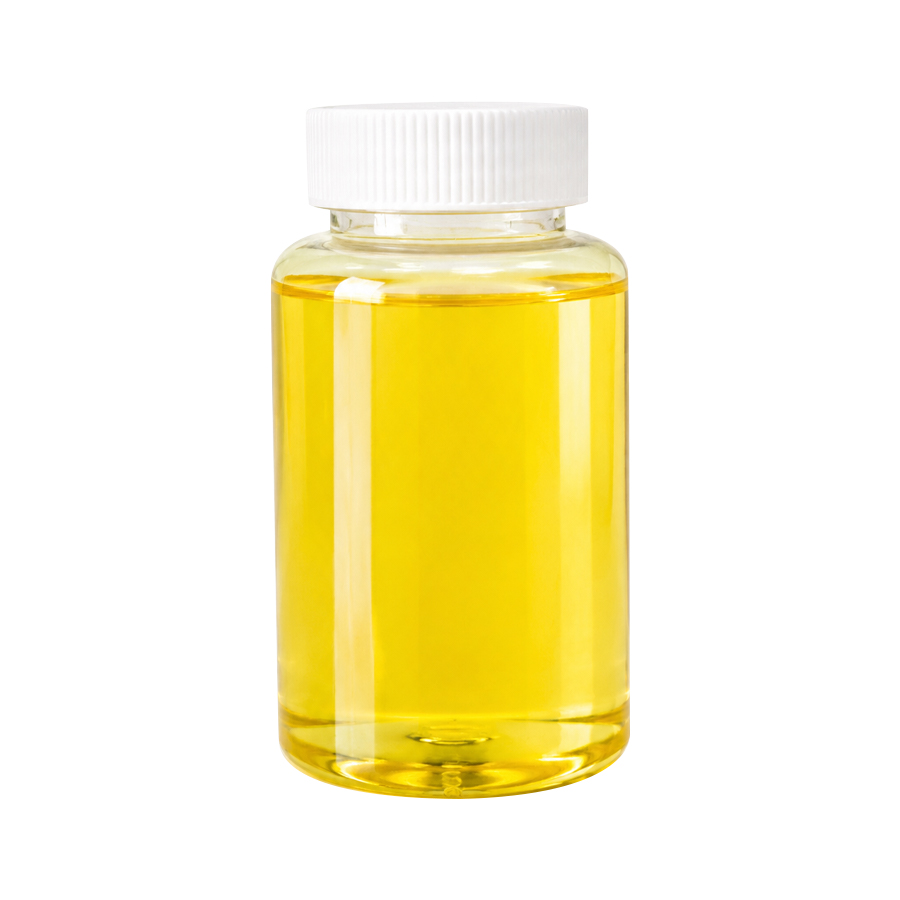

Why are wetting agents important in the textile pre-treatment process?
In textile manufacturing, the pre-treatment stage determines the quality and stability of subsequent dyeing, printing, and finishing operations. Before fibers can absorb dyes evenly, natural impurities, processing residues, and surface barriers must be effectively removed. Wetting agents play a critical role in this process because they reduce surface tension, improve liquid penetration, and help treatment chemicals reach the internal structure of fabrics more efficiently. As one of the essential components of Pre-treatment Auxiliaries, wetting agents create a cleaner and more uniform foundation for high-quality textile processing.
Modern textile production requires solutions that combine efficiency, environmental responsibility, and consistent performance. Jiangyin Huanan New Material Technology Co., Ltd. focuses on developing advanced textile printing and dyeing auxiliaries that support fiber purification and modification before dyeing. Its product range includes desizing agents, scouring agents, oxygen bleach stabilizers, and penetrating agents, providing comprehensive solutions for different fabric preparation requirements. Through professional research and development capabilities, the company helps dyehouses achieve improved processing stability and reduced production defects.
1. Wetting and Penetrating Agents: Improving Chemical Distribution Efficiency
Wetting and penetrating agents are specialized textile chemicals designed to improve the contact between treatment solutions and fabric surfaces. During pre-treatment, many fabrics contain hydrophobic areas, compact structures, or processing oils that prevent rapid absorption. A high-performance wetting agent enables the working solution to spread quickly and penetrate uniformly, allowing other auxiliaries to perform their functions more effectively. In the field of Pre-treatment Auxiliaries, penetrating technology is considered a key factor in achieving consistent fabric preparation.
The main technical advantage of wetting agents is their ability to accelerate moisture transfer and improve the interaction between fibers and processing chemicals. They are widely applied to cotton, polyester, blended fabrics, and other textile materials that require reliable pre-treatment performance. Compared with other auxiliary categories, wetting agents focus more on improving solution accessibility rather than directly removing impurities or stabilizing bleaching reactions.
- Enhances rapid penetration of treatment liquids into textile structures.
- Improves uniformity during desizing, scouring, and bleaching operations.
- Reduces uneven dye absorption caused by insufficient fabric preparation.
- Supports efficient production by shortening processing difficulties.
Jiangyin Huanan New Material Technology Co., Ltd. develops penetrating agents that significantly reduce the surface tension of processing solutions, helping auxiliaries and dyes distribute evenly throughout fabrics. These solutions are designed to provide stable performance while supporting environmentally friendly textile production requirements.
2. Desizing Agents: Removing Size Materials for Cleaner Fibers
Desizing agents are another important category of Pre-treatment Auxiliaries, mainly used to remove starch-based or synthetic sizes applied during yarn production and weaving. These sizing materials protect yarn strength during weaving but become obstacles during dyeing if they remain on the fabric surface. Effective desizing ensures that fibers are fully exposed and prepared for further chemical treatment.
The core function of desizing agents is to efficiently break down and eliminate residual sizing compounds without damaging fiber properties. They are especially important for cotton fabrics and blended materials where uniform dye penetration is required. Compared with wetting agents, desizing agents directly target surface residues, while wetting agents mainly improve the movement and distribution of treatment solutions.
Jiangyin Huanan New Material Technology Co., Ltd. provides textile auxiliary solutions covering different pre-treatment stages. Its desizing agent technology supports fabric preparation by improving cleanliness and ensuring that later processes such as scouring and bleaching can proceed with higher reliability.
| Product Category | Main Function | Typical Application | Key Advantage |
| Wetting and Penetrating Agents | Improve liquid penetration and distribution | Cotton, polyester, blended fabrics | Fast and uniform chemical absorption |
| Desizing Agents | Remove starch and synthetic sizes | Woven fabrics before dyeing | Cleaner fiber surface preparation |
| Scouring Agents | Remove natural oils and impurities | Cotton and synthetic fiber treatment | Improved whiteness and absorbency |
| Oxygen Bleach Stabilizers | Control bleaching reactions | Fabric whitening processes | Maintains fiber strength and whiteness |
3. Scouring Agents: Enhancing Fabric Cleanliness and Absorbency
Scouring agents are designed to remove natural impurities from fibers, including pectin, wax, cotton seed hulls, and processing oils. In textile pre-treatment, scouring is essential because untreated fibers often have poor absorbency and uneven dyeing performance. As a major category of Pre-treatment Auxiliaries, scouring agents provide deep cleaning effects that improve fabric readiness for coloration and finishing.
The technical characteristics of scouring agents include strong emulsification, dispersion, and impurity removal capabilities. For cotton fibers, they help eliminate natural substances that interfere with dye absorption. For synthetic fibers, they assist in removing oil stains and manufacturing residues. Their application improves fabric whiteness, capillary effect, and overall processing consistency.
The difference between scouring agents and wetting agents is their primary purpose. Wetting agents focus on improving penetration, while scouring agents focus on purification. However, both categories work together in practical textile production because efficient cleaning requires sufficient contact between the chemical solution and fiber surface.
- Analyze fabric composition and determine suitable pre-treatment conditions.
- Select suitable auxiliary combinations according to production requirements.
- Conduct laboratory testing before large-scale manufacturing.
- Monitor processing results to maintain consistent fabric quality.
Jiangyin Huanan New Material Technology Co., Ltd. has an in-house laboratory and professional R&D team capable of developing customized formulations for different textile materials. Its integrated production system covers raw material management, standardized manufacturing, and quality inspection, ensuring stable supply of high-performance textile auxiliaries.
4. Oxygen Bleach Stabilizers: Protecting Fibers During Whitening Treatment
Oxygen bleach stabilizers are specialized products used during bleaching processes to regulate bleaching activity and protect textile quality. During oxygen bleaching, uncontrolled reactions may cause fiber damage, strength reduction, or uneven whiteness. These stabilizers help maintain balanced bleaching performance and support reliable fabric preparation.
Within the complete range of Pre-treatment Auxiliaries, oxygen bleach stabilizers provide a different technical function from wetting, desizing, and scouring products. Their focus is not impurity removal but maintaining controlled bleaching conditions. They are especially valuable for fabrics requiring high whiteness standards and stable mechanical properties.
Jiangyin Huanan New Material Technology Co., Ltd. develops environmentally responsible textile chemicals, including formulations designed without APEO and formaldehyde. The company follows strict quality control procedures for raw materials, production processes, and finished products, supporting international environmental compliance requirements.
Why Wetting Agents Are Essential in Modern Textile Production
The importance of wetting agents comes from their ability to connect different stages of textile preparation. Without proper wetting performance, desizing, scouring, and bleaching chemicals may not distribute evenly, leading to inconsistent results. A balanced pre-treatment system improves dye absorption, reduces production defects, and increases first-pass success rates.
Jiangyin Huanan New Material Technology Co., Ltd. combines product innovation with technical service to provide complete textile processing solutions. Its auxiliary series supports purification, modification, and preparation of fibers before dyeing, printing, and finishing operations. Through continuous improvement of formulations and process control, the company helps customers achieve efficient and reliable textile production.
Frequently Asked Questions
Q1: What role do wetting agents play in textile pre-treatment?
Wetting agents improve the penetration and distribution of treatment solutions, allowing other auxiliaries to contact fibers more effectively. They are essential for achieving uniform pre-treatment results before dyeing.
Q2: How are desizing agents different from other Pre-treatment Auxiliaries?
Desizing agents specifically remove sizing materials from fabrics, while other auxiliary categories focus on functions such as cleaning impurities, improving penetration, or controlling bleaching performance.
Q3: Why should textile manufacturers choose integrated auxiliary solutions?
Integrated solutions allow different auxiliary products to work together during pre-treatment, improving processing stability, reducing defects, and supporting consistent dyeing quality.
Q4: What advantages does Jiangyin Huanan New Material Technology Co., Ltd. provide?
Jiangyin Huanan New Material Technology Co., Ltd. offers professional R&D capability, customized formulations, reliable production capacity, and environmentally friendly textile auxiliary solutions for global textile applications.