


 English
  中文简体
中文简体 
Leveling Agent for Polyester Dyeing: Complete Selection and Dosing Guide
Content
- 1 What a Leveling Agent for Polyester Dyeing Does in the Dyebath
- 2 The Thermal Dyeing Curve: Where Unlevel Shades Are Decided
- 3 Selecting a Leveling Agent for Polyester Dyeing: Five Performance Criteria
- 4 Application Parameters: Dosing and Heat-Up for Level Polyester Dyeing
- 5 Repairing Unlevel Polyester Dyeings with a High-Temperature Repair Agent
- 6 Sourcing a Leveling Agent: What the Dye House Should Verify Before Bulk Approval
- 7 Frequently Asked Questions About Leveling Agents for Polyester Dyeing
- 7.1 Can a leveling agent fix a polyester dyeing that is already unlevel?
- 7.2 What is the difference between a dispersing agent and a leveling agent for polyester dyeing?
- 7.3 Does a leveling agent for polyester dyeing reduce color yield?
- 7.4 How should a high-concentration polyester leveling agent be dosed?
Textile dyeing auxiliaries technical reference
A 2,400 kg batch of textured polyester warp knit leaves the jet dyeing machine after a 130°C cycle with darker edges and a pale center. The recipe is correct, pH was checked, and the dye weight record is clean — the only variable that moved was the auxiliary behavior during heat-up. In high-temperature dyeing, the line between a first-quality batch and an internal reject is usually drawn by the leveling agent for polyester dyeing you selected and how it was dosed.
Dye houses have tightened right-first-time targets as energy and rework costs climb, and most now consolidate their auxiliary range around high-efficiency blends that combine dispersing, retarding, and migrating functions. This guide explains how a leveling agent for polyester dyeing behaves in the dyebath, how to evaluate one before bulk purchase, and how to set dosing and repair procedures that keep unlevel batches off your reprocessing list.
What a Leveling Agent for Polyester Dyeing Does in the Dyebath
A leveling agent for polyester dyeing equalizes shade by controlling the rate at which disperse dye leaves the bath and by redistributing dye from saturated zones to paler zones while the fiber is still open at high temperature.
Disperse dyes are nearly insoluble in water; most commercial products show solubility below 30 mg/L at 25°C, so the dye travels through the cycle as a crystalline suspension. Polyester is a highly crystalline fiber with a glass transition near 70–80°C, and dye penetration turns violent above 100°C. If uptake outruns diffusion into the fiber interior, surface dye later fixes in streaks as the bath cools.
Definition A leveling agent for polyester dyeing is a formulated auxiliary, typically a blend of anionic and nonionic surfactants with selected organic esters, that keeps disperse dye in fine dispersion, restrains the dye strike during heat-up, and promotes dye migration in the holding phase.
A high-temperature leveling agent delivers that balance through three mechanisms.
- Dispersion stabilization: surfactant molecules wrap dye crystal surfaces, keeping particle size in the sub-micron range and preventing agglomeration under jet turbulence, shear, and electrolyte load.
- Retardation: the auxiliary forms loose complexes with dye molecules, temporarily lowering active dye concentration during the steepest uptake window between roughly 95°C and 120°C.
- Migration: at 125–130°C, the product weakens dye–fiber bonding enough that dye molecules desorb from heavy areas, travel through the bath, and readsorb on lighter areas, flattening contrast.
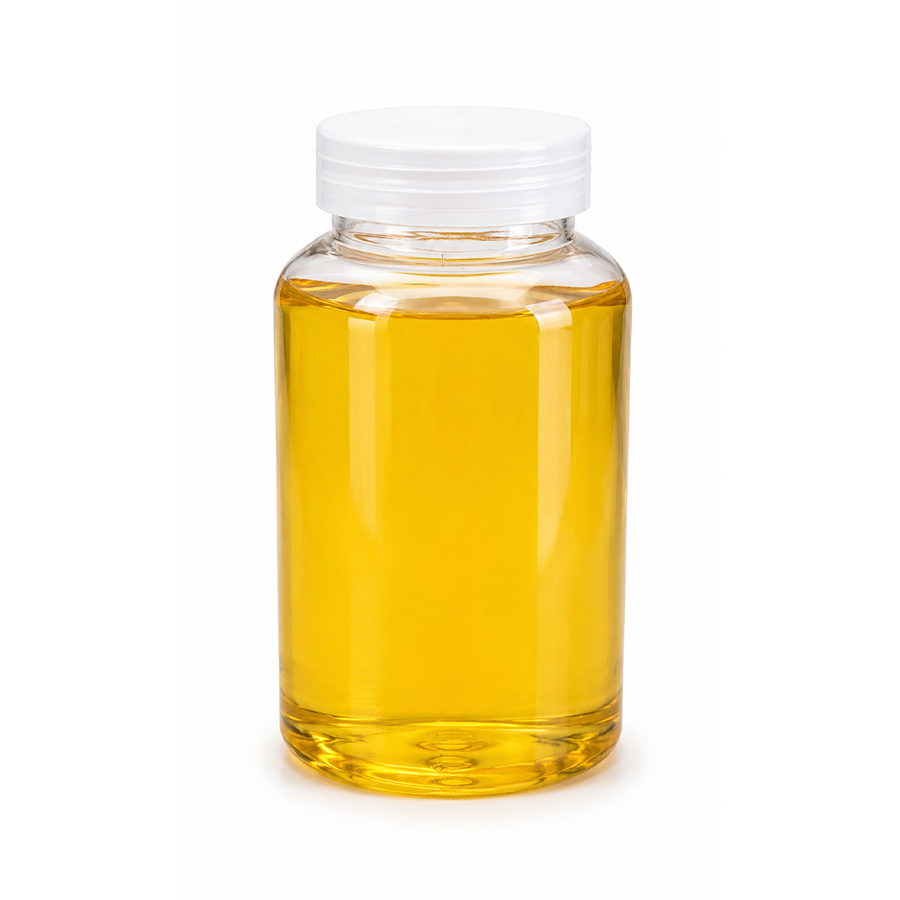
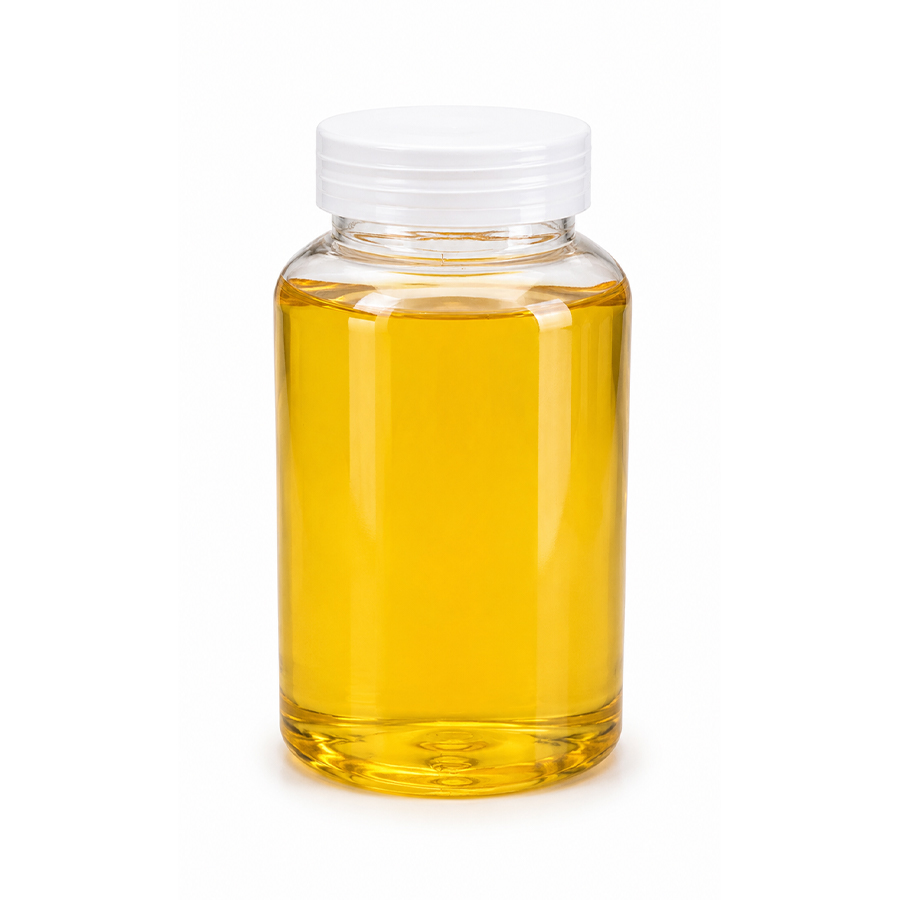
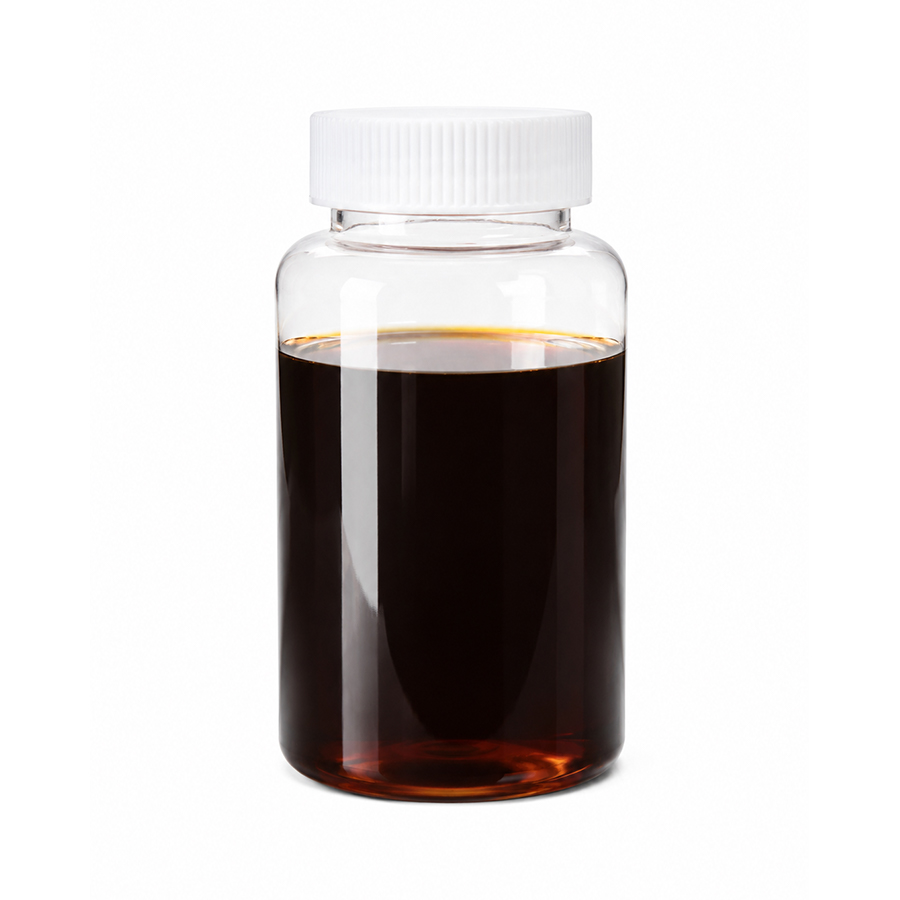
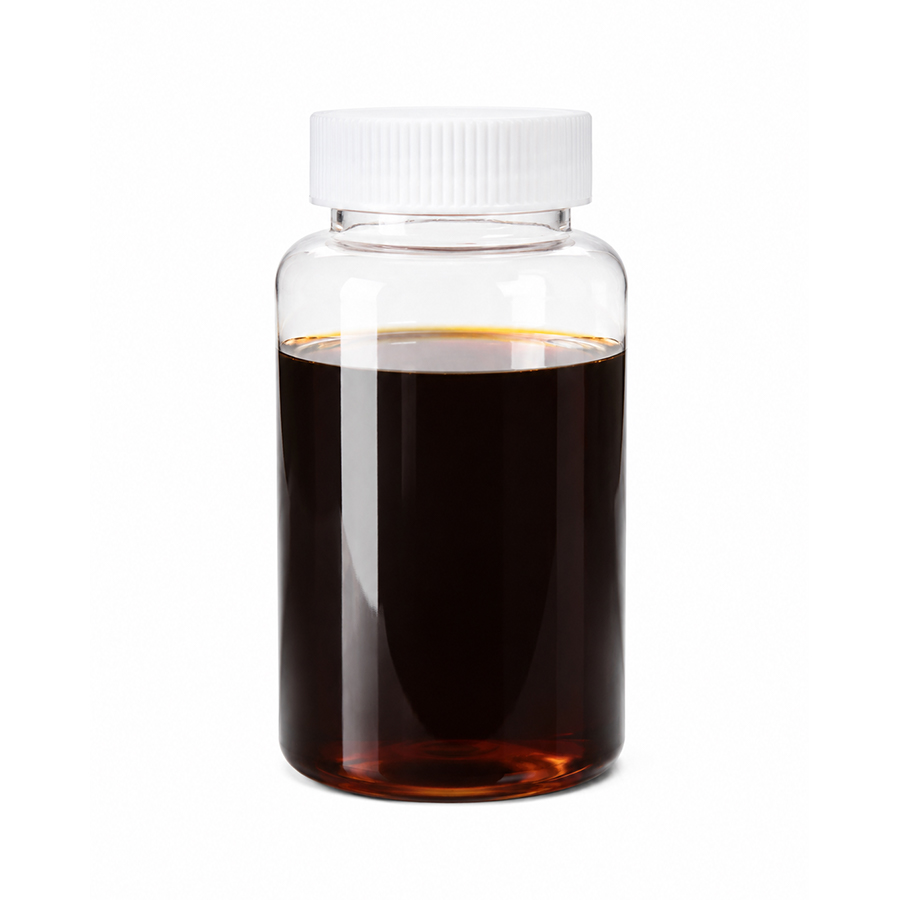 High Concentration High Temperature Leveling Agent HN-F65Our company has developed HN-F65 as a mother liquor of high-temperature leveling agent for disperse dyes, used for high-temperature leveling of polyester.View Product →
The Thermal Dyeing Curve: Where Unlevel Shades Are Decided
The critical control window sits between 90°C and 120°C; in that range, disperse dye exhaustion typically climbs from about 20% to above 80%, and a correctly selected leveling agent flattens that steep rise into a manageable slope.
Below 85°C uptake is slow. Between 100°C and 115°C, fabric edges exposed to faster liquor circulation absorb more dye, and when the bath cools, the dye stays locked in those packed zones, causing listing and ending. The auxiliary holds part of the dye in complexed form during this flood window and releases it gradually, so outer and inner fabric packages see the same effective dye concentration.
Modern high-temperature leveling agents combine both retarding and migrating action in one formula, which is why the market has moved toward concentrated, carrier-free blends.
Retarder-dominant product
Slows the strike hardest in the 95–120°C window. Suits deep shades such as navy, black, and burgundy, where bath hold-up prevents surface saturation and skittery dyeing.
Migration-dominant product
Excels at equalizing contrast during the 130°C holding phase. Suits pale to medium shades and critical flat fabrics where right-first-time depends on dye redistribution.
Selecting a Leveling Agent for Polyester Dyeing: Five Performance Criteria
Judge a leveling agent for polyester dyeing on dispersion stability at 130°C, migration power, foaming behavior, bath compatibility, and batch-to-batch reproducibility, in that order.
| Criterion | What to verify | Failure signal |
| Dispersion stability | Bath clarity and filter residue after 60 min at 130°C | Oily film, coagulum, dye specks on fabric |
| Migration power | Contrast reduction on a deliberately stained swatch after 30 min at 130°C | Stained area persists after treatment |
| Foaming | Foam height in a jet machine at 60°C and during heat-up | Foam overflow, pump pressure drop, listing |
| Bath compatibility | Cloud point above 100°C; stability with acetic acid and carriers | Turbidity, precipitation, phase separation |
| Reproducibility | Three lab dyeings to a standard shade | Color difference values above 0.6 CIELAB units |
When you compare products, ask for the same test protocol you use internally, not the supplier's brochure values. Request a 50 kg trial lot, run it on your most sensitive shade, and keep the retained fabric for the archive. A broader review of carriers, dispersants, and repair products is available in the separate polyester dyeing modifiers guide on this site.
Application Parameters: Dosing and Heat-Up for Level Polyester Dyeing
Dose the leveling agent for polyester dyeing before the dyes at 50–60°C, circulate for a full 10 minutes, and only then add the disperse dye dispersion prepared at 40°C.
- Dosage: 0.5–1.0% owg for pale shades; 1.5–2.0% owg for deep navies, reds, and blacks; on microfiber polyester raise the dose by 30–50% because the specific surface area is much larger.
- pH: 4.5–5.5, set with acetic acid before dye addition; disperse dyes hydrolyze at alkaline pH and shift shade.
- Heat-up: 1.5–2.0°C/min from 60 to 90°C; slow to 0.8–1.0°C/min between 90 and 120°C for critical shades.
- Holding: 130°C for 30–45 min depending on depth; do not shorten below 30 min if migration is counted on to equalize the shade.
The sequence below reflects the standard high-temperature procedure used in jet and overflow machines.
- Set the bath at 50–60°C with acetic acid, buffer, and leveling agent; run 10 min to homogenize.
- Add disperse dye dispersion; run 5–10 min before closing the machine.
- Heat at 1.5°C/min to 90°C, then 1.0°C/min to 130°C.
- Hold 30–45 min; take a drain sample only after cooling to 85°C.
- Cool to 80°C and drop; run reduction clearing with caustic and hydrosulfite for deep shades.
For microfiber and high-surface-area polyester fabrics, use a leveling agent formulated for microfiber; those fabrics require higher auxiliary doses and a slower window because dye uptake per unit mass is higher.
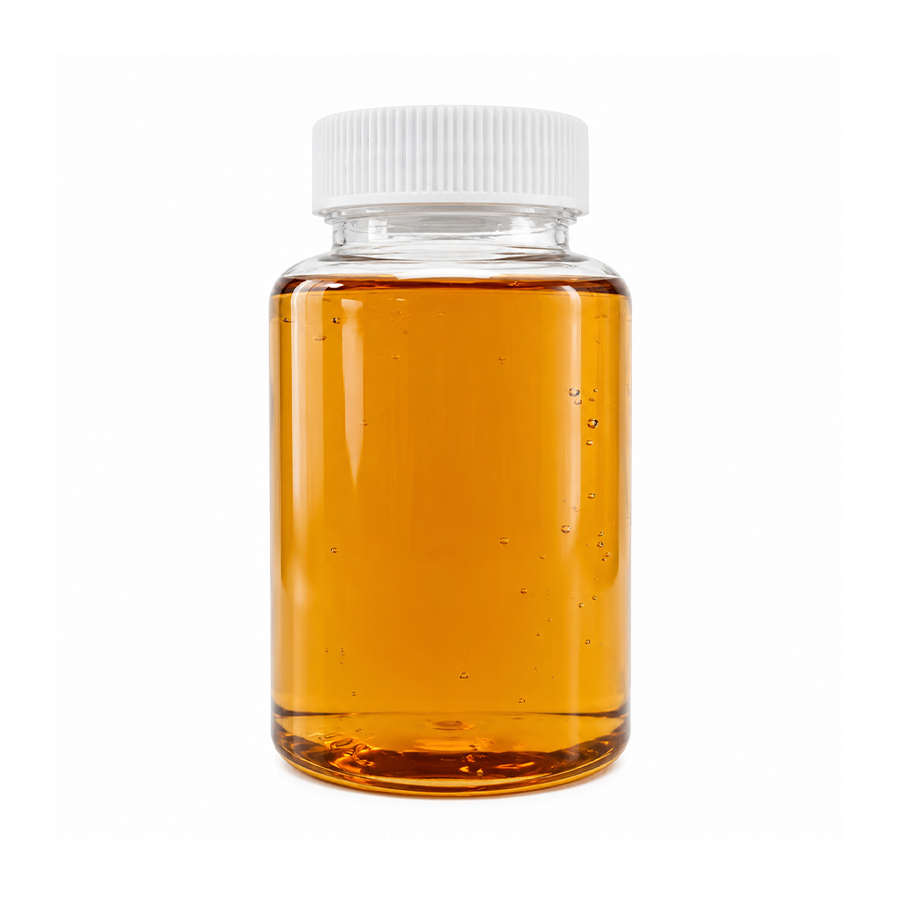
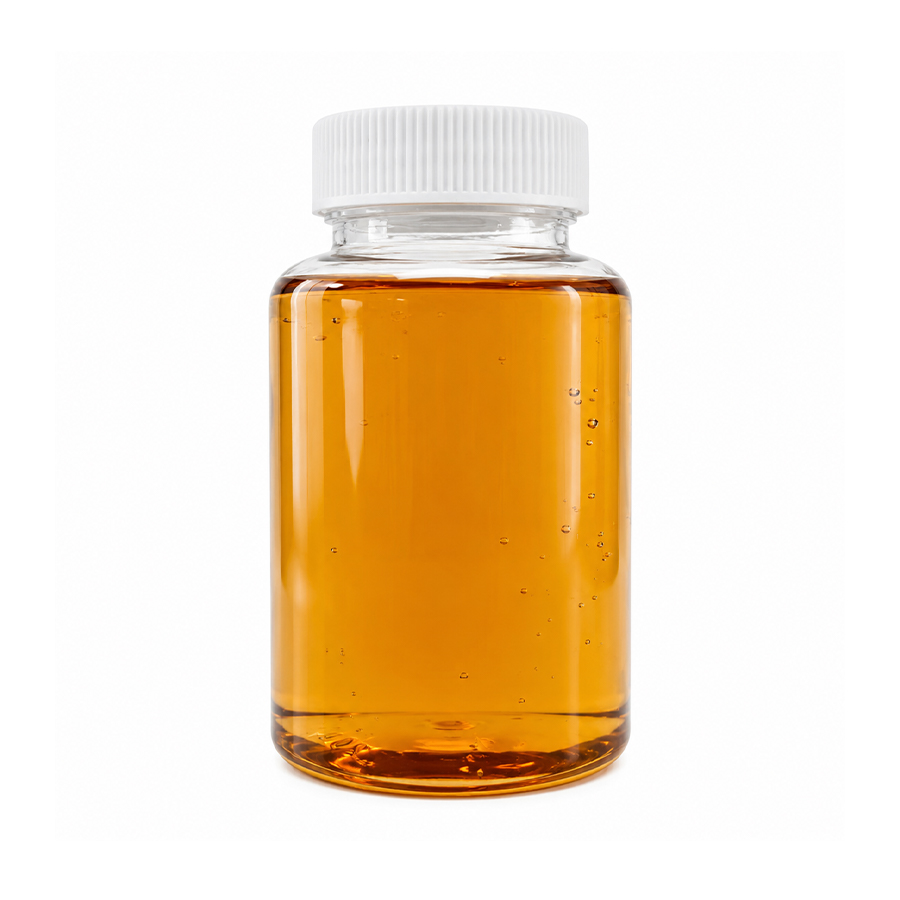 Microfiber Leveling Agent HN-CXTechnical SpecificationsView Product →
Repairing Unlevel Polyester Dyeings with a High-Temperature Repair Agent
Most unlevel polyester dyeings caused by heat-up variation or dye strike can be corrected by re-running the batch at 130°C with 1–2% owg of a high-temperature repair agent and 0.5–1.0 g/L acetic acid, holding for 30–60 minutes, and cooling slowly.
Repair agents are close relatives of leveling agents but formulated with higher migrating power. At 130°C they loosen the dye–fiber bond, pull dye from saturated areas into the bath, and allow it to readsorb on paler zones. The process does not strip shade depth; it redistributes dye.
If the unlevelness is severe, split the redistribution into two shorter cycles rather than one long holding period, and check the fabric after each cycle. If shades are still too deep or too pale, combine the repair route with shade adjustment, which requires a careful dispersion stability check of the added dye.
Products in this function class are listed among the high-temperature stable dyeing auxiliaries on this site.
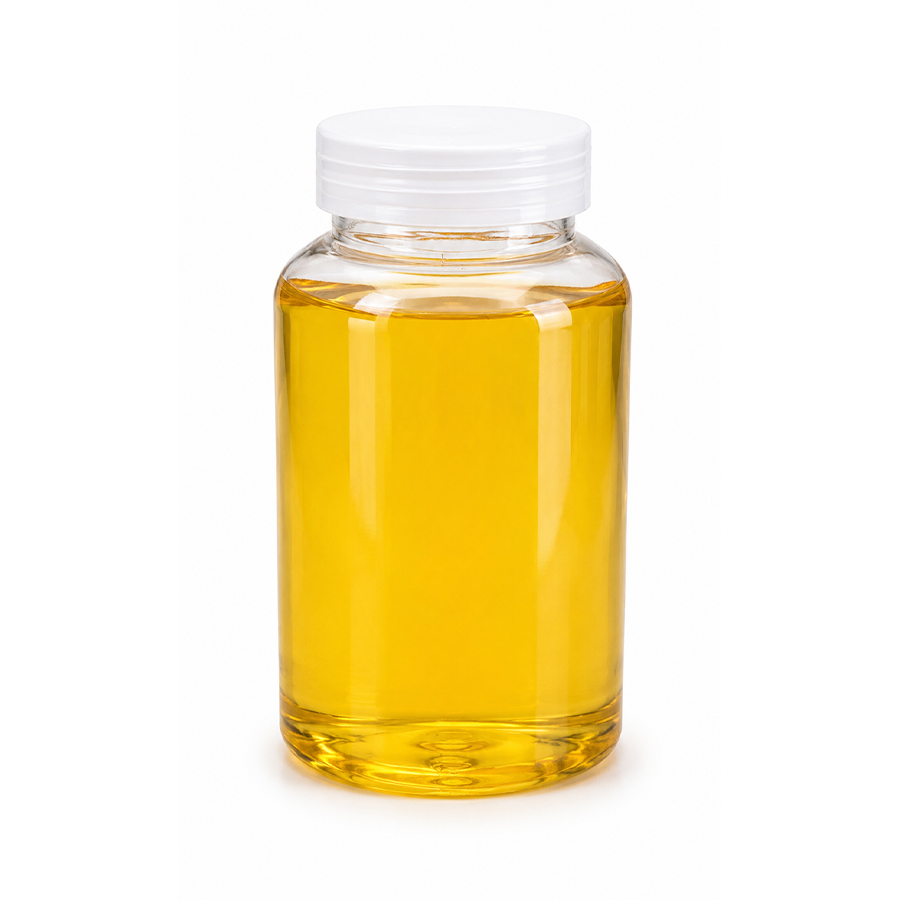
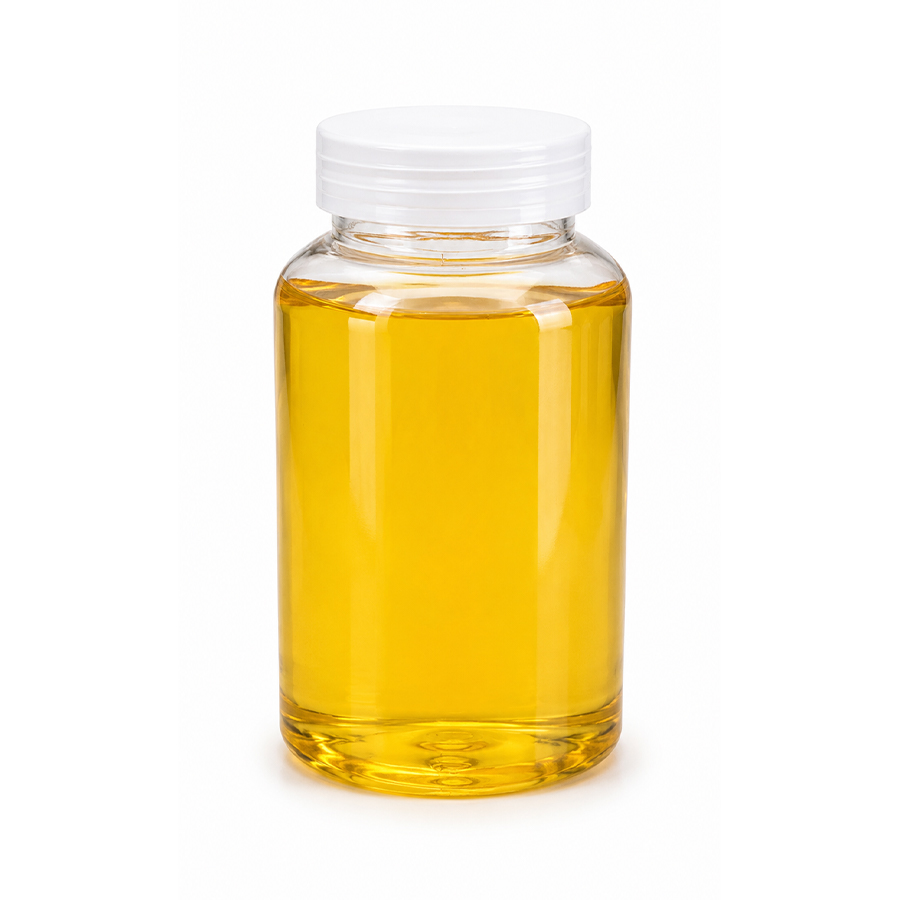 High-Concentration Polyester Repair Agent RY-1300Polyester Repair Agent is a dyeing auxiliary with excellent retarding and leveling properties for disperse dyes. RY-1300 has excellent dispersing properties, evenly di...View Product →
Sourcing a Leveling Agent: What the Dye House Should Verify Before Bulk Approval
Verify active content, foam, cloud point, and consistency across three delivery batches before you approve any leveling agent for polyester dyeing in bulk.
High-concentration products are sold to be diluted on site, which cuts freight and storage costs but shifts dilution duty to your preparation room. Check the supplier's recommended dilution ratio and confirm that the diluted product stays stable for at least 24 hours under your water hardness. Confirm the product is free from APEO and formaldehyde if your customer compliance scheme requires it, and request the current SDS and heavy-metal declaration. Suppliers with their own manufacturing base, such as Jiangyin Huanan New Materials Technology Co., Ltd., which has produced textile dyeing and finishing auxiliaries since 1984 and supplies 60,000 metric tons per year from two plants, can document the chain from raw material to finished batch — that matters when you audit a new source.
- Run a 100 kg pilot batch on a critical shade before the first container order.
- Retain a sealed reference sample from every delivery for the complaint archive.
- Agree on cloud point and foam test methods in writing so supplier and dye house measure the same number.
Frequently Asked Questions About Leveling Agents for Polyester Dyeing
Can a leveling agent fix a polyester dyeing that is already unlevel?
Yes, when the cause is uneven heat-up or dye strike. Re-running the batch at 130°C with a high-temperature repair agent at 1–2% owg promotes dye migration from heavy areas to pale areas. Defects caused by poor scouring, preparation faults, or machine tangles will not be corrected by the auxiliary alone.
What is the difference between a dispersing agent and a leveling agent for polyester dyeing?
A dispersing agent only keeps dye particles finely divided and stable in the bath. A leveling agent performs the same dispersion job and additionally retards dye strike during heat-up and drives dye migration at the holding temperature, which is why the two products are not interchangeable.
Does a leveling agent for polyester dyeing reduce color yield?
At the correct dose, no. The retardation effect is temporary; dye held back in the bath is absorbed during the 130°C holding phase, and final exhaustion with a well-formulated product stays above 90% for most disperse dyes. Overdosing above 2.5% owg can leave dye unexhausted and shift the shade.
How should a high-concentration polyester leveling agent be dosed?
Dose by active content, not by product weight. If the supplier sells a 2x concentrate, halve the weight-based dose; prepare a 10% or 20% stock dilution for accurate addition on small machines, and recalibrate after each delivery because concentration can vary slightly between batches.

Contact us
huanannewmaterials@gmail.com
-
 Phone: +86 - 13861620767
-
 Fax: +86-0510-86200939
-
 298 Hongxing Road, Huashi Town, Jiangyin City, Wuxi City, Jiangsu Province, China
Product links
Mobile App
Copyright © Jiangyin Huanan New Materials Technology Co., Ltd. All Rights Reserved

-
huanannewmaterials@gmail.com
-

-

-
+86 - 13861620767