


 English
  中文简体
中文简体 
Levelling Agents: How They Work, Types, and Selection for Textile Dyeing
Content
- 1 What a Levelling Agent Actually Does in the Dye Bath
- 2 Matching Levelling Agents to Fiber and Dye Chemistry
- 3 Wool Levelling Agents: Why Wool Needs Its Own Rules
- 4 Reading the Dye Uptake Curve to Diagnose Problems
- 5 Dosing Errors: Too Little Agent vs Too Much Agent
- 6 A Four-Step Lab Evaluation Before Production Runs
- 7 When a Batch Comes Out Unlevel: Repair Before You Strip
- 8 Choosing a Manufacturing Partner for Dye Auxiliaries
- 9 Levelling Agent FAQ
A polyester knit that strikes too fast between 90 and 110 degrees C on the way up to a 135 degrees C disperse cycle rarely finishes the day just slightly off shade. It finishes patchy, darker at the edges, and scheduled for a re-dye that costs four to six hours of machine time. The bath additives that prevent exactly this failure are levelling agents.
Getting levelling agents right is a production economics decision, not a lab luxury. An agent that retards too little leaves unlevelness; one that retards too much suppresses exhaustion, wastes dye, and drags fastness down. This guide covers the mechanism, fiber-by-fiber selection, uptake curves, dosing discipline, and batch recovery.
Levelness is decided in the first 30 to 40 minutes of the dye cycle. Everything after that is correction, and correction always costs more than control.
What a Levelling Agent Actually Does in the Dye Bath
A levelling agent has two jobs in the bath: slow the initial strike of dye onto the fiber, then keep that dye mobile enough to migrate until the shade is even across the fabric and repeatable between lots.
Key definition
A levelling agent is a surface-active or polymeric dye bath additive that slows the rate of dye exhaustion early in the cycle and promotes dye migration during the hold, producing a uniform, repeatable shade.
In practice, retarding action comes from three mechanisms, and most commercial products blend them:
- Complex formation. The agent loosely binds dye molecules in solution and releases them gradually as temperature rises.
- Site competition. The agent temporarily occupies fiber sites where strike would be fastest, evening out uptake.
- Migration support. During the hold, the agent keeps dye exchangeable so heavily dyed areas feed lighter ones.
Do not confuse the role with a dispersing agent, which keeps dye particles suspended in water. Disperse dye recipes normally need both, and their compatibility at 130 degrees C decides whether the recipe survives a full cycle.
Matching Levelling Agents to Fiber and Dye Chemistry
There is no universal levelling agent. The chemistry must survive the temperature curve, tolerate the salt and pH of the system, and suit how the dye class bonds to the fiber. The table below is the shortlist most dye houses work from.
| Fiber and dye system | Typical agent chemistry | Standard conditions | Main mismatch risk |
| Polyester, disperse dyes | HT-stable nonionic and anionic EO-PO blends | 130-135 degrees C, jet or beam | Breakdown, stains, foam |
| Wool, acid and reactive dyes | Amphoteric or weakly cationic grades | 85-98 degrees C, pH 4.5 to 6 | Over-retardation, shallow shade |
| Nylon, acid dyes | Amphoteric barre-covering agents | Near boil, controlled pH | Poor barre coverage |
| Acrylic, cationic dyes | Cationic retarders | 85-100 degrees C, slow ramps | Precipitation with the dye |
| Cotton, reactive dyes | Salt-tolerant nonionic and polyacrylate blends | 60 degrees C, high electrolyte | The agent crashes in brine |
Microfiber is the classic trap. Its surface area is several times that of standard polyester, so strike is faster and the working dose usually has to rise. Ultra-fine denier also magnifies any compatibility weakness in the recipe.
Match the agent to the dye class first, the fiber second, and the machine profile third. In that order, most unlevelness never forms.
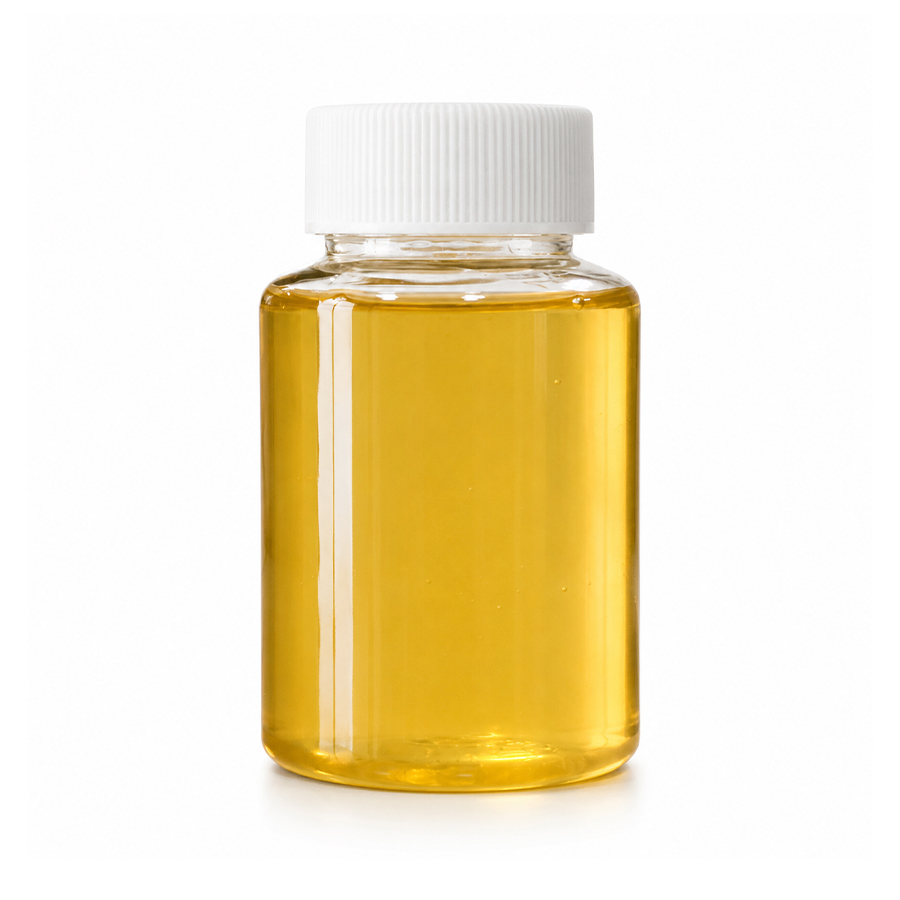
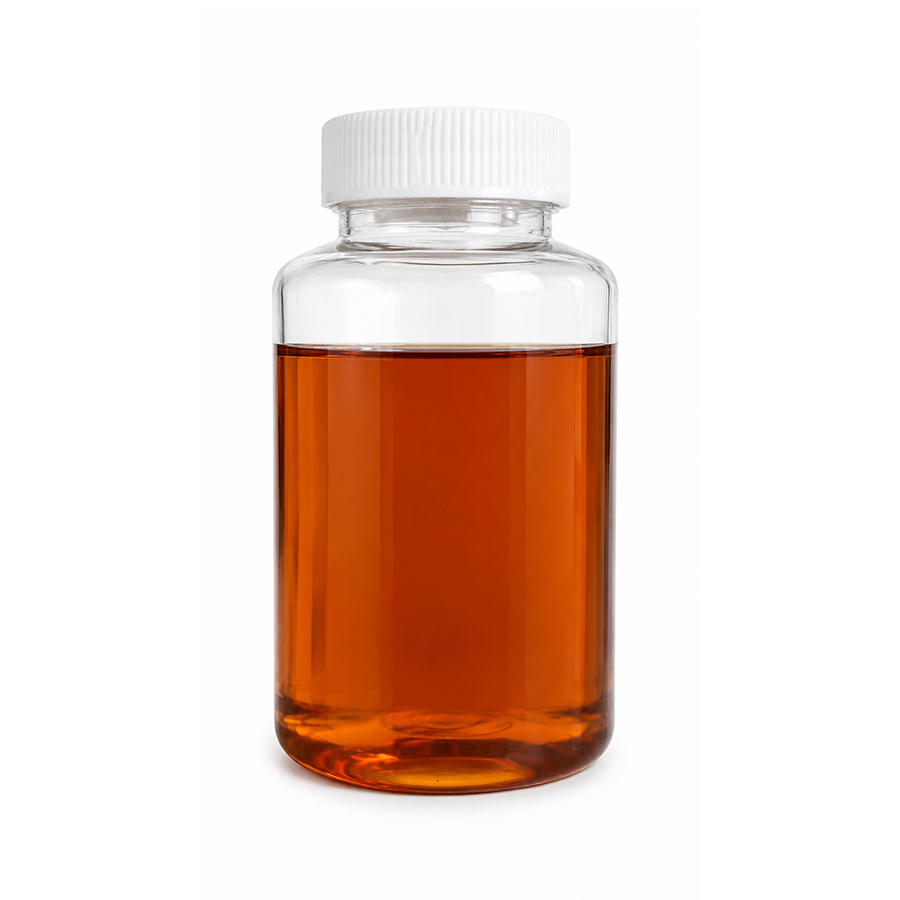
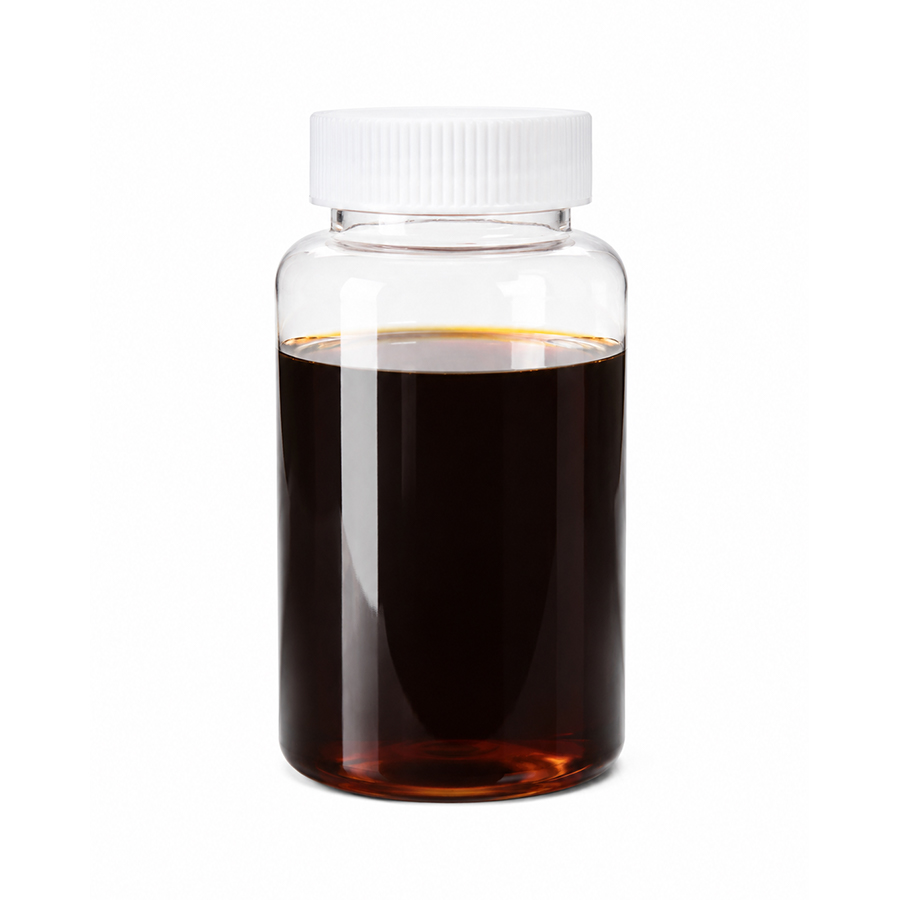 High Concentration High Temperature Leveling Agent HN-F65Our company has developed HN-F65 as a mother liquor of high-temperature leveling agent for disperse dyes, used for high-temperature leveling of polyester.View Product →
Wool Levelling Agents: Why Wool Needs Its Own Rules
Wool needs a slower, gentler leveling profile than synthetics because its scale structure takes dye unevenly and is easily damaged by heat, aggressive pH, and long cycles.
Reactive and acid dyes exhaust at moderate temperatures, and barre from fiber variation shows up during the first heating stage. Dedicated wool levelling agents retard uptake without strangling final exhaustion, tolerate the mildly acidic bath, and stay low-foam through simmering; a polyester HT grade rarely transfers unchanged.
Field note
In wool dyeing the agent does fiber protection and levelness control at once. If the recipe is gentle but the shade comes up shallow, the agent is over-retarding.
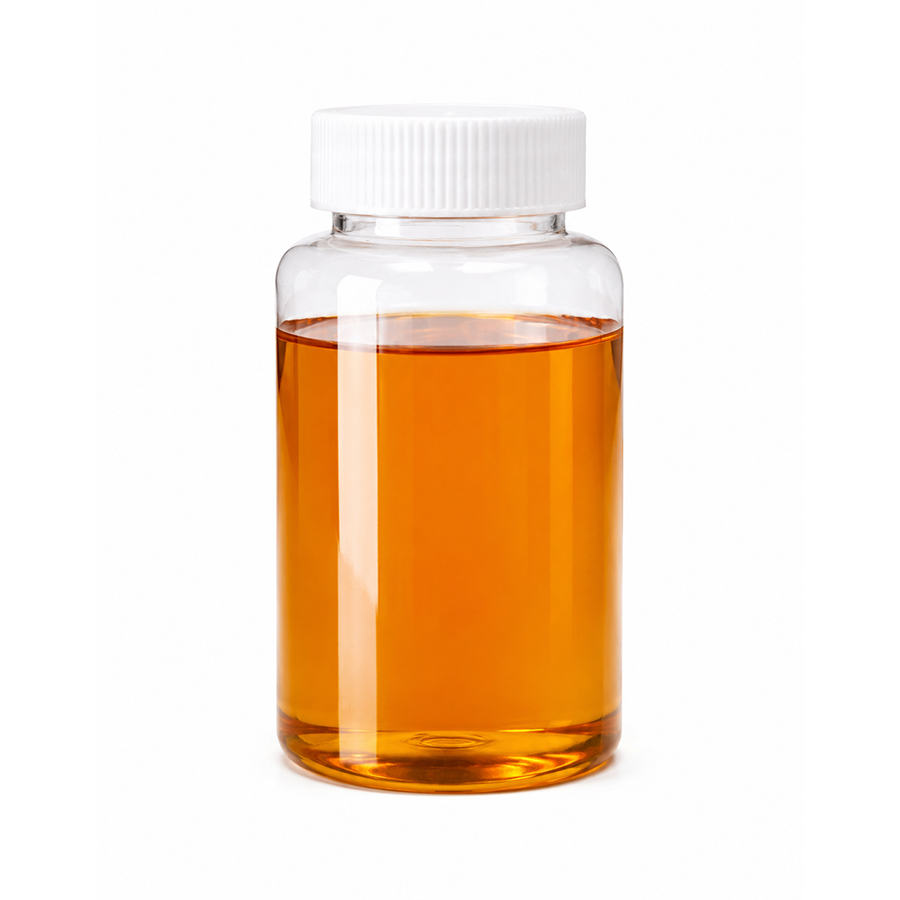
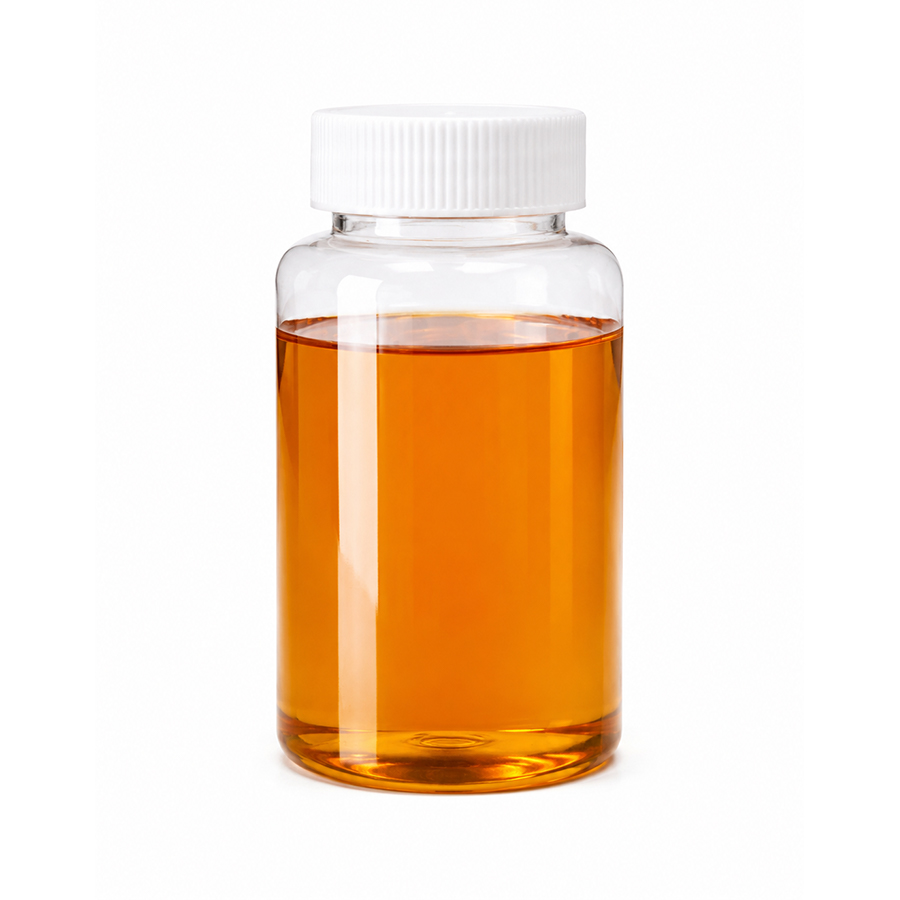 High Concentration Wool Leveling AgentThis product has excellent leveling and migration properties for acid dyes, resulting in uniform, bright colors with good color fastness, and does not cause shade change.View Product →
Reading the Dye Uptake Curve to Diagnose Problems
The fastest diagnostic for a leveling problem is a plot of dye exhaustion against time. A recipe without effective retardation climbs steeply through the 90 to 110 degrees C window and flattens early, while a well-retarded recipe climbs steadily and reaches similar or better final exhaustion.
Illustrative disperse dye exhaustion curves at 135 degrees C, with and without a levelling agent
The gap between the two curves is the retardation window. If a candidate cannot widen that window in a lab beaker at your liquor ratio and water hardness, it will not do it in a jet.
Dosing Errors: Too Little Agent vs Too Much Agent
Both dosing errors cost money; they just pay out in different currencies, one in re-dyes and the other in pale shades and fastness claims.
Too little agent
- Rapid strike at 90 to 110 degrees C
- Patchy shade and listing
- Repeat repair cycles
- Lot-to-lot shade drift
Too much agent
- Lower final exhaustion and shallow depth
- Foam at jet liquor speeds
- Thermomigration risk for disperse dyes
- Wasted cost on every batch
Follow the supplier's technical data sheet, verify with a lab dip at your actual water and liquor ratio, and lock a tolerance band before scaling up.
A Four-Step Lab Evaluation Before Production Runs
A structured four-step evaluation separates products that look good on paper from products that survive your machine, your water, and your dye lots.
- Run a paired lab dip. Same dye lot, same water, same liquor ratio, current agent against the candidate.
- Log uptake, not just final shade. Record exhaustion at 15, 30, and 45 minutes to see the retardation window.
- Stress the recipe. Check compatibility with your dispersant at temperature, and watch foam at production speeds.
- Audit the full cycle. Fastness, hand, and reproducibility across three batches, then freeze the dose and its tolerance.
Scaling tip
Write the tolerance into the recipe card, for example dose plus or minus 5 percent. Uncontrolled dosing drift is one of the most common sources of lot-to-lot shade variation.
When a Batch Comes Out Unlevel: Repair Before You Strip
A migration repair under heat is almost always cheaper than stripping. On polyester, the standard recovery re-baths at 130 to 135 degrees C with a dedicated repair agent and holds for 30 to 60 minutes so dye can redistribute from dense areas into light ones.
Stripping stays the last resort. It doubles machine time, stresses the fiber, and still may not recover the original depth.
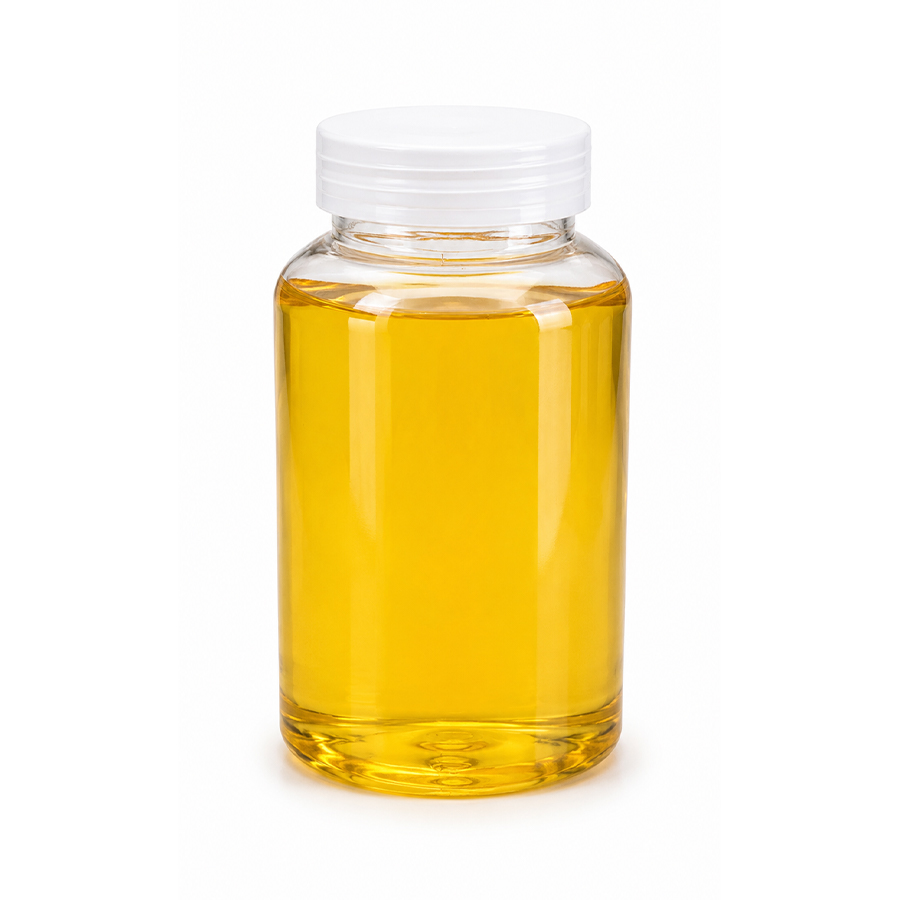 High-Concentration Polyester Repair Agent RY-1300Polyester Repair Agent is a dyeing auxiliary with excellent retarding and leveling properties for disperse dyes. RY-1300 has excellent dispersing properties, evenly di...View Product →
Choosing a Manufacturing Partner for Dye Auxiliaries
Sourcing discipline matters as much as chemistry. Jiangyin Huanan New Materials Technology Co., Ltd., a textile dyeing auxiliary manufacturer founded in 1984 in Jiangyin, Jiangsu Province, states an annual capacity of 60,000 tons across two plants. Its dyeing range covers high-temperature and fiber-specific levelling agents, repairing agents, and formaldehyde-free fixing agents, with APEO-free and formaldehyde-free formulations positioned to support customers working toward OEKO-TEX, ISO 14001, and ISO 45001 compliance.
Whatever the supplier, ask for high-temperature stability data, compatibility charts, and lot consistency records before approving a grade.
Levelling Agent FAQ
What is the difference between a levelling agent and a dispersing agent?
A dispersing agent keeps dye particles suspended and evenly distributed in the bath; a levelling agent controls the rate at which dye exhausts and migrates onto the fiber. Disperse dye recipes normally need both, and the pair must stay compatible at dyeing temperature.
How much levelling agent should I add?
Start from the supplier's technical data sheet: HT polyester recipes commonly run around 0.5 to 2 g/L, while wool recipes are often dosed at 1 to 2 percent on weight of fiber. Adjust for depth of shade, liquor ratio, and water hardness, then confirm with a lab dip.
Can a levelling agent rescue a batch that is already unlevel?
A migration-type repair agent used at full dyeing temperature can redistribute dye on polyester in 30 to 60 minutes. Severely unlevel or surface-skinned dyeings may still need stripping, but a hot repair is the first option to try.
Do levelling agents affect wash and rub fastness?
They can. Over-dosing lowers final exhaustion and leaves more surface dye, and some grades promote thermomigration of disperse dyes during high-temperature finishing, which reduces fastness. Choose high-temperature-stable, low-foam grades and audit fastness during evaluation.
For recipe-specific dosing and fiber-specific grades, work from supplier data sheets and your own lab dips rather than generic charts.

Contact us
huanannewmaterials@gmail.com
-
 Phone: +86 - 13861620767
-
 Fax: +86-0510-86200939
-
 298 Hongxing Road, Huashi Town, Jiangyin City, Wuxi City, Jiangsu Province, China
Product links
Mobile App
Copyright © Jiangyin Huanan New Materials Technology Co., Ltd. All Rights Reserved

-
huanannewmaterials@gmail.com
-

-

-
+86 - 13861620767