


 English
  中文简体
中文简体 
Textile Dispersing Agent Guide: How It Works and What to Test Before Buying
Content
- 1 What a Textile Dispersing Agent Does Inside the Dye Bath
- 2 Dispersing Agent vs Leveling Agent: Two Different Jobs in One Bath
- 3 Five Production Faults That Trace Back to Failed Dispersion
- 4 Matching Dispersant Chemistry to Fiber, Dye and Machine
- 5 How Much Dispersant Already Ships Inside a Bag of Dye
- 6 How to Test a Textile Dispersing Agent Before a Bulk Order
- 7 Frequently Asked Questions About Textile Dispersing Agents
Inside a polyester jet machine running at 135 degrees C, a disperse dye exists as millions of particles finer than two microns, and every one of them is trying to clump with its neighbors. Whether the fabric comes out level or covered in specks often depends less on the dye itself than on the textile dispersing agent holding those particles apart.
That makes the dispersant one of the quietest failure points in a dye house budget. The sections below explain what a dispersing agent actually does, how it differs from a leveling agent, which chemistry families suit which fiber, and the four tests worth running before you sign a bulk order.
What a Textile Dispersing Agent Does Inside the Dye Bath
A textile dispersing agent keeps insoluble dye particles evenly suspended in water and prevents them from rejoining during grinding, storage, dilution, heating and dyeing. Disperse dyes, vat dyes and many pigments barely dissolve at all, so a dyebath is really a suspension, and the dispersant is what stops that suspension from collapsing.
Definition
A textile dispersing agent is a surfactant or water-soluble polymer that adsorbs onto the surface of insoluble dye particles, builds electrostatic and steric barriers around them, and keeps them uniformly suspended in water throughout processing.
Three jobs the molecule has to do
- De-agglomeration. During milling it wets and separates dye clumps so mechanical energy can crush them; published Chinese patent literature on textile dispersants describes additions of one to three times the dye weight for exactly this step.
- Stabilization. Anionic groups give every particle the same surface charge while polymer chains add steric bulk, so particles push each other away instead of fusing back together.
- Heat protection. The barrier must survive dyeing temperature, because a dispersant that desorbs at 130 degrees C lets crystals grow and specks form within minutes.
Lose any of the three and the symptom is never labeled as a chemical failure: it shows up as filtration residue, dull shade and unrepeatable lots.
Dispersing Agent vs Leveling Agent: Two Different Jobs in One Bath
Dispersing agents and leveling agents are not interchangeable, even when both are anionic surfactants. A dispersant manages particle-to-particle behavior in the liquid phase; a leveling agent manages dye-to-fiber behavior at the fiber surface.
Dispersing agent
- Works on dye particles in the bath
- Prevents aggregation and crystal growth
- Present from the grind through the dyebath
- Judged by heat stability and filter residue
Leveling agent
- Works on dye uptake at the fiber
- Slows initial strike, promotes migration
- Dosed in the dyebath itself
- Judged by levelness and lot-to-lot shade
The two roles overlap: at higher doses a strong anionic dispersant complexes with disperse dye and slows uptake, which is why some products are sold as combined dispersing and leveling agents. Where strike control dominates, dedicated chemistry still wins; on wool, for example, our guide to wool leveling agents explains why fiber affinity needs its own tool.
Five Production Faults That Trace Back to Failed Dispersion
Most dispersion defects are diagnosed late because they imitate dye or machine problems. In practice, five faults come back to dispersion more often than to any other cause.
- Specks and dark spots: particles that grew during dyeing land on the fabric and survive washing.
- Shade drift and lot variation: crystal growth changes the hue the dyestuff delivers from batch to batch.
- Machine fouling: tar-like deposits build on heat exchangers and guide rollers, then transfer back as stains.
- Weak rubbing and washing fastness: redeposited dye sits on the fiber surface instead of inside it.
- Filter blockage: a coarse dispersion clogs filter packages in jet and beam machines and forces mid-cycle stops.
Deposits and unfixed surface dye after polyester dyeing are handled in the clearing step. Alkaline reduction clearing works, but acid reduction-clearing powders run under milder conditions and cut water and time on deep shades; our acid reduction cleaning powder HN200 is applied at this stage after disperse dyeing.
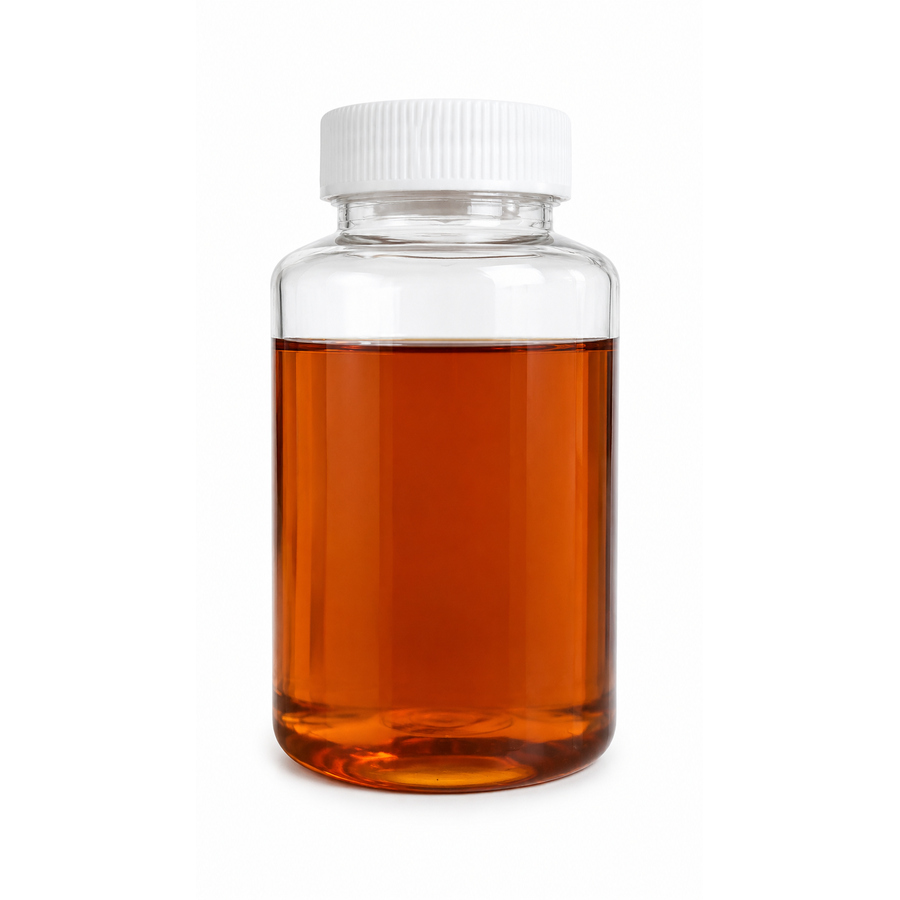
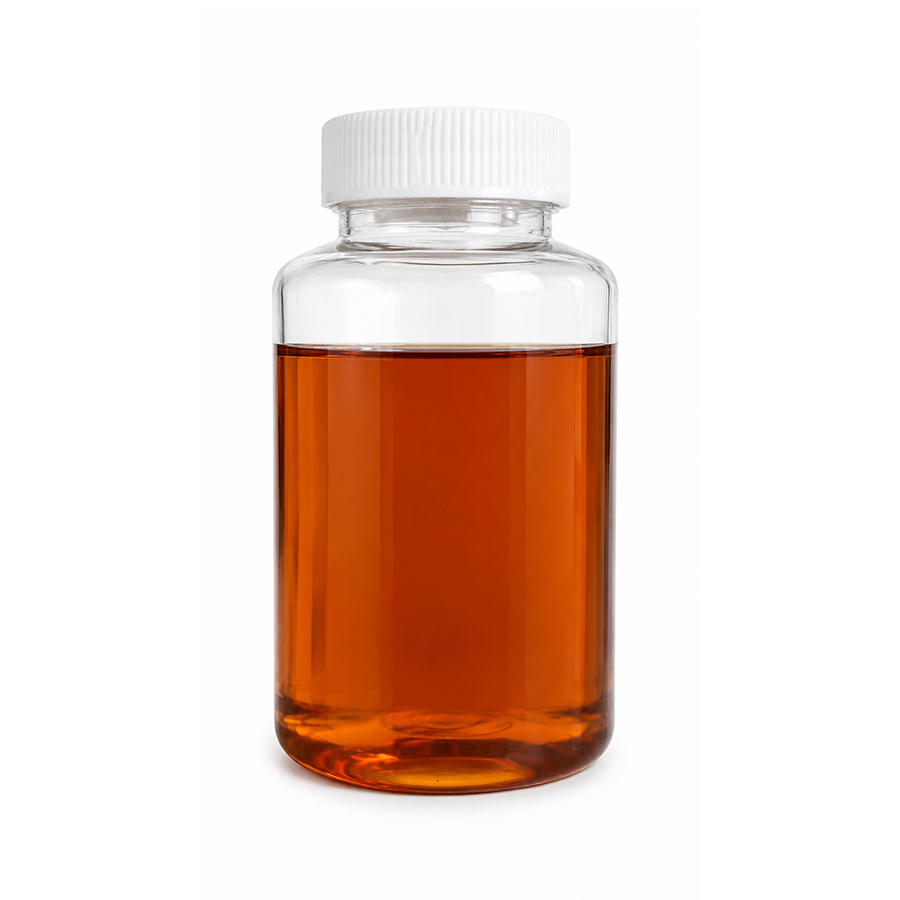
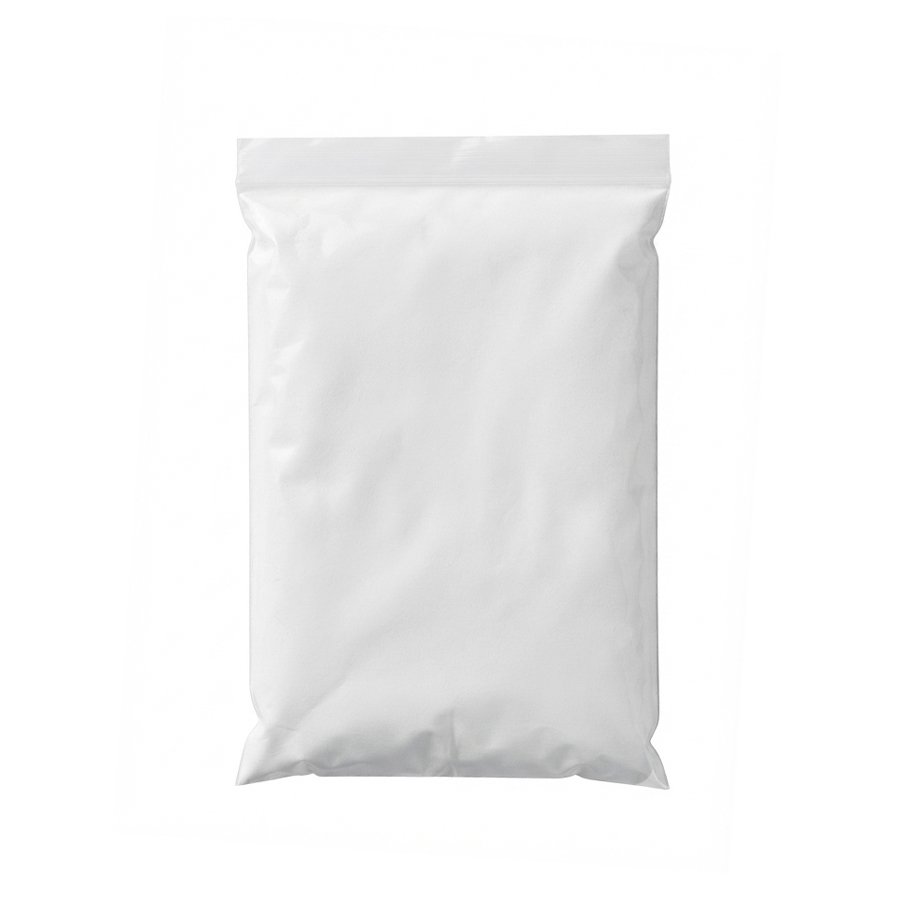 Acid Reduction Cleaning Powder HN-200 for PolyesterA sulfinic acid derivative for acid reduction clearing after disperse dyeing of polyester and blends. It removes unfixed surface dye without draining the bath, shortening the process while improving color fastness on deep shades.View Product →
Matching Dispersant Chemistry to Fiber, Dye and Machine
No single dispersant family covers every fiber, dye and machine, so match the chemistry to working conditions instead of hunting for a universal product.
| Family | Typical chemistry | Strongest at | Watch-outs |
| Lignosulfonate | Sodium lignosulfonate from sulfite pulping | Low-cost grinding dispersal, broad pH tolerance | Brown undertone can dull bright shades and trim light fastness |
| Naphthalene condensate | Sodium naphthalene sulfonate formaldehyde condensate | Heat stability in HT polyester dyeing, electrolyte tolerance | Foam control and effluent color need attention |
| Polyacrylate | Sodium polyacrylate and maleic copolymers | Grinding efficiency and storage stability of liquid dyes | Dose sensitive; can over-flocculate at the wrong pH |
| Nonionic ethoxylate | EO and EO-PO block copolymers | Hydrotropy, levelness support, low-foam grades | Cloud point limits use at high temperature |
For polyester and its blends dyed at 130 to 135 degrees C, mills usually pair the dispersant with a high-temperature leveling agent: the dispersant protects the particles while the leveling agent disciplines uptake. Jiangyin Huanan New Materials Technology Co., Ltd. formulates its high-concentration high-temperature leveling agent HNF65 for exactly this combined duty in exhaust dyeing.
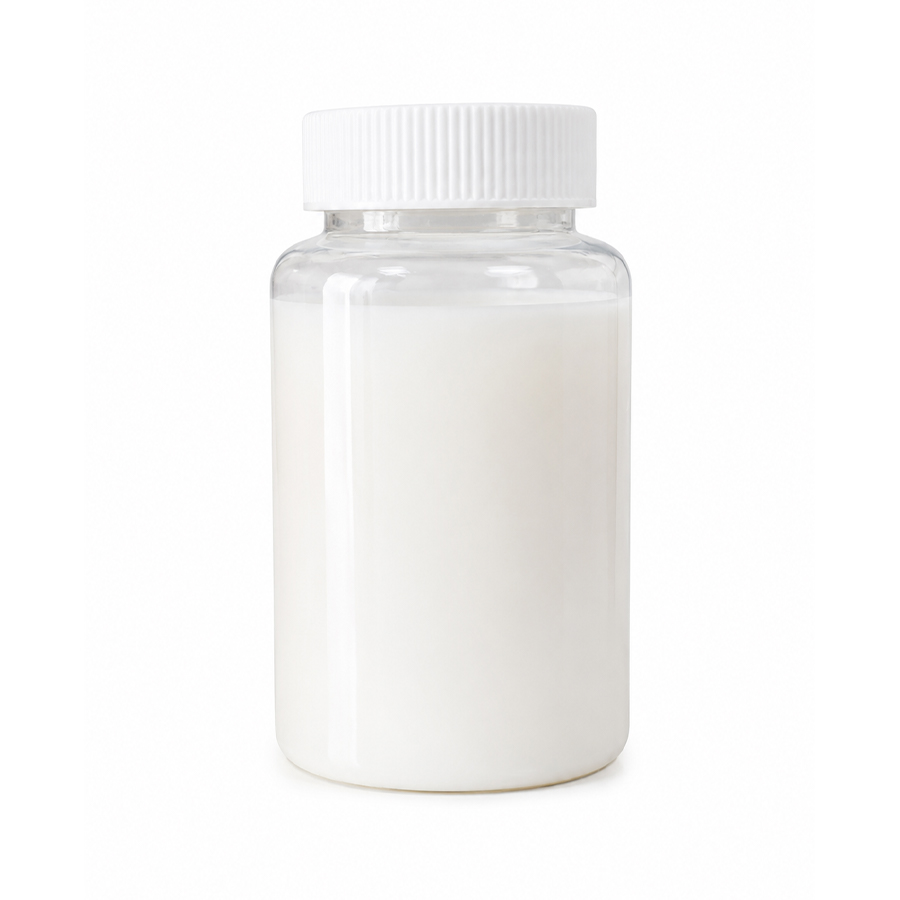
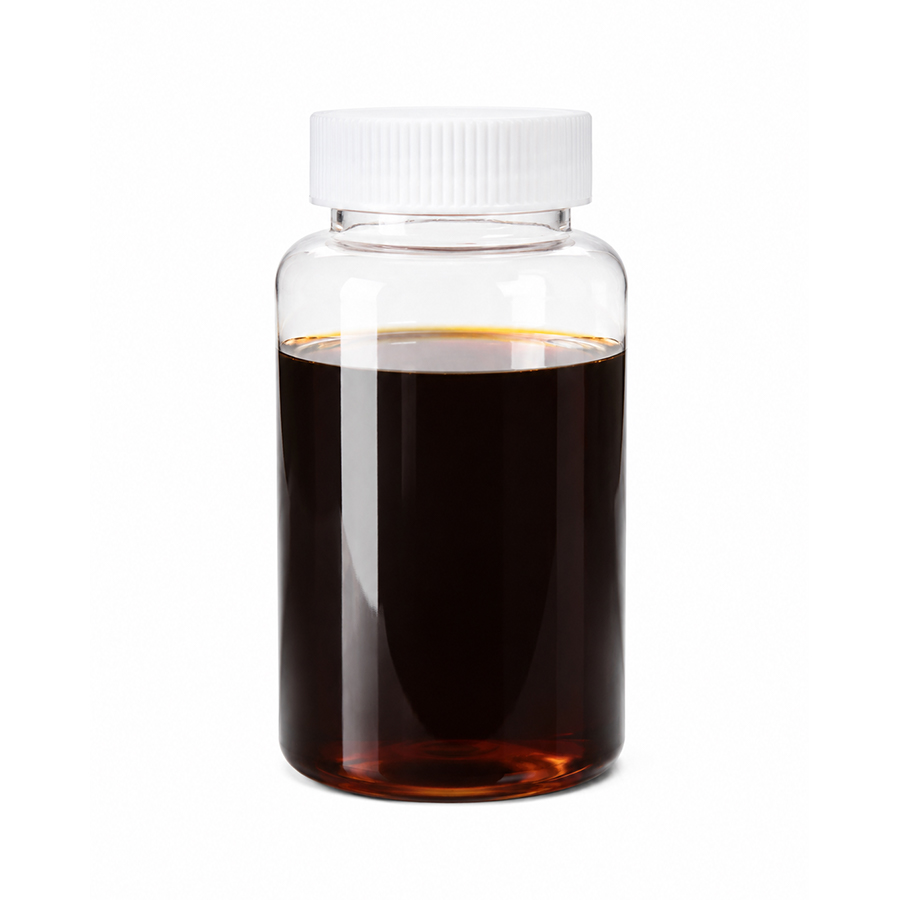 High-Temperature Leveling Agent HN-F65 for Disperse DyeingA high-concentration leveling agent for polyester exhaust dyeing at 130–135 °C, paired with dispersants to stabilize dye particles, promote synchronous uptake, and resist color reduction at high temperature.View Product →
How Much Dispersant Already Ships Inside a Bag of Dye
Commercial disperse dyes arrive with a large share of dispersant built in by the dye maker, which is why extra dosing in the bath is a correction, not a foundation. A standard-strength powder splits roughly as shown below, and liquid brands push even more weight into dispersant to stay pourable on the shelf.
Typical composition of a standard disperse dye powder
Approximate shares by weight; high-strength grades shift the balance further toward dispersing agent.
In-bath additions of about 1 to 2 g/L are typical for high-temperature exhaustion, adjusted for liquor ratio, dye form and depth of shade. Overdosing is not free either: excess surfactant can foam, depress exhaustion and load the effluent plant.
How to Test a Textile Dispersing Agent Before a Bulk Order
A datasheet is a starting point, not proof. Four lab tests that imitate worst-case production will separate a strong dispersant from an average one within a week.
- Heat stability. Dye your deepest production shade with the candidate dispersant at 130 to 135 degrees C for 60 minutes, filter the bath and weigh the residue. High residue means the dispersion collapsed.
- Compatibility. Mix the dispersant with your full auxiliary package at working doses in plant hard water and hold at dyeing temperature. Coagulation, haze or foam here predicts trouble on the floor.
- Thermomigration. Dye, finish and heat-set a sample at about 190 degrees C, then compare shade and fastness before and after to see whether surfactant residue drags dye back to the surface.
- Bulk verification. Run three production lots and record Delta E against standard, speck counts and filter condition. Three lots of real data beat any laboratory swatch.
When energy costs push polyester dyeing down to 95 to 105 degrees C, carriers carry dye into the fiber and dispersion stability gets more delicate, because carriers are strong solvents that can destabilize some dispersions. The eco-friendly carrier dyeing accelerator from the same Huanan range is therefore best screened together with the dispersant, not after it.
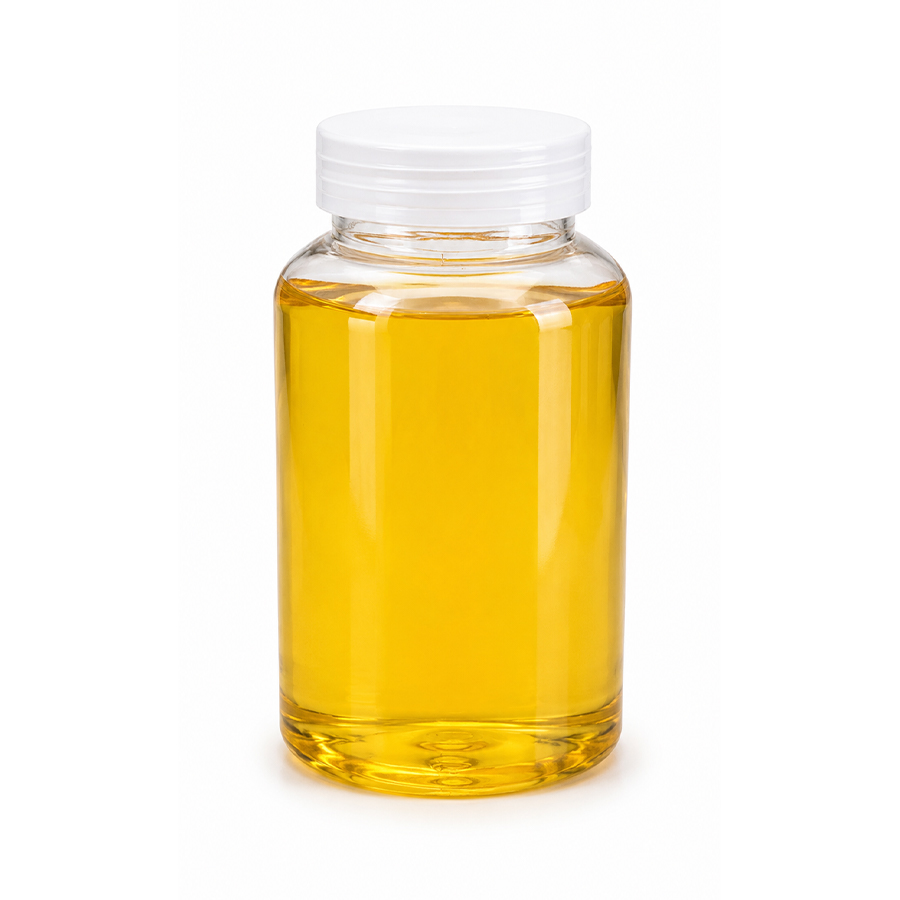
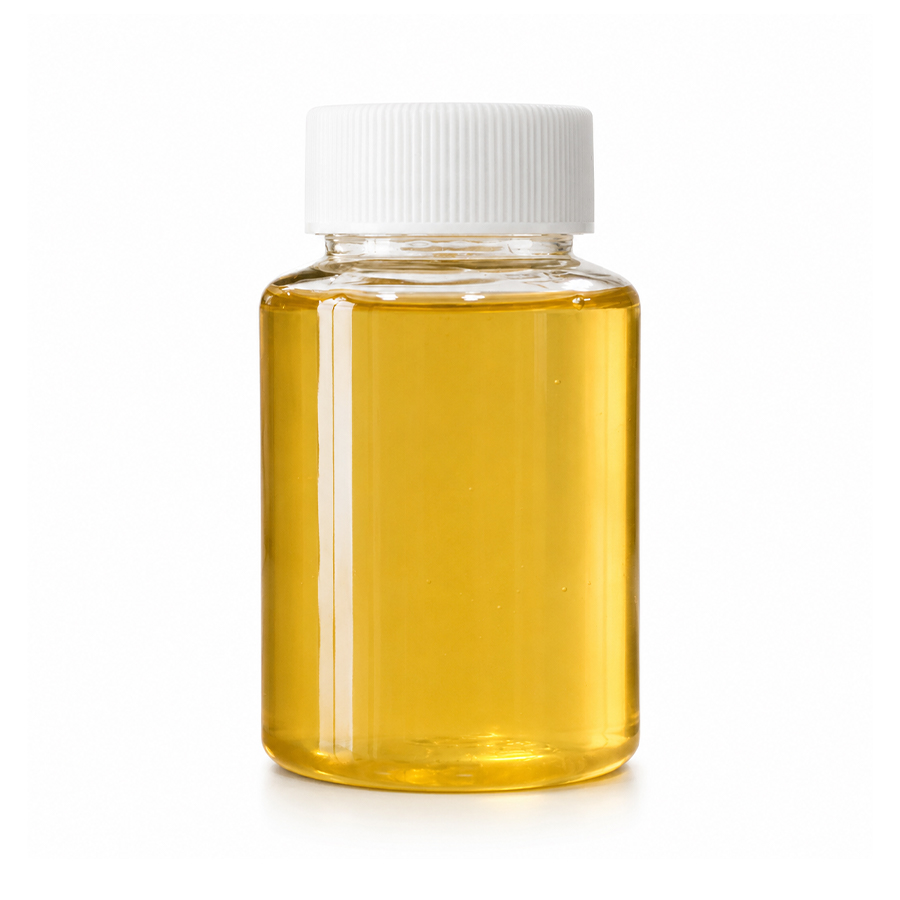 Eco-Friendly Carrier for Low-Temperature Polyester DyeingA benzyl benzoate derivative accelerator for dyeing polyester at 95–105 °C, speeding dye diffusion and penetration while maintaining dispersion stability, and also repairing shade unevenness after dyeing.View Product →
Frequently Asked Questions About Textile Dispersing Agents
Can one dispersing agent cover every disperse dye in the mill?
Rarely. Liquid brands, high-strength powders and sensitive bright shades behave differently, and mixing dye suppliers can destabilize a system balanced for one product line. Screen the dispersant per dye group and keep the results attached to the recipe.
Is a dispersing agent the same as a wetting agent?
No. A wetting agent lowers surface tension so liquor penetrates the fabric quickly; a dispersing agent stabilizes solid particles in that liquor. Many commercial blends do both, which is why the label deserves a close read before you assume a function.
Why does the shade drift after heat setting?
Thermomigration. Dye that diffused properly during dyeing migrates back toward the fiber surface at stenter temperatures, and surfactant residues encourage the move. Thorough clearing and dyes selected for low thermomigration keep the shift small.
How much dispersing agent should I add in the dyebath?
For high-temperature exhaust dyeing of polyester, 1 to 2 g/L is a common starting point, adjusted for liquor ratio, dye form and depth. Confirm with your supplier, because the dye powder already carries dispersant of its own.
Treat the dispersing agent as process insurance rather than a commodity purchase. The cheapest product that survives your hottest bath, your hardest water and your fastest machine will outperform a stronger dispersant that fails any one of those tests.

Contact us
huanannewmaterials@gmail.com
-
 Phone: +86 - 13861620767
-
 Fax: +86-0510-86200939
-
 298 Hongxing Road, Huashi Town, Jiangyin City, Wuxi City, Jiangsu Province, China
Product links
Mobile App
Copyright © Jiangyin Huanan New Materials Technology Co., Ltd. All Rights Reserved

-
huanannewmaterials@gmail.com
-

-

-
+86 - 13861620767