


 English
  中文简体
中文简体 
Sequestering Agent Meaning: Definition, Uses and Dosing in Textile Dyeing
Content
Two dye lots of the same polyester navy left the same mill one week apart, and only one passed inspection. The recipe never changed. The water did: summer drawdown pushed well hardness past 180 ppm CaCO3, and trace iron rode along into the bath. That failure is the practical heart of the sequestering agent meaning, and of why the term sits on nearly every pretreatment and dyeing datasheet.
Metal-ion control is the first functional layer of textile dyeing auxiliaries, before leveling, dispersion or fixation even enter the discussion. Read the term correctly and you can decode most process datasheets, dose with intent instead of habit, and diagnose repeat shades that drift for no visible reason.
Sequestering Agent Meaning: A Working Definition
A sequestering agent is a chemical compound that binds polyvalent metal ions such as calcium, magnesium, iron, copper and manganese into stable, water-soluble complexes, so the ions stay dissolved and can no longer react with dyes, fibers or other bath chemicals.
The word sequester means to set apart, and the chemistry delivers exactly that. Sequestering agents, also called chelating agents, grip a metal ion at several points at once and form a ring-shaped complex that locks away the ion's normal reactivity. EDTA, the best-known example, holds one calcium ion with six coordination bonds; the name comes from chele, the Greek word for claw.
One distinction matters at the purchasing stage: sequestration keeps metal ions dissolved, while a precipitating softener drops them out as sludge. A dye bath needs the first behavior, because sludge deposits on fabric and equipment, whereas a bound ion simply leaves with the drain water.
What Metal Ions Do Inside a Dye Bath
Uncontrolled metal ions cause three expensive failures: unstable bleaching, dull or uneven shades, and scale that chews up equipment. Each failure maps to a specific ion, which is why a water test should come before any auxiliary program is written.
- Calcium and magnesium, the hardness ions, react with anionic reactive, direct and acid dyes to form poorly soluble complexes, cutting color yield and leaving dull, uneven material.
- Iron and manganese catalyze hydrogen peroxide decomposition during bleaching, producing uneven whites, fiber damage and pinholes at fractions of a part per million.
- Copper is the classic dulling ion on wool and nylon, graying down bright shades at trace levels.
- Hardness combined with soaps or anionic surfactants forms lime-soap deposits that appear as specks and sticky machine surfaces.
- Dull or shifted shade
- Specks and calcium lakes
- Pinholes after bleaching
- Scale on heat exchangers
- Level, repeatable shades
- Clean whites, brighter colors
- Stable peroxide control
- Scale-free equipment
Water hardness you measure today becomes the shade rejection you pay for next week.
Sequestering Agent Families and Where Each One Wins
No single chelant covers every ion, pH and temperature, so formulators blend families. Four groups dominate textile practice, and their strengths line up neatly with process stages.
| Family | Binding behavior | Best-fit stage | Watch-outs |
| Aminocarboxylates (EDTA, DTPA, NTA) | Broad-spectrum grip on calcium, magnesium and iron over a wide pH window | Scouring, reactive and direct dyeing | Weak iron control at high pH; EDTA restricted by some effluent rules |
| Organophosphonates (ATMP, HEDP) | Strong iron and copper control; stabilizes peroxide at high pH and temperature | Alkaline bleaching, high-temperature polyester dyeing | Phosphorus load in wastewater |
| Polyacrylate dispersants | Wrap particles and keep precipitates suspended rather than chelating strongly | Soaping, rinsing and blends with chelants | Little standalone iron binding |
| Green chelants (GLDA, MGDA, gluconates) | Readily biodegradable with good calcium and magnesium performance | Eco-restricted mills and OEKO-TEX-driven programs | Higher cost per kilogram |
Match the chelant to the ion that is actually in your water: hardness calls for an aminocarboxylate, iron under alkaline bleach calls for a phosphonate, and suspended solids call for a polyacrylate.
Where a Sequestering Agent Goes in the Wet-Processing Line
Dose sequestration early and carry it through every wet stage. One uncontrolled bath reintroduces the ions the previous steps removed, and the chain breaks at its weakest link.
- Scouring: the agent ties up hardness so lime soaps and sizing residues rinse away instead of redepositing on the goods.
- Bleaching: a phosphonate-type sequestrant shields peroxide from iron and copper catalysis, protecting whites and preventing catalytic pinholes.
- Dyeing: in reactive, direct and acid dyeing it keeps hardness away from anionic dyes; in disperse dyeing it supports the dispersing and leveling system through 130 C high-temperature polyester cycles.
- Soaping and washing off: it holds hydrolyzed dye and hardness in solution, which is what lifts rub fastness and prevents back-staining on deep shades.
In a full-line auxiliary program, these product groups work alongside sequestration at each stage:
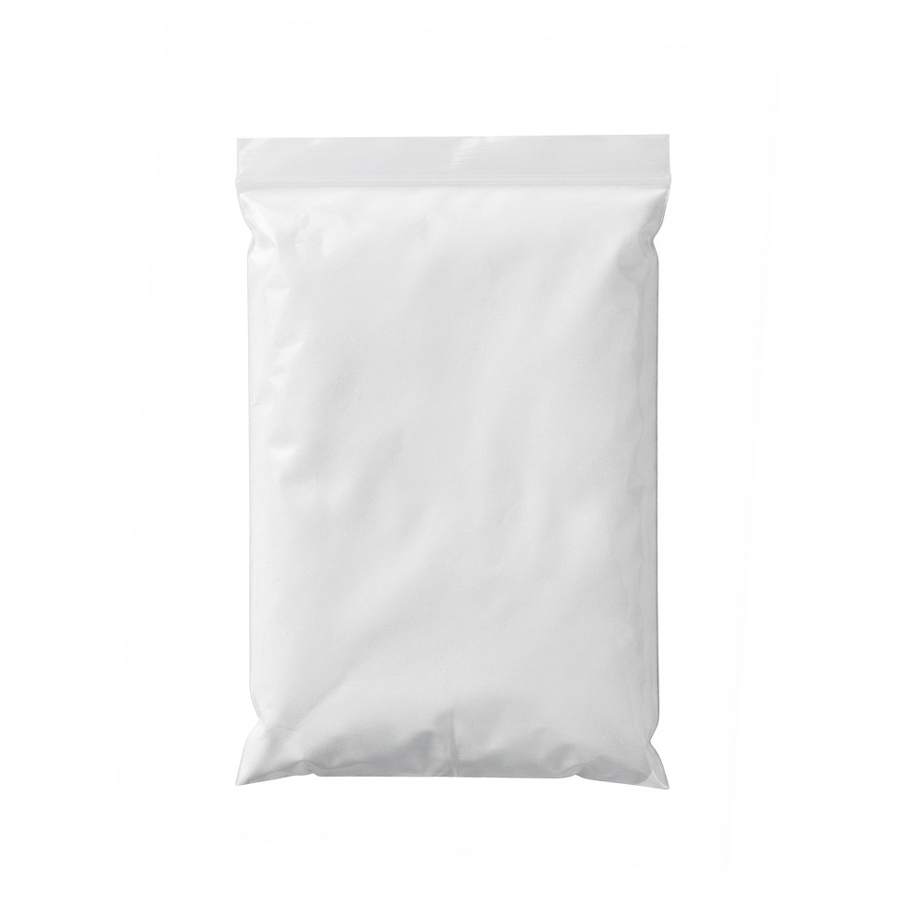 Pre-Treatment Auxiliary Products for Textile MillsPre-treatment auxiliaries such as enzymes, desizing agents, and chelating dispersants prepare fabric before dyeing. They work alongside sequestration at each stage, so correct dosage based on water hardness keeps the bath protected.View Product →
 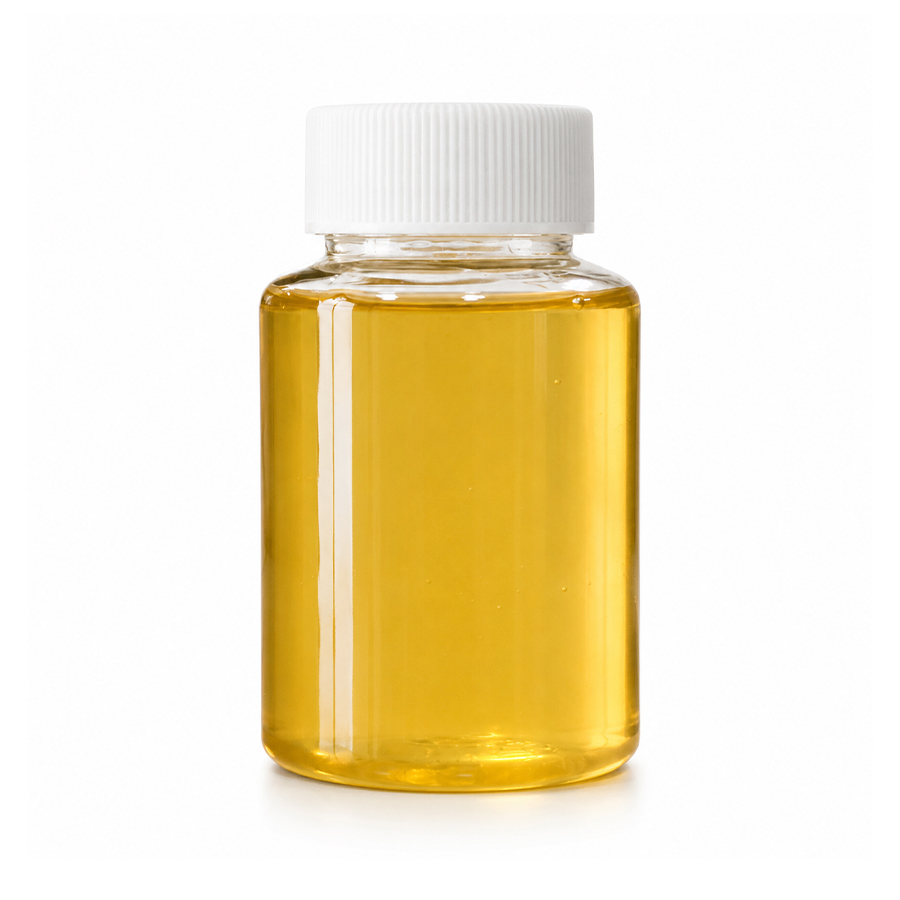 Dyeing Auxiliaries Including Leveling and CarriersDyeing auxiliaries such as carriers, repair agents, and leveling agents support even shade uptake across polyester, wool, acrylic, and microfiber. In a full-line program they complement sequestration at each dyeing stage.View Product →
 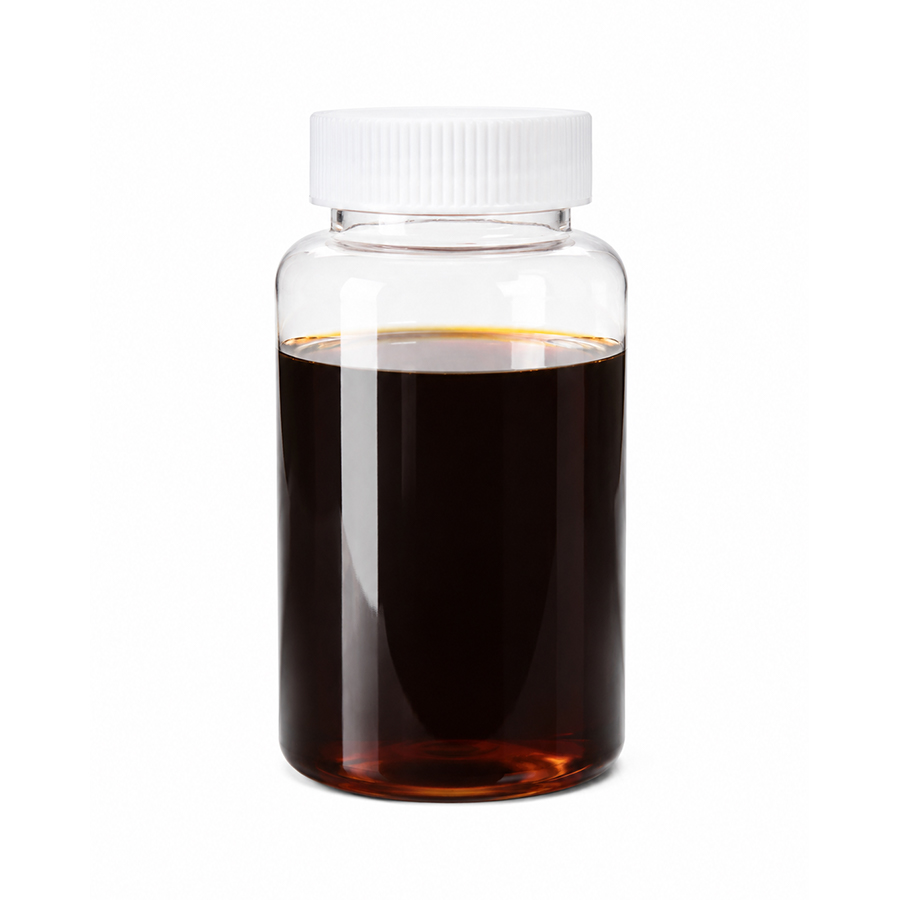 High Temperature Leveling Agent HN-F65 for PolyesterHN-F65 is a high-temperature leveling agent for disperse dyeing of polyester, offering good migration, low color reduction, and electrolyte resistance. It pairs with proper sequestration dosing to keep the dye bath stable.View Product →
Dosing a Sequestering Agent Without Guesswork
Dosage follows water hardness and process stage: too little leaves the bath exposed, while heavy overdosing can disturb metal-complex shades and waste money.
Start from a water test rather than a habit, because hardness swings seasonally in many mills and a recipe tuned in March can under-dose in August. Then respect the order of addition, which matters more than any datasheet default.
Dosing order at the start of a dye cycleOne caution deserves its own line: with premetallized or metal-complex dyes, a strong chelant can attack the metal inside the dye molecule and strip the shade. Dose conservatively, consider a milder polyacrylate-based system, and confirm every change on lab dips.
When auditing suppliers, ask how metal-ion control is engineered into their system rather than sold as an afterthought. Full-range manufacturers such as Jiangyin Huanan New Materials Technology Co., Ltd. formulate pretreatment, dyeing and finishing auxiliaries to run in the same bath chemistry, which removes most compatibility surprises before they reach the machine floor.
Sequestering Agent Questions Dyers Ask Most
Are sequestering agent and chelating agent the same thing?
For practical purposes, yes. Both terms describe compounds that bind polyvalent metal ions into stable, soluble complexes. Sequestering emphasizes keeping those ions dissolved and inactive in the process bath.
Can a sequestering agent be used with every dye class?
Reactive, direct, vat, sulfur and disperse dyeing all benefit. The exception is metal-complex dyeing, where strong chelants may attack the dye's own metal center, so dosing must be conservative and lab-verified.
How much sequestering agent should a dye house add?
Let water hardness set the number. Typical reactive dyeing runs from about 0.5 g/L in soft water up to 2.5 g/L in very hard water, always confirmed by mill trials rather than datasheet defaults.
Do biodegradable sequestering agents perform as well as conventional ones?
Modern GLDA and MGDA grades match conventional aminocarboxylates on calcium and magnesium at a higher cost per kilogram. For iron control under alkaline bleaching, phosphonates still hold the performance lead.


Contact us
huanannewmaterials@gmail.com
-
 Phone: +86 - 13861620767
-
 Fax: +86-0510-86200939
-
 298 Hongxing Road, Huashi Town, Jiangyin City, Wuxi City, Jiangsu Province, China
Product links
Mobile App
Copyright © Jiangyin Huanan New Materials Technology Co., Ltd. All Rights Reserved

-
huanannewmaterials@gmail.com
-

-

-
+86 - 13861620767