


 English
  中文简体
中文简体 
Mild Bleaching Agent Selection for Textile Mills: Peroxide, PAA and Process Control
Content
- 1 What Qualifies as a Mild Bleaching Agent in Textile Wet Processing
- 2 Hydrogen Peroxide: The Default Mild Bleaching Agent for Cotton
- 3 Peracetic Acid and Cold Bleaching for Delicate Fibers
- 4 Where Mild Bleach Cycles Fail: Metals, pH and Residual Peroxide
- 5 Whiteness Targets and a Sourcing Checklist That Holds Up
- 6 Frequently Asked Questions
A pale aqua reactive shade on cotton interlock is unforgiving: every trace of natural pigment and every returning yellow cast shows under retail lighting. Dye houses that chase that whiteness with sodium hypochlorite usually pay for it later, in weakened fabric, chlorine odor complaints and shade repeatability problems that surface after the goods have left the mill. A mild bleaching agent, by contrast, removes the same colorants under controlled pH, temperature and time while leaving the fiber, the spandex core and the downstream dyes intact.
A mild bleaching agent is an oxidizing system, most commonly hydrogen peroxide (H2O2), peracetic acid (PAA) or a percarbonate salt, that destroys natural pigments and stains at controlled pH, temperature and time without significant loss of fiber strength or damage to dyes already on the fabric.
The mildness gap is measurable, not cosmetic: it appears in tensile retention data, in effluent AOX readings and in re-dye counts. This guide covers which oxidants qualify as mild, where each one fits by fiber and shade depth, and the control points that keep a mild recipe mild in production.
What Qualifies as a Mild Bleaching Agent in Textile Wet Processing
Three oxidant families cover nearly every mild bleaching job in a dye house: hydrogen peroxide, peracetic acid, and percarbonate or perborate salts that release peroxide in water. Ozone joins the list for garment work. What they share is selectivity: oxidation attacks the chromophores in natural pigments faster than it attacks the polymer chains of the fiber.
- Hydrogen peroxide. The industry default for cotton, viscose, linen and their blends; it decomposes to water and oxygen, adding no salt load to effluent.
- Peracetic acid. A cold-bleach oxidant that also disinfects, breaking down to acetic acid, water and oxygen; the usual choice for wool, silk and polyamide blends.
- Sodium percarbonate. A solid, transport-stable peroxide source for yarn and garment washing where moderate whiteness is acceptable.
- Ozone. A gas-phase mild bleaching agent and sterilant used in denim garment finishing without a water bath.
| Agent | Typical pH | Temperature | Best suited to | Main watch-out |
| Hydrogen peroxide, 35 to 50 percent | 10.5 to 11 | 90 to 98 degrees C | Cotton, viscose, linen, blends | Metal ions trigger catalytic damage |
| Peracetic acid | 4.5 to 7 | 40 to 60 degrees C | Wool, silk, polyamide, elastane blends | Dosing accuracy and odor |
| Sodium percarbonate | 9 to 10.5 | 40 to 70 degrees C | Yarns, garments, re-wash programs | Lower whiteness ceiling |
| Ozone | Dry or moist gas | Ambient | Denim and garment finishing | Equipment cost, uniformity |
Mildness is judged by three numbers at the end of a cycle: tensile strength retained, whiteness gained, and residual oxidant carried into the next bath. If any of them drifts, the recipe is no longer mild in practice.
Hydrogen Peroxide: The Default Mild Bleaching Agent for Cotton
Stabilized peroxide at pH 10.5 to 11 delivers the best whiteness per point of strength loss on cellulosics, which is why it anchors most exhaust and continuous pretreatment lines. In alkaline liquor the active species is the perhydroxyl anion, formed as H2O2 dissociates; stabilizers keep that species available evenly across the batch instead of letting it collapse into uncontrolled decomposition.
Two variables decide whether the bath stays mild. The first is pH: once the liquor drifts below about 10.5, peroxide turns more aggressive toward cellulose while whitening less. The second is metals: traces of iron or copper from hard water, corroded pipework or an unclean machine catalyze decomposition, producing local over-oxidation that shows up as pinholes and strength loss instead of uniform whitening. Organic stabilizers, a sequestrant and disciplined machine cleaning are the countermeasures.
Buffered, stabilized bath
- Even, repeatable whiteness across rope or beam
- Tensile retention typically above 95 percent
- Safe for spandex cores at controlled temperature
Bath with pH or metal drift
- Batch-to-batch whiteness and shade variation
- Pinholes, thin spots and changed handle
- Yellowing that returns after drying or storage
Peracetic Acid and Cold Bleaching for Delicate Fibers
When the fiber cannot tolerate hot alkali, peracetic acid bleaches at 40 to 60 degrees C in a near neutral window and adds disinfection to the same bath. That combination explains its role in wool top processing, silk, nylon swimwear and cotton-elastane knits, and in laundries that need hygiene and stain removal in one step. Its residues, acetic acid, water and oxygen, rinse out without the salt burden or AOX formation associated with chlorine chemistry.
The trade-offs are a lower whiteness ceiling on greige cotton and tighter dosing discipline. PAA is supplied in several active strengths and loses potency in storage, so mills verify assay on delivery and manage odor handling in the works. For pale shades on delicate blends, a PAA pass followed by an optical brightener usually closes the gap to hot peroxide at a fraction of the fiber stress.
PAA earns its keep wherever heat, alkali or chlorine residues would cost more than the chemical itself: protein fibers, elastane blends and any order carrying a biocidal specification.
Where Mild Bleach Cycles Fail: Metals, pH and Residual Peroxide
Three controllable sources cause most quality losses in mild bleaching: catalytic metals in the bath, uncontrolled pH, and peroxide carried forward into the dye vessel. Sequence discipline fixes all three, and each stage of the pretreatment chain has a dedicated tool.
Desize evenly
Starch and PVA sizes block peroxide access and cause uneven white, so an amylase stage sets up uniform bleaching.
Bleach inside the window
Hold dose, pH, temperature and time at set points, with metals sequestered and the machine clean.
Kill residual peroxide
A catalase treatment clears leftover H2O2 to below 2 ppm in minutes, replacing two or three rinse cycles and protecting reactive dyestuffs from oxidation.
Dye on a clean bath
Leveling and fixation chemistry only performs when the bleaching stage left no oxidant behind.
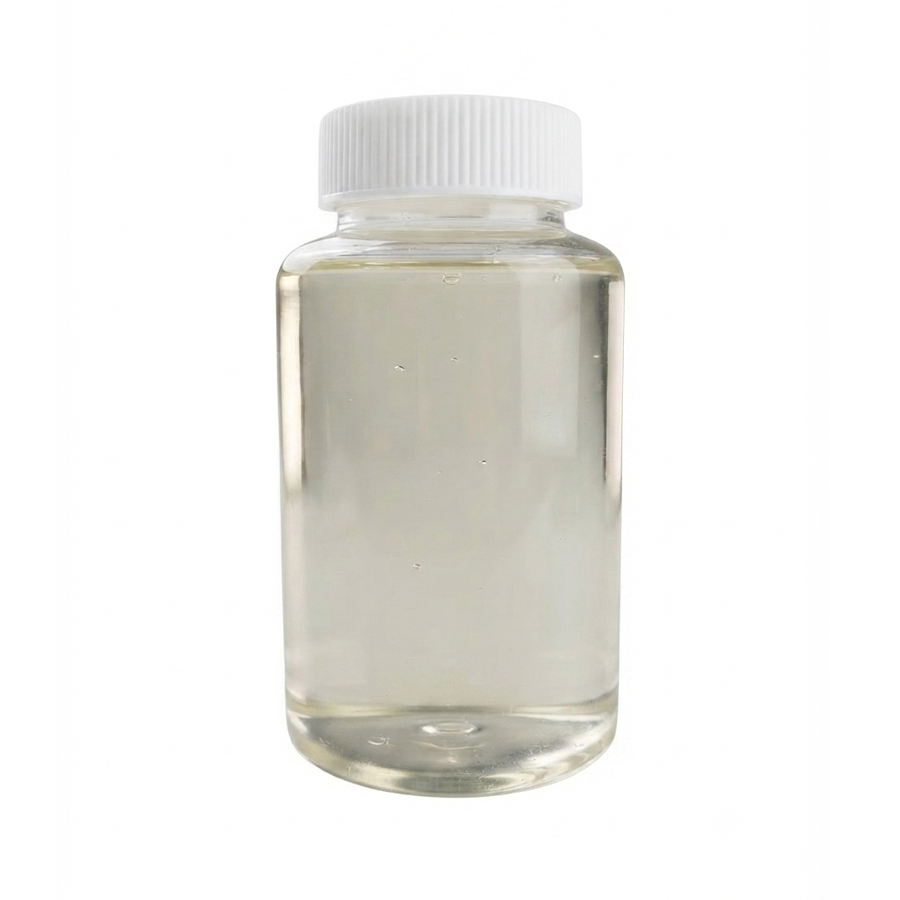 Optisize® HN2001 Bacterial Amylase Desizing EnzymeA stable bacterial α-amylase that breaks starch-based sizes into easily washed-out dextrins. Clean size removal before scouring and bleaching keeps downstream oxidant removal and shade control reliable.View Product →
 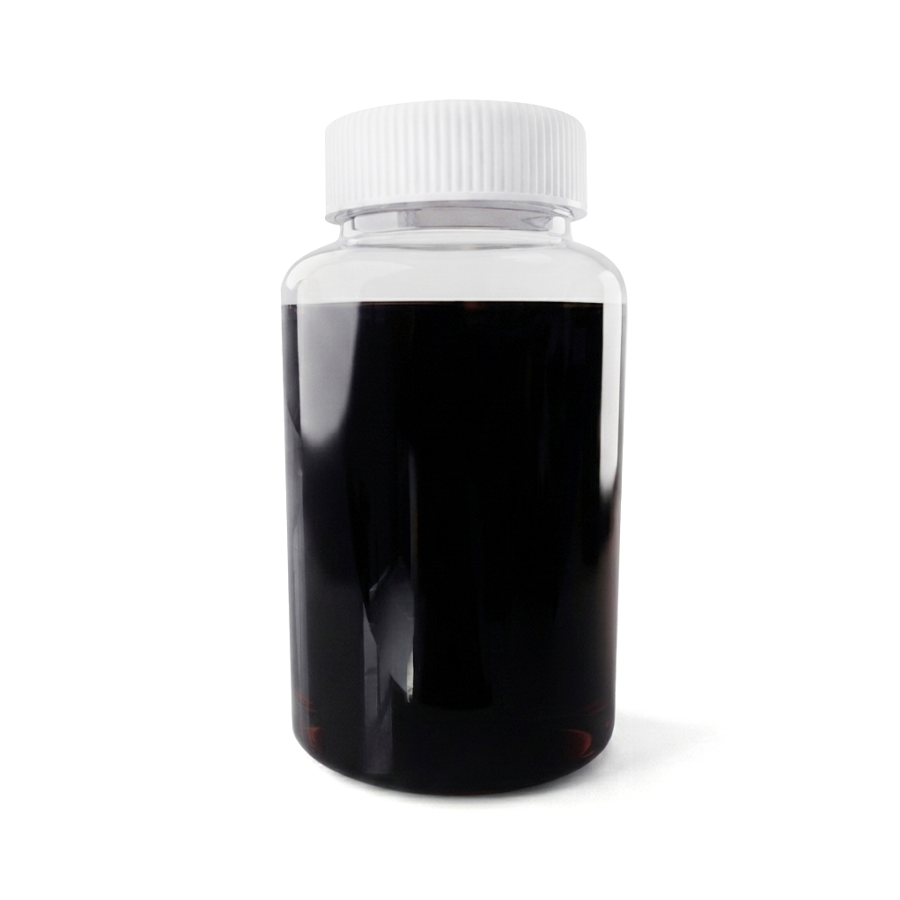 HN-08 / HN-50 Catalase Peroxide Removal EnzymeA high-concentration catalase that rapidly decomposes residual hydrogen peroxide into water and oxygen after bleaching. Complete peroxide removal protects leveling and fixation performance in the following dyeing stages.View Product →
Whiteness Targets and a Sourcing Checklist That Holds Up
Specify whiteness by the shades you actually run, not by the highest figure the laboratory can print. Pale reactive shades generally need CIE whiteness around 70 or above plus brightener toning, while dark shades can often be dyed on a scour-only ground, saving a full bleach cycle, energy and strength. Over-bleaching to chase numbers the order book never asks for is the most expensive form of mildness.
Bio-polishing after bleaching is another place where sequence pays. A neutral cellulase pass removes the surface hairiness that alkaline bleaching exposes and upgrades hand feel on knits without a separate hot acid stage.
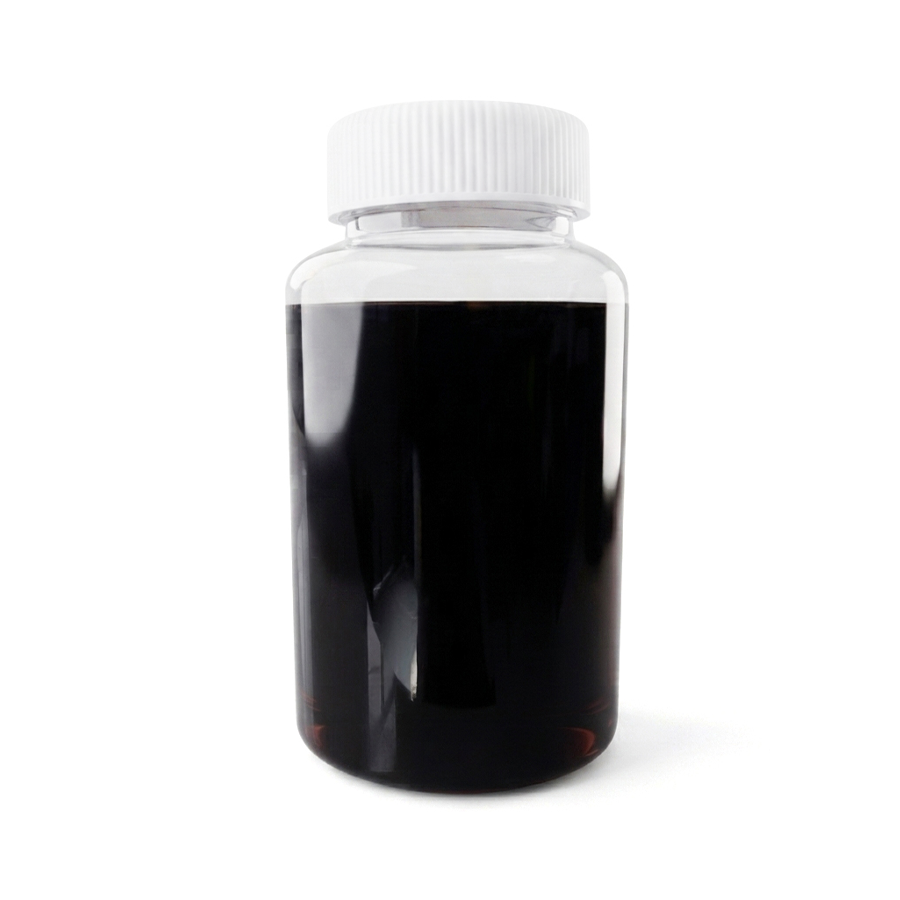 HN-900 Neutral Cellulase Bio-Polishing EnzymeA neutral cellulase for depilling and polishing cotton or cellulose-rich fabrics, suitable for overflow jet dyeing machines. Running it after bleaching removes exposed surface hairiness and improves knit hand feel without a hot acid stage.View Product →
Once the technical route is settled, procurement decides whether performance repeats. A short checklist keeps the evaluation honest:
- Assay and stability data for the active oxidant, including shelf life at your storage temperature
- APEO-free and formaldehyde-free declarations that support OEKO-TEX aligned compliance work
- Stabilizer and sequestrant compatibility with your water hardness and machine metallurgy
- Low-temperature variants for elastane and protein fiber programs
- Technical service and custom formulation capacity, not just drum supply
Suppliers that cover the whole wet-processing chain make that checklist easier to close. Jiangyin Huanan New Materials Technology Co., Ltd., a textile auxiliary manufacturer in Jiangsu producing pretreatment, dyeing and finishing chemicals since 1984, builds its enzyme and deoxygenating range around one continuous pretreatment-to-dyeing sequence. The same logic runs downstream: once the bleach bath is cleared, shade build-up and reproducibility depend on the textile dyeing auxiliaries chosen for the next bath, from leveling agents to after-treatment products.
Frequently Asked Questions
Is a mild bleaching agent safe for colored fabric?
Oxygen-based systems are color-safe when pH, temperature and time are controlled, which is why percarbonate products are standard in household laundering. On reactive or sulfur dyed goods, always run a fastness test first, since fugitive or unfixed dye can lift even in a mild bath.
What is the mildest option for wool and silk?
Peracetic acid at 40 to 50 degrees C near neutral pH is the safest route, with stabilized hydrogen peroxide under gentle conditions as the alternative. Chlorine should never touch protein fibers: it yellows, weakens and roughens them.
How is residual peroxide removed before dyeing?
With a catalase enzyme, dosed after bleaching and held 10 to 20 minutes at 30 to 50 degrees C. It breaks H2O2 down to water and oxygen, takes residual peroxide below 2 ppm, and saves the two or three rinses a conventional drain-and-fill approach needs.
Can mild oxidants replace chlorine bleach completely?
For most apparel fibers, yes. Hypochlorite persists only where lowest cost and maximum whiteness on linen-type goods outweigh its AOX and strength penalties, and effluent regulation keeps narrowing that space year by year.

Contact us
huanannewmaterials@gmail.com
-
 Phone: +86 - 13861620767
-
 Fax: +86-0510-86200939
-
 298 Hongxing Road, Huashi Town, Jiangyin City, Wuxi City, Jiangsu Province, China
Product links
Mobile App
Copyright © Jiangyin Huanan New Materials Technology Co., Ltd. All Rights Reserved

-
huanannewmaterials@gmail.com
-

-

-
+86 - 13861620767