


 English
  中文简体
中文简体 
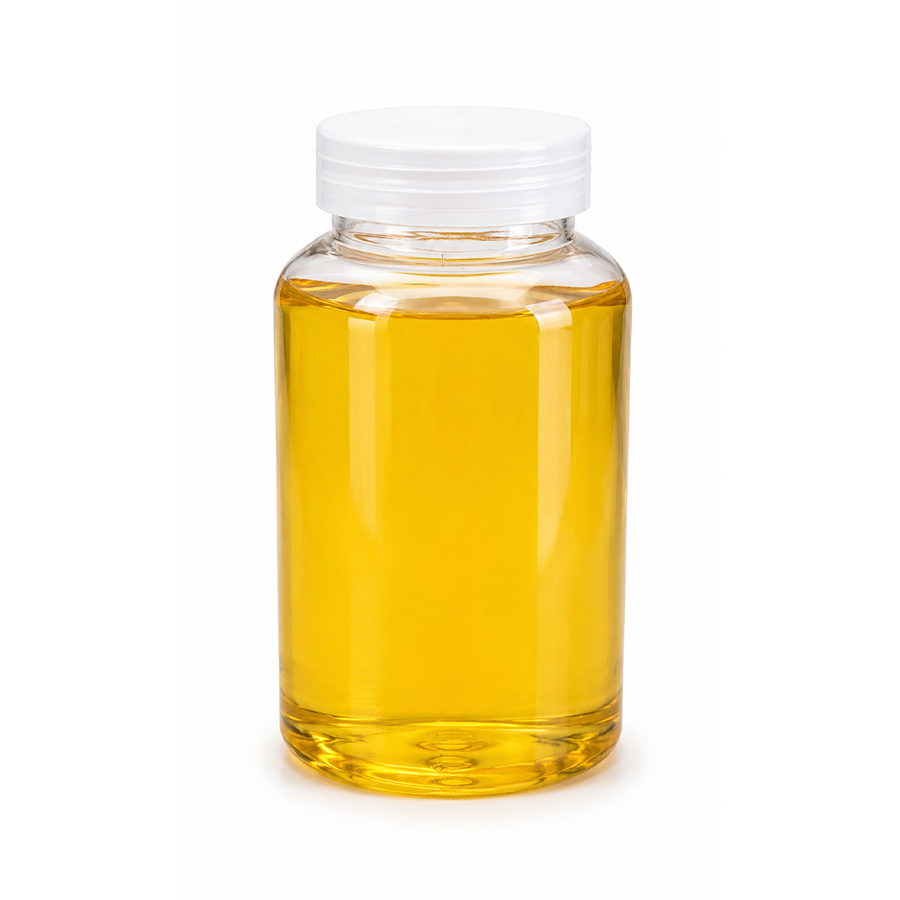

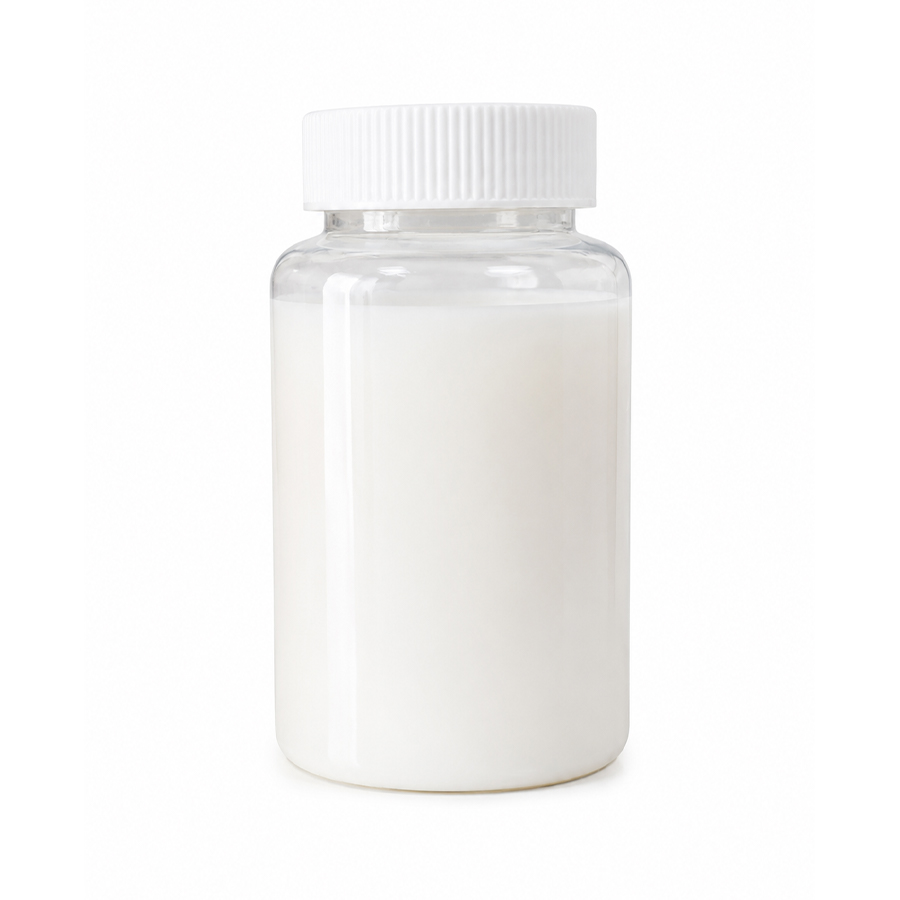
Cotton Processing Auxiliaries
Jiangyin Huanan New Materials Technology Co., Ltd. supplies cotton processing auxiliaries designed for wet processing, dyeing, and finishing. These auxiliaries include scouring agents, wetting agents, chelating dispersants, softeners, and fixing agents. Formulated to support stable bath conditions and consistent fabric quality, they are applicable to woven and knitted cotton substrates. Products are available with low-foaming and non-ionic or anionic characters, suitable for continuous and exhaust processes. Jiangyin Huanan manufactures auxiliaries with controlled VOC and APEO content, supporting compliance with textile environmental standards. The portfolio includes pre-treatment, dyeing, and after-treatment chemicals with defined activity levels and emulsion stability.
Core advantages
- Formulated with non-ionic and anionic surfactants for controlled wetting and penetration in cotton substrates.
- Emulsion systems with particle size distribution below 200 nm for improved bath stability and exhaustion.
- APEO-free and formaldehyde-free compositions available for standard and GOTS-aligned production.
- Production capacity of 60,000 tons per annum with ISO 14001 and ISO 45001 management systems.
- Consistent performance across variable water hardness (up to 300 ppm CaCO₃) and temperature ranges (20–130 °C).
Product characteristics
- Wetting agents: non-ionic surfactants with Ross-Miles foam height ≤ 20 mm at 25 °C, providing rapid wetting (Draves test ≤ 5 s).
- Scouring agents: alkaline-stable blends (pH 8–12) with emulsifying capacity for waxes and pectins.
- Chelating dispersants: polymeric carboxylate types with CaCO₃ dispersing index ≥ 85 %.
- Silicone softeners: amino-modified emulsions with particle size 150–250 nm, non-yellowing on white fabrics.
- Fixing agents: cationic resinous compounds with formaldehyde content < 50 ppm, improving wash fastness by 1–1.5 grades.
- Available in liquid, paste, and powder forms with specific gravity and pH ranges for each product grade.
Application scenarios
- Pre-treatment: desizing, scouring, and bleaching of cotton and cotton-blend fabrics under pad-steam or cold pad-batch conditions.
- Dyeing: reactive, vat, and direct dyeing processes; auxiliaries for leveling, migration control, and exhaust promotion.
- After-treatment: washing-off, neutralization, and fixing to improve wet fastness and handle.
- Finishing: softening, antistatic, and stiffening applications for apparel, home textiles, and industrial fabrics.
- Suitable for jet dyeing machines, jiggers, winch becks, and continuous pad-dry-cure ranges.
Technical specifications overview
| Product type | Ionicity | pH (1 % solution) | Active content (%) |
| Wetting agent | Non-ionic | 6.5 – 7.5 | 25 – 30 |
| Scouring agent | Anionic / non-ionic | 8.0 – 9.5 | 20 – 40 |
| Chelating dispersant | Anionic | 2.5 – 4.0 | 30 – 35 |
| Silicone softener | Cationic / non-ionic | 5.0 – 7.0 | 15 – 25 |
| Fixing agent | Cationic | 4.0 – 5.5 | 18 – 22 |
Frequently asked questions & solutions
Select non-ionic wetting agents with low-foaming ethylene oxide/propylene oxide block copolymers. For continuous processes, use defoamer blends containing silicone-free or silicone-based compounds depending on the dyeing system. Pre-dilute auxiliaries in warm water (40–50 °C) before adding to the bath.
For pad-steam: 3–6 g/L scouring agent, 5–10 g/L stabilizer, and 15–25 g/L H₂O₂ (30 %) based on liquor pick-up. For exhaust: 1–3 % owf depending on substrate weight and impurities. Conduct lab trials to determine optimum concentration for each batch.
Apply cationic fixing agents at 2–4 % owf in a fresh bath at pH 5.0–6.0, temperature 50–60 °C for 20–30 minutes. For deep shades, combine with a pre-treatment using chelating dispersant to remove metal ions. Rinse thoroughly and neutralise with acetic acid if needed.
Yes, anionic and non-ionic grades are compatible with most reactive dye classes. Avoid cationic products during dyeing; they are reserved for after-treatment. Conduct compatibility tests with dye liquor to check precipitation or dye aggregation (filter test with Whatman No. 1 paper).
Handling & storage notes
- Store in original containers at 5–35 °C, away from direct sunlight and freezing conditions.
- Agitate or stir before use to re-disperse settled particles, especially for silicone emulsions.
- Use personal protective equipment (gloves, goggles) during handling; refer to SDS for specific precautions.
- Shelf life: 12 months for most products; silicone softeners 6 months under recommended conditions.
Better Textile Auxiliaries Superior Quality
View MoreWe take pride in offering eco-friendly formulations, including APEO-free and formaldehyde-free options, to help our customers comply with international environmental regulations such as OEKO-TEX, ISO 14001, and ISO 45001. Jiangyin Huanan delivers quality, consistency, and value. We are committed to building long-term partnerships based on trust, innovation, and mutual growth, serving customers.
-
1984
Established In
-
02
Production Plants
-
60000
Tons Annual Capacity