


 English
 中文简体

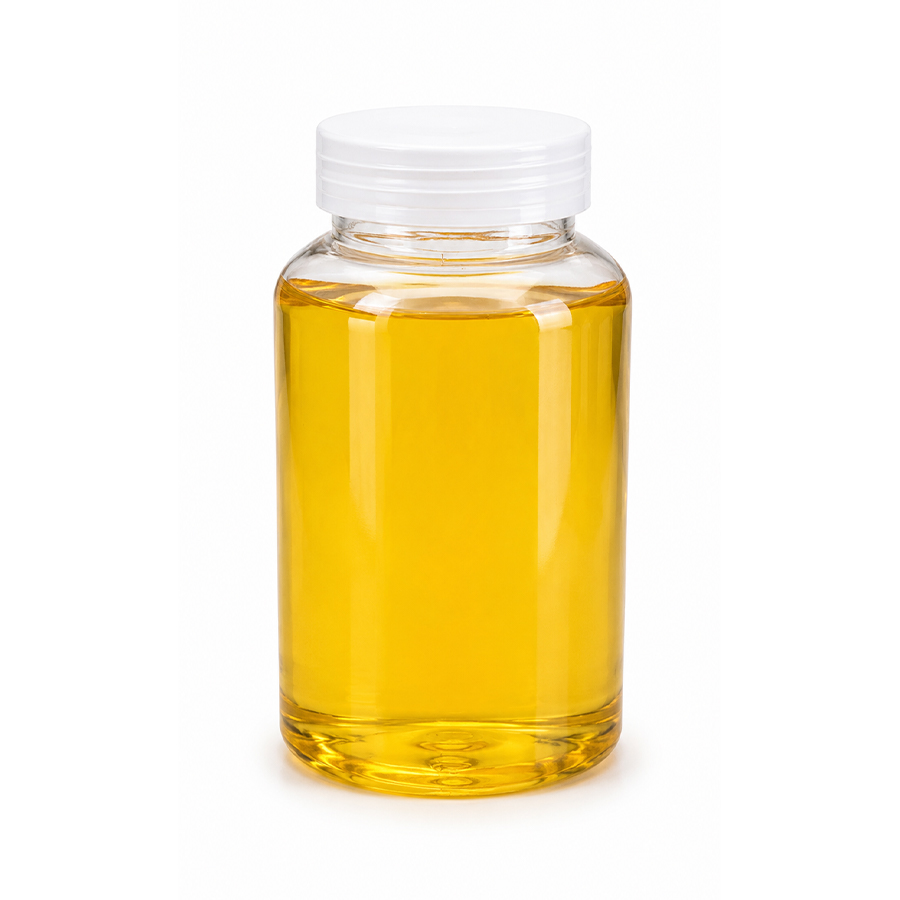

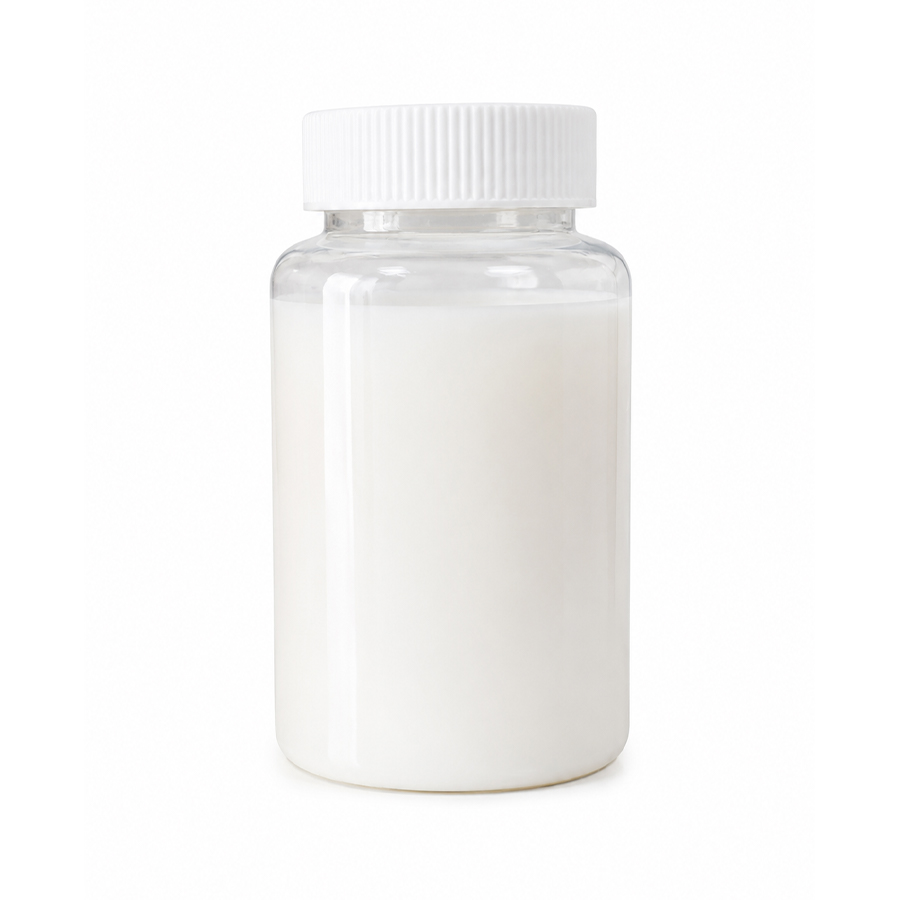
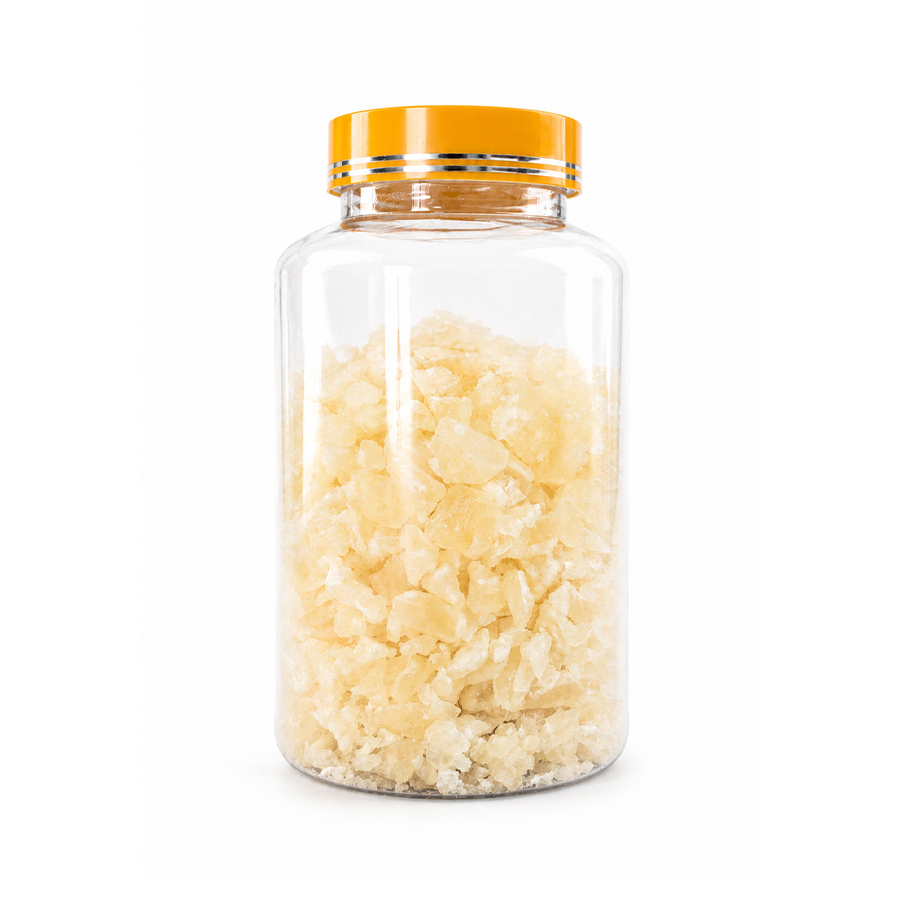
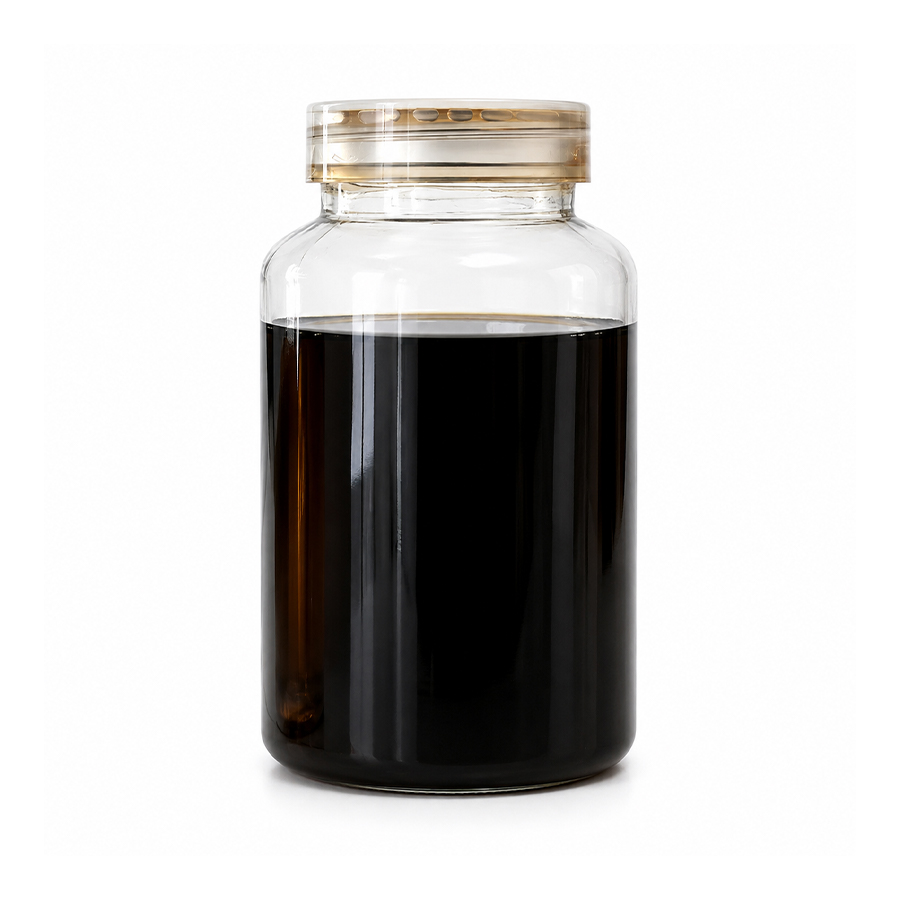
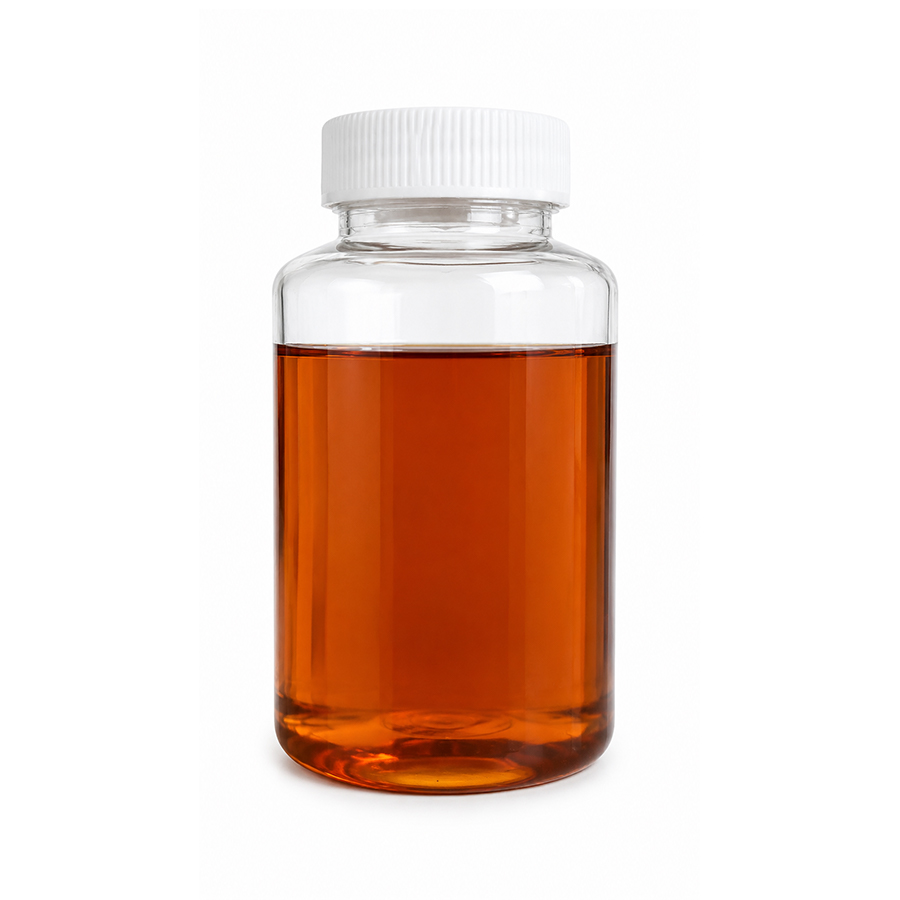
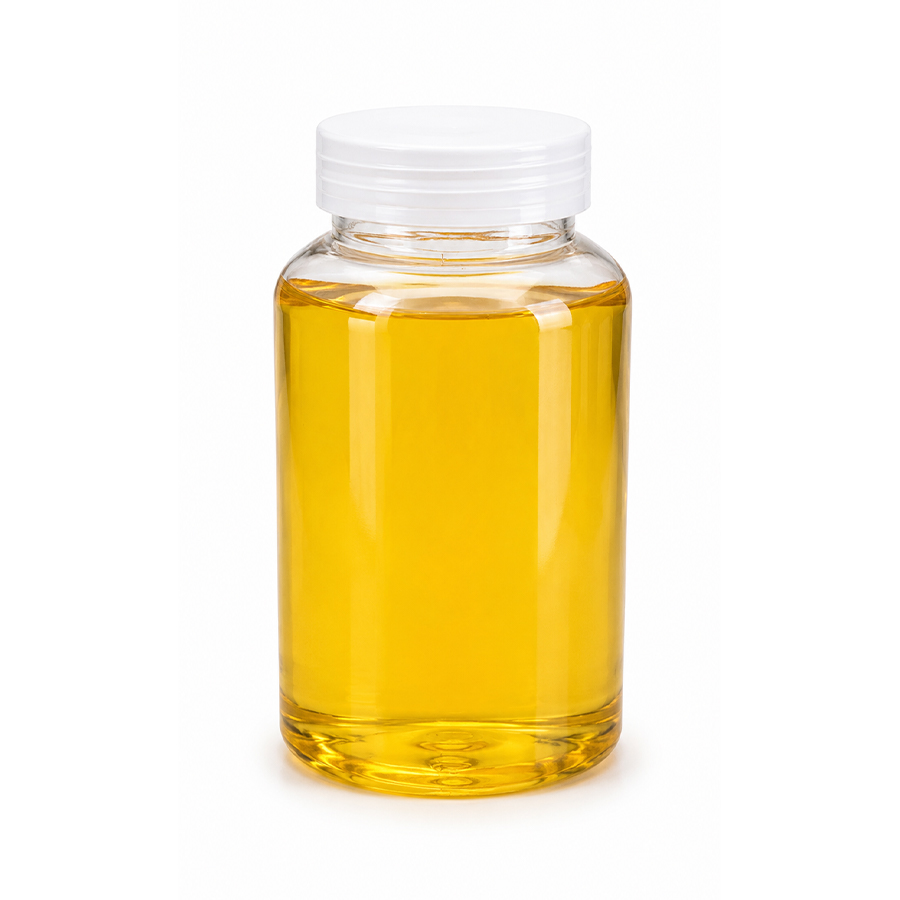
Cotton Bio-Polishing Agent
Cotton Bio-Polishing Agent is a cellulase-based finishing auxiliary used to modify the surface of cotton and other cellulosic fabrics. The enzyme acts on protruding cellulose fibers on the yarn surface and removes them through controlled hydrolysis, which reduces fuzz, improves surface smoothness, and gives the fabric a softer hand feel. The treatment also reduces pilling tendency and improves the fabric appearance after repeated laundering. Because enzyme activity is sensitive to pH, temperature, and time, the agent is formulated for consistent performance across batch and continuous processes. Grades are available for exhaust and pad application, with APEO-free and formaldehyde-free options that support OEKO-TEX, ISO 14001, and ISO 45001 compliance requirements.
Company Strengths
Manufacturing Since
Jiangyin Huanan New Material Technology Co., Ltd. has produced textile auxiliaries continuously from Jiangyin City, Jiangsu Province, China, with research, development, production, and sales handled in house.
Tons Annual Capacity
Two production plants support large volume orders and continuous delivery schedules without reliance on external toll manufacturing.
Auxiliary Categories
Pre-treatment, post-treatment, and dyeing auxiliaries supplied from one source with coordinated formulation logic.
Core Advantages
Surface Smoothness
Removes protruding surface fibers and reduces fuzz, producing a smoother fabric surface.
Fuzz Removal
Hydrolyzes protruding cellulose fibers on the yarn surface without damaging the main fiber structure.
Pilling Reduction
Reduces the tendency of the fabric to form pills after repeated laundering and abrasion.
Hand Feel Improvement
Produces a softer, smoother hand feel through controlled surface modification rather than chemical softening.
Appearance Retention
Improves the fabric appearance after repeated laundering compared to untreated cellulosic fabric.
Process Flexibility
Suitable for exhaust and pad application on cotton, viscose, modal, lyocell, and their blends.
Weight Loss Control
Weight loss can be controlled through dosage, pH, temperature, and time to meet the target hand feel.
Eco Formulation
APEO-free and formaldehyde-free options for restricted substance compliance.
Product Characteristics
Performance Data
| Surface smoothness | Reduced surface friction and fuzz compared to untreated cotton fabric |
| Pilling resistance | Improved pilling grade after repeated abrasion compared to untreated fabric |
| Hand feel | Softer and smoother hand feel after controlled surface hydrolysis |
| Weight loss | Controlled by dosage, pH, temperature, and time within a repeatable range |
| Tensile strength | Reduced loss compared to uncontrolled hydrolysis at the same weight loss level |
| Appearance after washing | Improved appearance retention after repeated home laundering |
| Hydrophilicity | Maintained or improved absorbency on cellulosic fabrics after treatment |
Application Scenarios
Cotton Knits
Single jersey, rib, and interlock fabrics where surface smoothness and pilling resistance are required.
Cotton Wovens
Poplin, twill, and sheeting where fuzz removal improves surface appearance and hand feel.
Viscose and Modal
Regenerated cellulose fabrics where surface modification reduces fuzz and improves drape.
Lyocell Fabrics
Lyocell and its blends where controlled bio-polishing reduces fibrillation tendency.
Cotton Blends
Cotton and polyester or cotton and elastane blends where the cellulosic component requires surface modification.
Home Textiles
Toweling, bedding, and knit home fabrics where softness and pilling resistance are required.
Processing Recommendations
Dosage 0.5 to 3 percent owf. Set pH to 4.5 to 5.5 with acetic acid or a buffer. Run at 45 to 60 degrees Celsius for 30 to 60 minutes. Deactivate the enzyme by raising pH or temperature, then rinse.
Dosage 5 to 20 g/L. Wet pick-up 60 to 80 percent. Apply at the working pH and temperature range, then dwell or steam as appropriate for the fabric and equipment. Confirm from the technical data sheet for the specific grade.
After the required treatment time, deactivate the enzyme by raising the bath pH above 9 or the temperature above 80 degrees Celsius. Incomplete deactivation can lead to continued weight loss during subsequent processing or storage.
Rinse thoroughly after deactivation to remove hydrolyzed fiber fragments and residual enzyme. Incomplete rinsing can affect subsequent dyeing and finishing results.
Frequently Asked Questions
Bio-polishing uses cellulase enzymes to remove protruding surface fibers through controlled hydrolysis, which changes the fiber surface itself. Chemical softening applies a lubricating layer on the fiber surface without removing fiber. Bio-polishing reduces fuzz and pilling tendency and gives a smoother surface, while chemical softening mainly affects friction and hand feel. The two can be combined in a finishing sequence for a specific effect.
Bio-polishing removes a small amount of surface fiber and therefore reduces fabric weight and tensile strength to some degree. The extent depends on the weight loss level and the process conditions. Higher weight loss produces lower strength. The agent is formulated to support controlled weight loss while limiting excessive strength loss within the recommended range. Pre-testing tensile strength at the target weight loss level is recommended for fabrics with demanding strength requirements.
If the enzyme is not deactivated after the required treatment time, it can continue to hydrolyze cellulose during subsequent processing or storage, which leads to uncontrolled weight loss and strength reduction. Deactivation is carried out by raising the bath pH above 9 or the temperature above 80 degrees Celsius. The deactivation step is a required part of the process, not an optional step.
Bio-polishing can be carried out before dyeing or after dyeing depending on the process sequence and the target effect. Treatment before dyeing can improve surface uniformity and dye uptake. Treatment after dyeing requires that the dye and the enzyme conditions are compatible. The choice depends on the fabric, dye class, and equipment. Pre-testing on the actual process sequence is recommended.
Yes. Bio-polishing agents can be applied to viscose, modal, lyocell, and their blends. Lyocell requires careful process control because it is prone to fibrillation, and bio-polishing can be used to reduce fibrillation tendency when the process conditions are selected appropriately. The specific grade, dosage, and process window should be confirmed from the technical data sheet and pre-tested on the actual fabric.
Bio-polishing generally maintains or improves hydrophilicity on cellulosic fabrics because it removes surface fibers and exposes fresh cellulose. Absorbency is typically not reduced. Where a subsequent softening step is applied, the effect on hydrophilicity depends on the softening agent used. Pre-testing absorbency is recommended where hydrophilicity is a key performance requirement.
Store in a cool, dry area away from direct sunlight. Protect from freezing below 5 degrees Celsius. If the product freezes, thaw slowly at room temperature and mix gently before use. Avoid high temperature storage, which can reduce enzyme activity. Keep containers closed when not in use. Shelf life is 12 months in the original unopened container under recommended conditions.
Notes on Use and Storage
| Freeze protection | Do not store below 5 degrees Celsius. Thaw slowly and mix gently if frozen. |
| Temperature control | Avoid storage above 30 degrees Celsius to protect enzyme activity. |
| pH control | Maintain working pH between 4.5 and 5.5 for optimal enzyme activity. |
| Deactivation | Deactivate the enzyme after the required treatment time to prevent uncontrolled weight loss. |
| Process pre-testing | Establish the process window for each fabric type and target effect before bulk production. |
| Strength monitoring | Test tensile strength at the target weight loss level for fabrics with strength requirements. |
| Contamination | Keep containers closed. Avoid contact with incompatible charge types. |
| Safety | Refer to the Safety Data Sheet for handling and personal protective equipment requirements. |
| Ventilation | Use in a well-ventilated area. Avoid breathing vapors or mists. |
| Disposal | Dispose of contents and container in accordance with local and national regulations. |
Better Textile Auxiliaries Superior Quality
View MoreWe take pride in offering eco-friendly formulations, including APEO-free and formaldehyde-free options, to help our customers comply with international environmental regulations such as OEKO-TEX, ISO 14001, and ISO 45001. Jiangyin Huanan delivers quality, consistency, and value. We are committed to building long-term partnerships based on trust, innovation, and mutual growth, serving customers.
-
1984
Established In
-
02
Production Plants
-
60000
Tons Annual Capacity