


 English
 中文简体

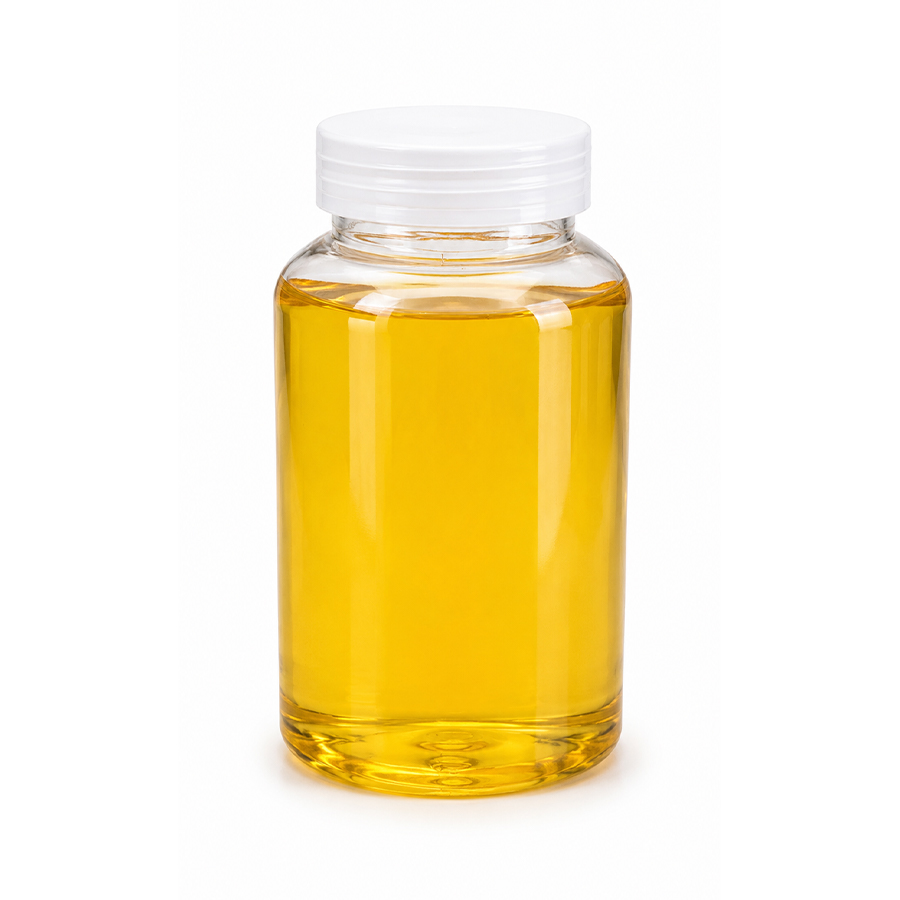

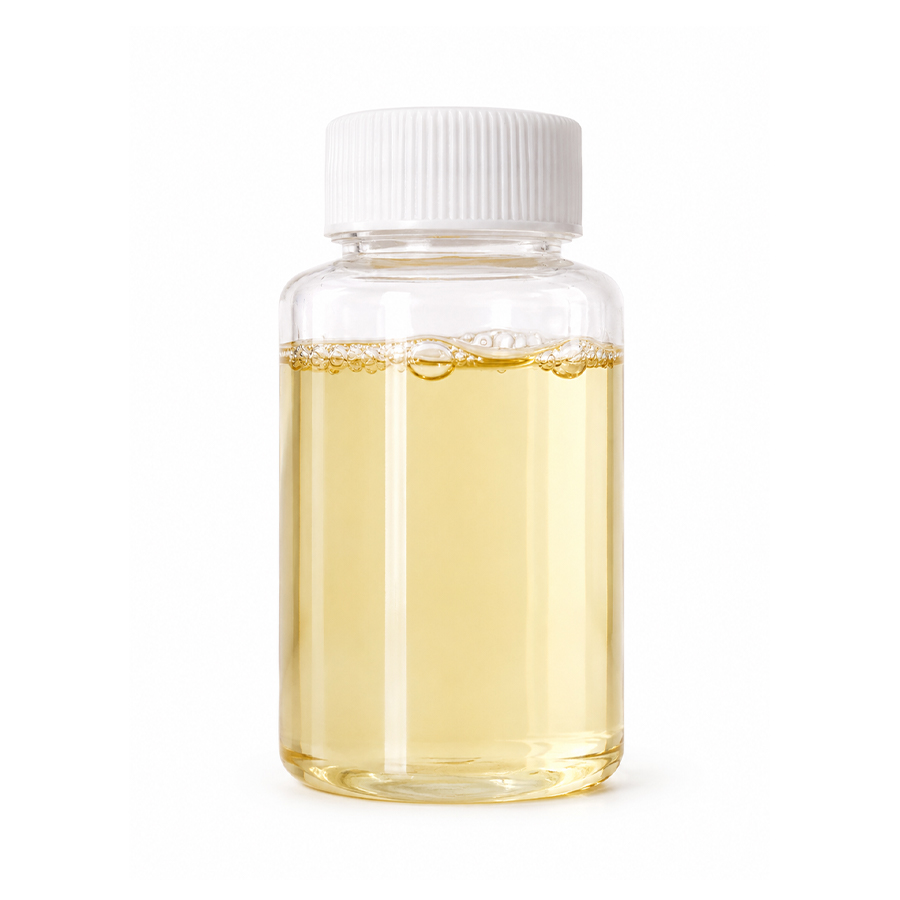
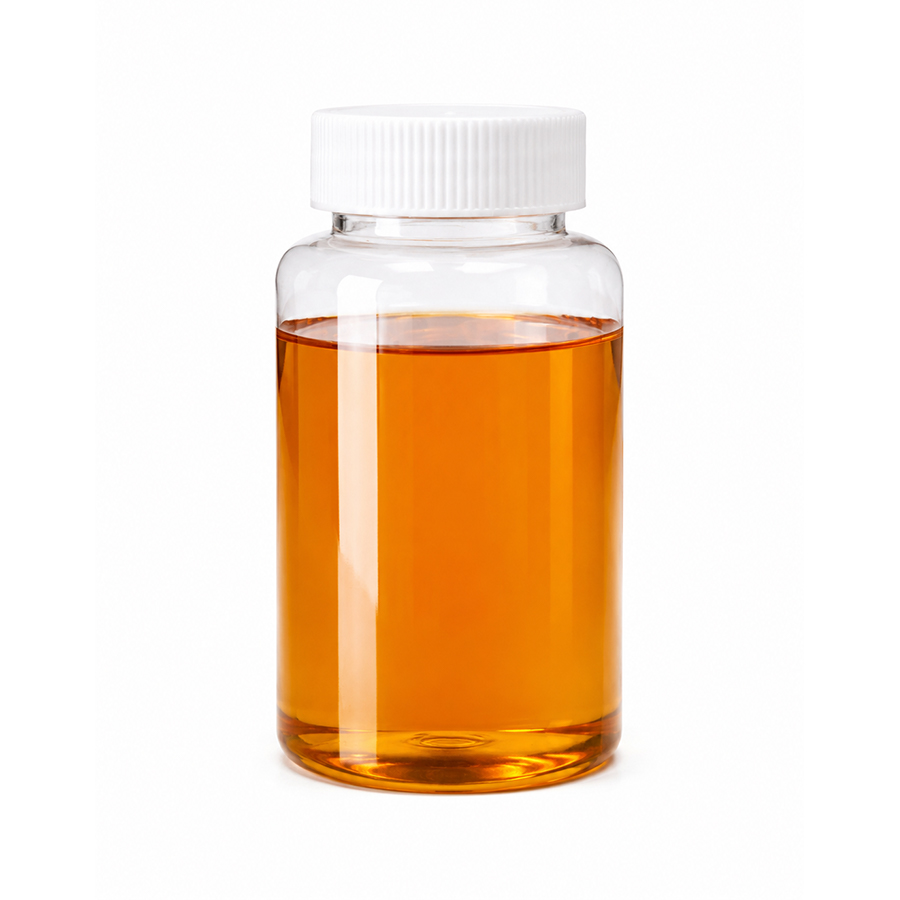
Polyester Anti-Crease Agent
Polyester Anti-Crease Agent is a finishing auxiliary designed to reduce the formation of creases, wrinkles, and permanent press marks on polyester and polyester-rich blends during dyeing, drying, storage, and end use. The product works by relaxing internal stress in the fiber structure and reducing inter-fiber friction, which allows the fabric to recover its shape after compression or folding. It is applied in exhaust or pad processes and is compatible with many finishing systems, including softeners and hydrophilic agents. The range includes APEO-free and formaldehyde-free options that support OEKO-TEX, ISO 14001, and ISO 45001 compliance requirements.
Company Strengths
Four Decades of Auxiliary Manufacturing
Jiangyin Huanan New Material Technology Co., Ltd. has produced textile auxiliaries since 1984 from Jiangyin City, Jiangsu Province, China. Research, development, production, and sales are handled in house, which allows formulation adjustment based on the specific fiber blend and process conditions rather than fixed catalogue supply only.
Two production plants support large volume orders and continuous delivery schedules.
Pre-treatment, post-treatment, and dyeing auxiliaries from one supply source.
Coordinated Finishing System
Anti-crease agents are developed alongside moisture-wicking finishing agents, silicone softeners, hydrophilic silicone polymers, antistatic agents, fixing agents, stiffening agents, and fastness enhancers, so a complete finishing system can be built from one source with reduced compatibility risk.
Environmental Compliance
APEO-free and formaldehyde-free formulations are available. Products are designed to support OEKO-TEX, ISO 14001, and ISO 45001 requirements and restricted substance lists for export markets.
Technical Adjustment Service
Formulation adjustment based on fiber blend, machine type, water quality, and target crease recovery angle. Same-bath compatibility pre-testing guidance provided for combined finishing systems.
Batch Consistency Control
Production control targets consistent active content and performance between batches, supporting stable crease recovery results over long production runs and repeat orders.
Export-Oriented Supply
Packaging and documentation oriented toward international buyers, including regions with specific environmental and restricted substance requirements.
Long-Term Partnership Model
Supply relationships are built around repeat volume, formulation continuity, and mutual growth rather than single-transaction sales.
Core Advantages
Product Characteristics
| Appearance | Clear to slightly hazy liquid |
| Ionic nature | Non-ionic or weakly cationic depending on grade |
| pH value | 5.0 to 7.5 (1 percent aqueous solution) |
| Active content | Varies by grade; refer to individual technical data sheet |
| Solubility | Dispersible in cold to warm water |
| Dosage range | 10 to 40 g/L for pad; 1 to 4 percent owf for exhaust |
| Processing pH | Maintain between 5.5 and 6.5 |
| Processing temperature | Room temperature to 160 degrees Celsius during curing |
| Shelf life | 12 months in original unopened container |
| Storage | Cool, dry area; protect from freezing and direct sunlight |
| Packaging | Standard industrial containers; contact for specific options |
Performance Data
| Crease recovery angle | Improvement measurable against untreated polyester under standard test conditions |
| Crease mark reduction | Reduced permanent press marks after high temperature dyeing and drying |
| Shade change | Delta E typically below 0.5 for most disperse dyed shades under recommended conditions |
| Hand feel | No significant stiffening within the recommended dosage range |
| Wash durability | Crease recovery maintained after repeated home launderings depending on grade and curing |
| Hydrophilicity | Minimal effect on absorbency for non-ionic grades; pre-test for hydrophilic applications |
Application Scenarios
Apparel Fabrics
- Polyester and polyester-rich woven shirtings
- Knitted polyester and elastane blends
- Suiting and uniform fabrics
- Lining fabrics requiring crease recovery
- Garment-dyed polyester items
Home and Technical Textiles
- Bedding and sheeting in polyester blends
- Curtain and drapery fabrics
- Upholstery polyester blends
- Automotive interior polyester fabrics
- Industrial fabrics requiring shape retention
Processing Recommendations
Pad Application
- Dosage 10 to 40 g/L
- Wet pick-up 60 to 80 percent
- Dry at 100 to 120 degrees Celsius
- Cure at 150 to 160 degrees Celsius for 1 to 3 minutes
- Adjust pH with acetic acid before application
Exhaust Application
- Dosage 1 to 4 percent owf
- pH 5.5 to 6.5
- Temperature 40 to 60 degrees Celsius
- Time 20 to 30 minutes
- Drain and dry; rinse depends on the specific grade
Compatibility Notes
- Pre-test with softeners, fixing agents, and repellents
- Charge nature varies by grade and must be matched to the bath
- Use deionized or soft water for dilution
- Pre-dilute before addition to the bath
- Avoid combining directly with strongly anionic auxiliaries
Frequently Asked Questions
Crease marks on polyester usually form when the fabric is folded or compressed at high temperature while internal fiber stress is still present. Polyester is thermoplastic, so creases formed above the glass transition temperature can become set into the fiber structure. Anti-crease agents reduce inter-fiber friction and allow stress relaxation, which lowers the tendency for these marks to become permanent.
Durability depends on the specific grade, the curing conditions, and the laundry temperature. Properly cured anti-crease agents maintain a measurable crease recovery effect after repeated home launderings. For applications requiring higher wash durability, the dosage, curing temperature, and combination with other finishing agents should be adjusted. Pre-testing with the actual fabric and laundry conditions is recommended.
Anti-crease agents are formulated to have minimal impact on shade when applied according to recommended conditions. Delta E values typically remain below 0.5 for most disperse dyed shades. Deeply dyed shades and certain dye classes should be tested for migration and shade change. Pre-testing on the actual fabric and shade before bulk production is advised.
Compatibility depends on the charge nature of both products. Non-ionic and weakly cationic anti-crease grades are generally compatible with many softeners, including silicone softeners and hydrophilic silicone polymers. Direct mixing of incompatible charge types can cause precipitation. Pre-testing in the actual bath combination is recommended, and a two-bath process may be preferred in some cases.
Yes. Anti-crease agents can be applied to polyester and cotton blends, but the effect is mainly on the polyester component. For blends with a high cotton ratio, a cellulosic crosslinking system may also be required to achieve the target crease recovery. The specific grade and dosage should be confirmed with the technical data sheet and pre-tested on the actual blend ratio.
Non-ionic anti-crease grades typically have minimal effect on absorbency. Weakly cationic and some film-forming grades may reduce hydrophilicity depending on the dosage and curing. For applications requiring both crease recovery and moisture management, a hydrophilic softener or moisture-wicking finishing agent can be combined, and absorbency should be pre-tested.
Store in a cool, dry area away from direct sunlight. Protect from freezing below 5 degrees Celsius. If the product freezes, thaw slowly at room temperature and stir before use. Keep containers closed when not in use to prevent contamination. Shelf life is 12 months in the original unopened container under recommended conditions.
Notes on Use and Storage
| Freeze protection | Do not store below 5 degrees Celsius. Thaw slowly and stir if frozen. |
| pH control | Maintain bath pH between 5.5 and 6.5 to avoid reduced performance. |
| Dilution | Pre-dilute before addition. Use deionized or soft water where required. |
| Contamination | Keep containers closed. Avoid contact with incompatible charge types. |
| Safety | Refer to the Safety Data Sheet for handling and personal protective equipment requirements. |
| Ventilation | Use in a well-ventilated area. Avoid breathing vapors or mists. |
| Disposal | Dispose of contents and container in accordance with local and national regulations. |
Better Textile Auxiliaries Superior Quality
View MoreWe take pride in offering eco-friendly formulations, including APEO-free and formaldehyde-free options, to help our customers comply with international environmental regulations such as OEKO-TEX, ISO 14001, and ISO 45001. Jiangyin Huanan delivers quality, consistency, and value. We are committed to building long-term partnerships based on trust, innovation, and mutual growth, serving customers.
-
1984
Established In
-
02
Production Plants
-
60000
Tons Annual Capacity