


 English
 中文简体

Silicone Oil for Textile Finishing | Selection, Chemistry & Application Guide
Content
A finishing mill pads a 100% cotton jersey lot with 32 g/L of a standard amino silicone emulsion. The hand feel passes on day one, but after three industrial laundry cycles the fabric turns harsh and the buyer rejects the shipment. The real fault is usually a silicone oil for textile finishing selection or stability issue, not a dosing error.
Choosing the right silicone oil for textile finishing controls softness, hydrophilicity, yellowing resistance and wash durability in one decision. Polymer chemistry, emulsifier system and application parameters act as a single unit, so judging them separately at the lab bench misses the failure that appears in production. Jiangyin Huanan New Materials Technology Co., Ltd. (Huanan), a finishing auxiliaries manufacturer founded in 1984 with two production plants and 60,000 tons of annual capacity, sees this failure pattern in nearly every batch of corrective samples it tests.
What Silicone Oil for Textile Finishing Does at the Fiber Level
Silicone oil for textile finishing deposits a thin polysiloxane film on each fiber surface, lowering inter-yarn friction and delivering the soft, smooth, elastic or matte hand that defines premium finishing.
The polydimethylsiloxane backbone is one of the most flexible polymer chains in wet processing, and pendant methyl groups create a very low surface energy, so padded fabric slides through sewing needles and cutting tables without resistance. Grafted functional groups, such as amino for softness, epoxy for elasticity and polyether for hydrophilicity, give the silicone oil affinity to cotton, polyester, nylon and wool, which makes the film durable enough to survive repeated washing.
Amino vs. Block Copolymer Silicone Oil for Textile Finishing
Amino silicone oil remains the default for bulk softening, but multiblock copolymer silicone oil is the better route when the fabric must stay soft after washing, resist yellowing and remain hydrophilic.
Standard amino silicone oil carries amine groups that anchor a very soft film to the fiber. The same amine chemistry oxidizes during curing and storage, yellowing whites and pastels, and it blocks moisture transport. Block copolymer silicone oils alternate short siloxane segments with polyether or organic segments, so the film bonds through stable polar or covalent interactions instead of relying on amine adhesion alone.
Standard Amino Silicone Oil
- Excellent initial softness and bulk
- Lowest cost per kilogram
- Yellows on whites and heat-setting
- Reduces fabric absorbency
- Moderate shear and electrolyte stability
- Softness drops after several washes
Multiblock Copolymer Silicone Oil
- Balanced soft-to-smooth hand, lower bulk
- Higher material cost
- Very low yellowing
- Hydrophilic grades preserve rewetting
- High shear, acid and electrolyte stability
- Softness remains after 10+ washes
| Chemistry | Hand feel | Yellowing | Hydrophilicity | Stability | Typical use |
| Amino silicone | Very soft, bulky | High | Low | Moderate | Cotton knits, daily wovens |
| Epoxy-modified | Dry, elastic | Low | Low | Good | Technical fabrics, stretch denim |
| Polyether-modified | Smooth, light | Very low | High | Moderate durability | Moisture management, antistatic |
| Multiblock copolymer | Balanced soft-smooth | Very low | High | Excellent | Whites, towels, sportswear |
If the buyer tests only fresh swatches, amino silicone oil wins many trials. If the buyer tests after five washes, block copolymers almost always win, so test five washes, not one.
Huanan formulates its multiblock copolymer silicone oil HN578 for mills that need the balanced profile shown in the chart, with a built-in emulsifier system that resists jet shear.
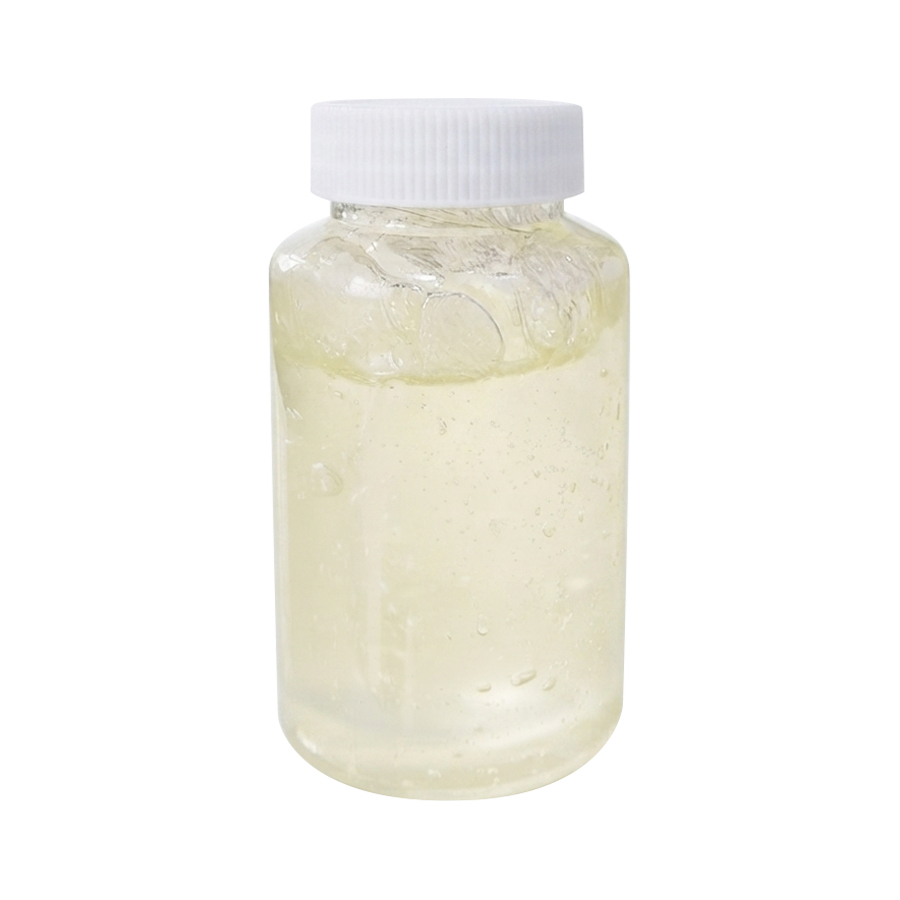
 HN578 Multi-Block Copolymer Silicone Oil for Versatile Fabric FinishingThis high-solid block silicone oil supports self-emulsification and adjustable solvent ratios, producing soft, fine hand on polyester, nylon, cotton, and wool. Its built-in emulsifier suits jet shear conditions mentioned in the surrounding text.View Product →
How to Select Silicone Oil for Textile Finishing by Fabric Type
Selection starts with the fiber surface chemistry and the end use: cellulosics and white goods need hydrophilic, low-yellowing block grades; polyester and nylon tolerate amino grades when the bath is stable; wool needs low-pH, low-yellowing systems that protect the handle.
- Cotton, viscose and rayon: hydrophilic block copolymers preserve rewetting and prevent yellowing; amino grades work for dark, heavy goods.
- Polyester and microfibers: high shear stability is mandatory for jet dyeing; smooth-elastic grades reduce pilling in blended sportswear.
- Wool and wool blends: use wool-specific oils stable at pH 5.0-6.0 that keep the fiber smooth, bright and low-yellowing.
- Nylon: combine the softener with an antistatic agent to prevent static cling in lingerie and linings.
When the product will run in a jet for 30-60 minutes at high pump speed, confirm that the emulsion survives a shear test; a shear-stable silicone emulsion is the safer route for this process.
Confirm the active silicone content and emulsifier solids before scaling up the pad recipe.
Check the pH window of the emulsion against your bath chemistry and residual agents.
Run a five-wash durability test, not a single application test.
Verify hydrophilicity with AATCC 79 wetting time if absorbency is specified.
For cotton towels and athleisure knits where absorbency is a measured parameter, Huanan's hydrophilic soft-loose silicone oil HN9880 keeps rewetting time inside the specified limit while delivering a loose, non-bouncy hand.
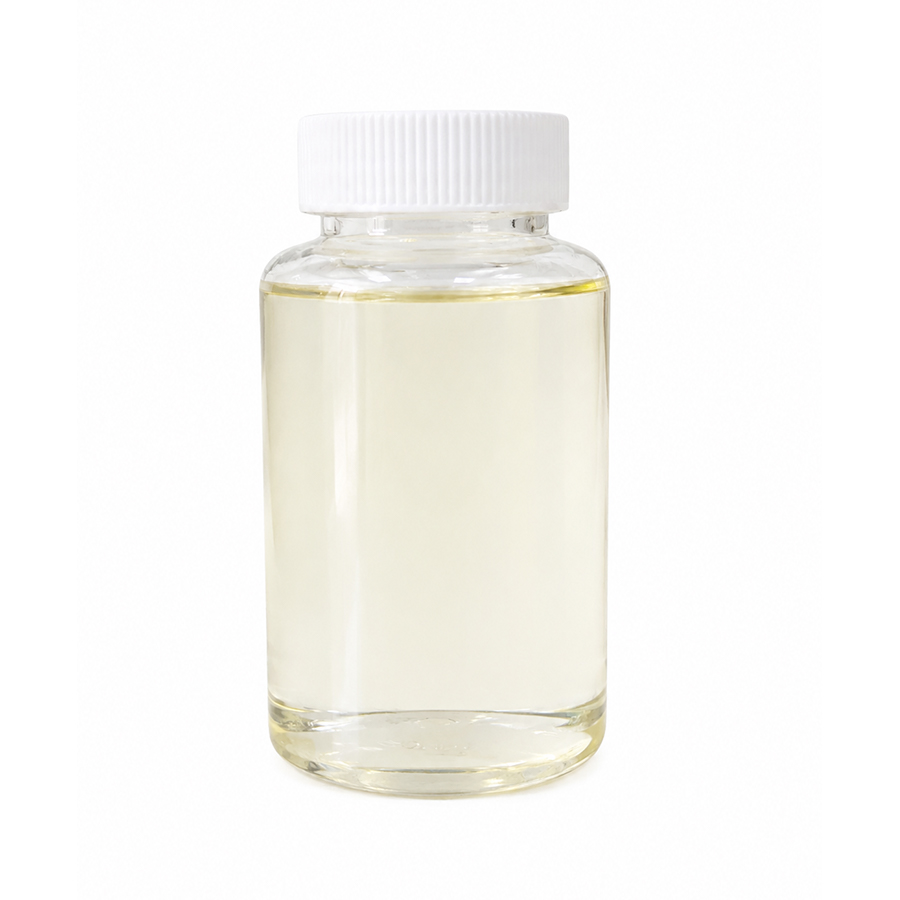
 Hydrophilic Soft-Loose Silicone Oil HN-9880 for Absorbent KnitsDesigned for high-count cotton/spandex and long-staple cotton knits, this block copolymer delivers a loose, non-bouncy hand while maintaining rewetting time. Its Oeko-TEX compliant formulation aligns with the absorbency requirements discussed nearby.View Product →
Application Parameters That Decide Silicone Oil Performance
The best silicone chemistry fails when the application parameters drift: bath pH above 6.5, over-shearing during dilution, or curing below 150°C all change the final hand and durability.
Prepare the emulsion. Dilute the concentrated silicone oil slowly under gentle agitation; shock-diluting with cold water breaks the emulsifier film.
Set the bath pH. Adjust to 5.0-6.0 with acetic acid so the film bonds consistently.
Apply. Pad at 20-40 g/L of a 15-30% emulsion, or exhaust at 2-4% owg, keeping the bath at 25-40°C.
Dry and cure. Dry at 100-120°C and cure at 150-170°C for 30-60 seconds on cellulose; adjust for synthetics.
Validate. Check hand, wetting, yellowing and shear stability before bulk release.
- Creaming or cracking in the jet: reduce shear or switch to a block copolymer grade.
- Yellowing on whites: lower the amine value or use a non-yellowing fabric softener.
- Hydrophilicity loss: avoid standard amino grades on absorbency-tested fabrics.
- Spotting on the pad: check compatibility with residual dyeing and leveling auxiliaries.
Knitted sportswear and stretch wovens need a smooth-elastic finish that recovers after stretching; Huanan's smooth-elastic silicone oil HN1800 is dosed in the same 20-40 g/L window and withstands jet machine circulation.
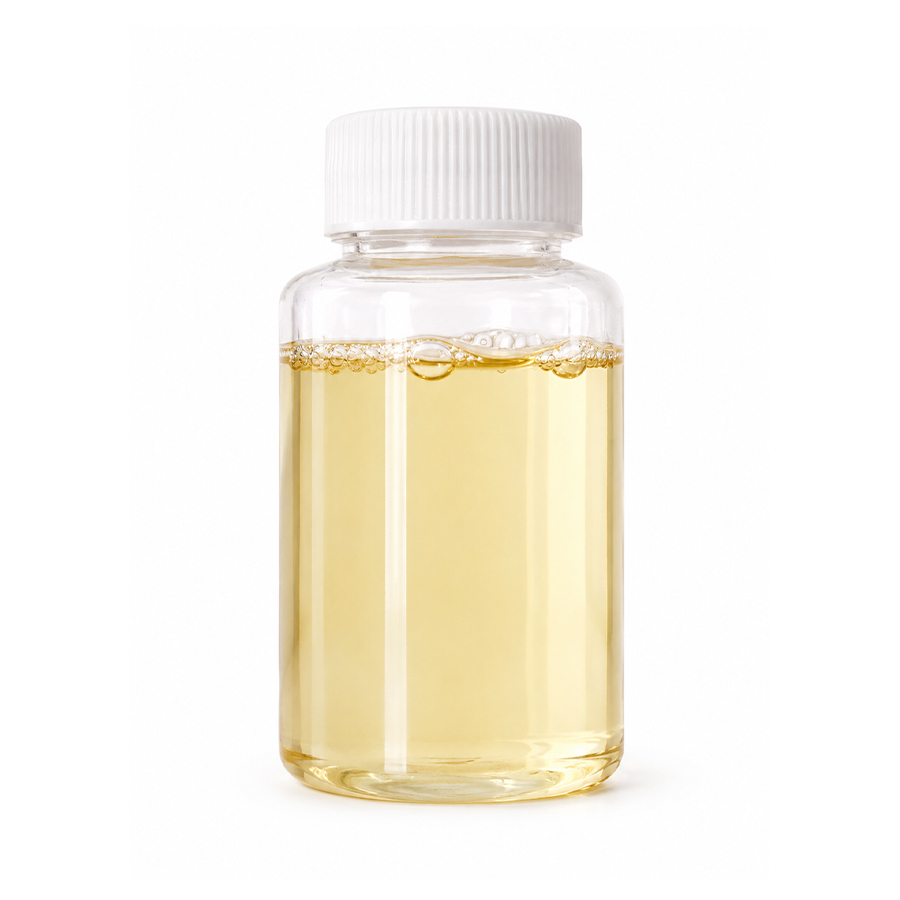
 HN-1800 Smooth-Elastic Silicone Oil for Stretch FabricsA terblock copolymer engineered for smooth-elastic finishes that recover after stretching. It withstands jet machine circulation, matching the 20-40 g/L dosage window noted for sportswear and stretch wovens, and meets environmental compliance.View Product →
Frequently Asked Questions
What is the difference between amino and block copolymer silicone oil?
Amino silicone oil gives a very soft initial hand at low cost, but it yellows, reduces hydrophilicity and loses performance after washing. Block copolymer silicone oil bonds durably, stays hydrophilic, resists yellowing and survives more than ten industrial washes, making it the right choice for white goods, towels and sportswear.
How much silicone oil should be used for textile finishing?
Start with 20-40 g/L in a pad bath of a 15-30% emulsion, or 2-4% owg in exhaustion on a jet. The final dose depends on fabric construction, target hand and previous chemicals; validate on a small batch before bulk production.
Why does the fabric lose softness after the first wash?
Usually because the film was not anchored: bath pH was too high, curing stayed below 150°C, or the amino grade hydrolyzed and washed out. Block copolymer grades with durable bonding reduce this failure significantly.
Can silicone oil be used with water repellent finishes?
Yes, but the silicone must be non-migrating and compatible in the same bath. Some amino oils over-lubricate the surface and lower the repellency spray rating, so test blends at several ratios and check the spray grade before production.




Contact us
huanannewmaterials@gmail.com
-
 Phone: +86 - 13861620767
-
 Fax: +86-0510-86200939
-
 298 Hongxing Road, Huashi Town, Jiangyin City, Wuxi City, Jiangsu Province, China
Product links
Mobile App
Copyright © Jiangyin Huanan New Materials Technology Co., Ltd. All Rights Reserved

-
huanannewmaterials@gmail.com
-

-

-
+86 - 13861620767