


 English
 中文简体

Hydrophilic Silicone Oil for Textiles: Properties, Selection, and Mill Testing
Content
A standard finishing trial exposes the tradeoff: a cotton terry towel padded with a conventional amino microemulsion dries soft but holds a water droplet on its surface for more than three minutes. Swap to hydrophilic silicone oil at the same pickup and the droplet disappears in under five seconds. Hydrophilic silicone oil resolves the oldest conflict in textile softeners — softness at the expense of absorbency. This guide explains how it works on fiber, which test numbers separate a reliable grade from a marketing claim, and how to choose one for cotton, synthetics, and blends.
The production stakes are measurable. Towels, medical gauze, baby wear, and hygiene nonwovens commonly fail acceptance when droplet absorbency exceeds five seconds. Finishers who pick the wrong softener base sacrifice either handle or water transport and re-run whole lots. The method below mirrors how technical teams at Jiangyin Huanan New Materials Technology Co., Ltd., a textile auxiliaries manufacturer founded in 1984 with 60,000 tons of annual capacity, evaluate softener candidates before scale-up.
What Is Hydrophilic Silicone Oil?
Hydrophilic silicone oil is a modified siloxane whose backbone carries polyether or amine-polyether segments that give the dried film an affinity for water. Standard polydimethylsiloxane is hydrophobic by construction: its methyl groups form a low-energy film that rejects moisture. Grafting ethylene oxide and propylene oxide chains onto that backbone changes the surface balance — silicone supplies the soft, lubricated hand while the polyether segments create continuous channels for water movement.
Structure controls durability as much as softness. Pendant polyether films stay absorbent but wash off gradually; block copolymers with reactive silane or epoxy end groups bond to fiber hydroxyls and amide groups. In production trials, reactive block grades typically retain 80% of initial absorbency after 20 domestic washes, while simple polyether blends drop to half that within five. This is why a finishing plant needs more than one hydrophilic product grade on the shelf.
For general wet processing, a stable neutral microemulsion such as Jiangyin Huanan's HN9916 provides the benchmark 3-6 s absorbency on bleached cotton with a mid-soft handle.
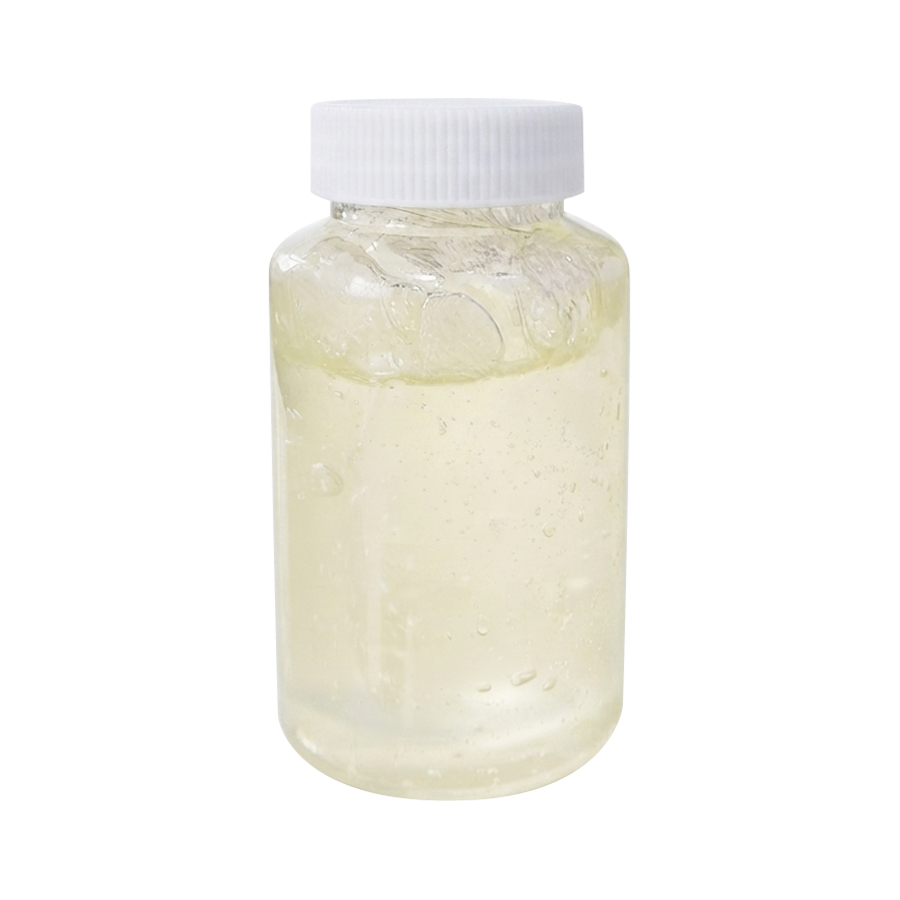 Polyether-Modified Hydrophilic Silicone Oil HN-9916This water-soluble silicone softener concentrate offers APEO-free, low-yellowing performance with rapid cold/hot water miscibility, making it a reliable benchmark for absorbency and softness in wet processing.View Product →
Properties and Benchmarks That Define a Reliable Grade
Four measurements separate a good grade from a weak one: droplet absorbency, wicking height, yellowing after cure, and shear stability. A soft hand without absorbency fails the softener's purpose on absorbent textiles, so all four are checked on the same swatch.
The spread between chemistries is wide. Amino microemulsions dominate handle but sacrifice absorbency; simple polyether additives restore rewetting but shear out in jet machines; block copolymers hold both properties. The chart below plots droplet absorbency after one pad-dry-cure cycle on bleached cotton.
The table compares the same chemistries across six criteria. Values are typical ranges from finishing trials, not universal specifications.
| Softener chemistry | Droplet absorbency | Softness | Wash durability | Shear stability | Yellowing |
| Standard amino microemulsion | >120 s | Excellent | Moderate | High | Moderate |
| Polyether amino microemulsion | 15-30 s | Good | Moderate | High | Low |
| Hydrophilic block copolymer | 3-8 s | Excellent | High | High | Low |
| Non-silicone cationic softener | 1-3 s | Good | Low | Moderate | Moderate |
The fastest pre-production check is a 5 g/L dispersion stirred at 1000 rpm for 30 minutes at bath temperature; creaming or deposit means rejection. Production-proven products such as Huanan's HN8686 hydrophilic soft-smooth silicone oil pass this test at 50 °C and hold droplet absorbency under 6 s on cotton knit.
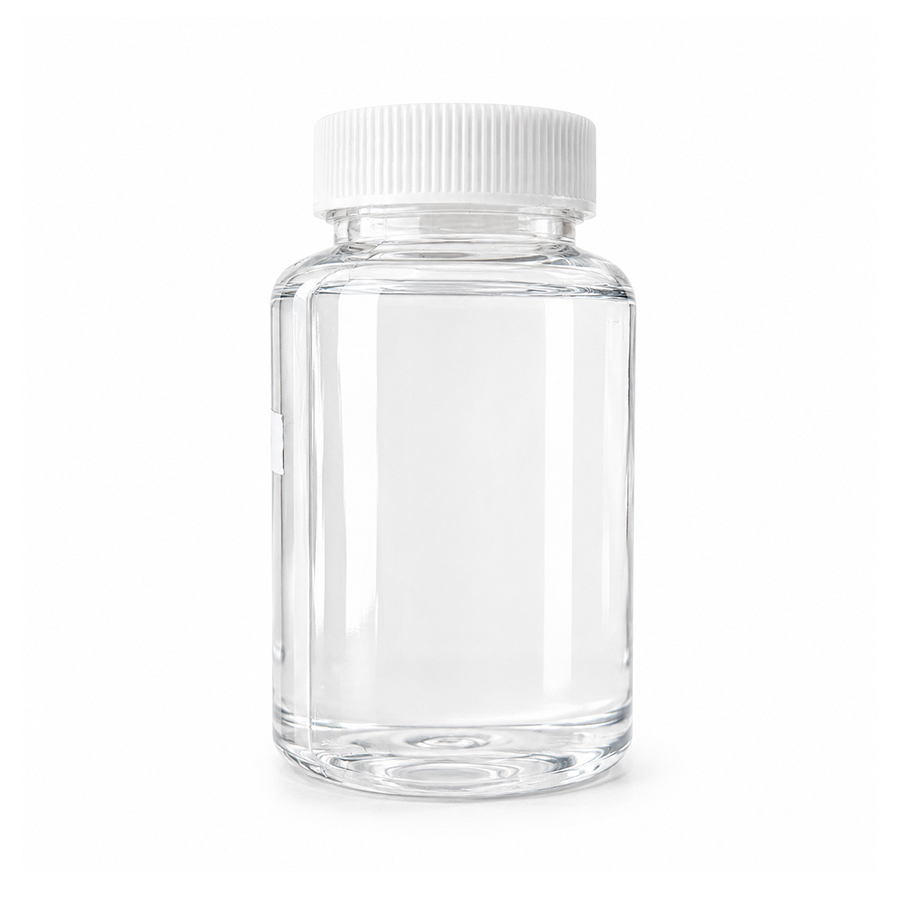 Hydrophilic Soft Smooth Silicone Oil HN8686A next-generation hydrophilic softener that combines soft-smooth hand feel with excellent hydrophilicity, antistatic and stain-resistant properties, plus stable dispersion and re-dyeability for cotton and blends.View Product →
Choosing Hydrophilic Silicone Oil by Fiber and Process
Select by fiber absorbency requirement first, then by equipment, because shear stability and ionic compatibility cause more mill failures than softness performance does. Each fabric family has a different water-transport target and a different tolerance for silicone add-on.
Cotton, Terry, and Medical Gauze
Strictest target: 5 s or less. Dose 0.3-0.8% owf exhaust or 20-40 g/L pad with soft-loose or soft-smooth grades. From pretreatment through final softening, the cotton processing auxiliaries line is built to keep fabric absorbent at every stage.
Polyester, Nylon, and Activewear
Moisture-management fabrics need wicking, not just surface wetting. Use microemulsions under 120 nm particle size so the film penetrates filament yarns; confirm low yellowing on whites. Typical jet dose 0.5-1.0% owf.
Wool and Wool Blends
Wool requires low drying temperatures and no strong alkali. Hydrophilic wool-grade silicones soften without felting; fleece absorbency is usually secondary to bulk and elongation.
Exhaust application
- Particle size under 120 nm preferred
- Pass 1000 rpm shear test for 30 min at 60 °C
- Electrolyte tolerance for salt and dyebath residues
- Typical dose 0.3-1.0% owf
Pad application
- Higher solids efficiency per pickup
- Low foam for bath recirculation
- No creaming after 8 h standing
- Typical dose 20-40 g/L
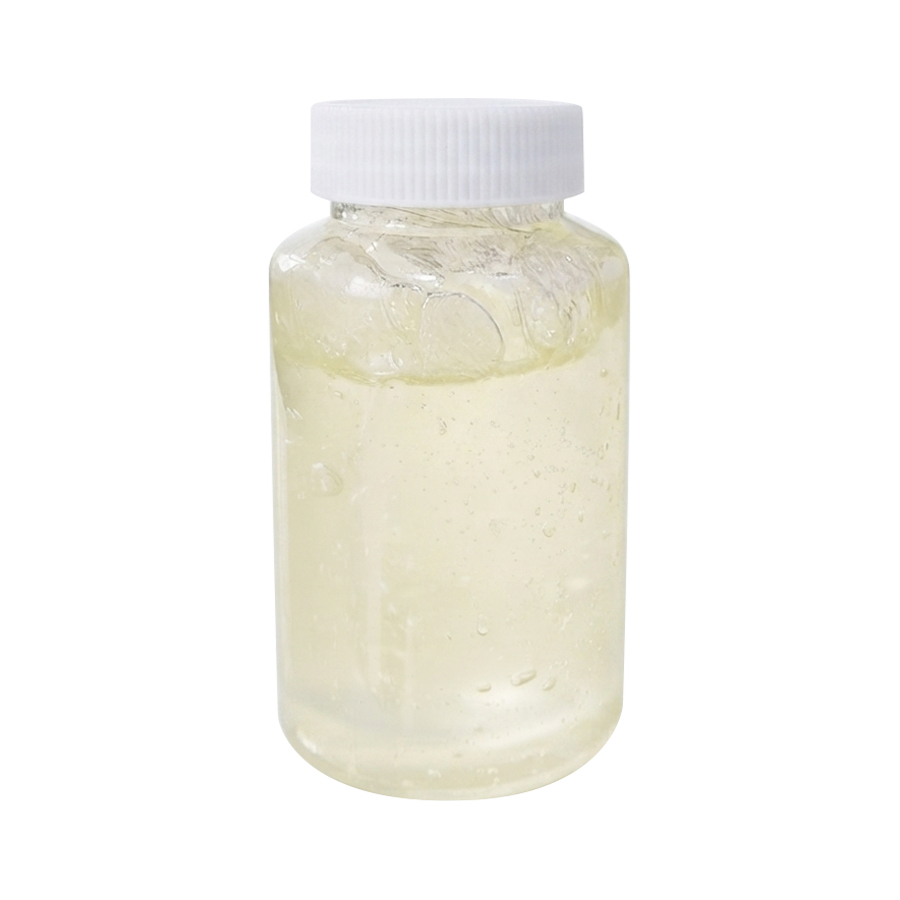
For voluminous cotton knit, Huanan's HN9880 soft-loose hydrophilic silicone delivers a fluffy pile with droplet absorbency below 5 s at 30 g/L pad. Confirm the lot viscosity range on arrival — drifting viscosity is the first sign of a broken emulsion.
 Hydrophilic Soft Loose Silicone Oil HN-9880A block-copolymer silicone engineered for voluminous, loose comfort on high-count cotton and spandex knits, offering low droplet absorbency and environmental compliance with Oeko-TEX 100 standards.View Product →
Common Application Failures and How to Fix Them
Most hydrophilic softener failures trace to overdosing, shearing, or mixing incompatibility rather than to the chemistry itself. These five corrections cover the issues that return to technical service most often.
- Emulsion creaming in the jet. White scum after 20 minutes usually means oversized droplets shocked by electrolyte. Dilute the softener 1:1 with 40 °C water and dose at the pump, not into a cold bath.
- Absorbency lost after resin finishing. Glyoxal resin crosslinks cellulose and blocks the polyether film. Apply the softener after curing, or add a rewetting agent to the resin bath, then retest the droplet the same day.
- Yellowing on whites and pale blues. High amine content with cure above 175 °C drives the b* value up. Switch to low-amine or non-amine polyether grades — the same chemistry platform used in non-yellowing fabric softeners — and measure the cured swatch before the full lot.
- Greasy fabric. Above roughly 1% owf silicone forms excess surface layers. Run a dosage ladder at 0.3, 0.5, and 0.8% owf; the lowest level meeting handle is the correct one.
- Batch drift between deliveries. Viscosity differences in the crude oil shift pickup and absorbency. Request the 25 °C viscosity range and re-test the 5 g/L dispersion with each new drum.
Hydrophilic Silicone Oil FAQs
How does hydrophilic silicone oil differ from amino silicone oil?
Amino silicone oil bonds through amine groups for softness but leaves a hydrophobic surface. Hydrophilic silicone oil inserts polyether segments into the same backbone, so the film transports water while the siloxane keeps the softness. The effect is measurable: droplet absorbency improves from minutes to seconds.
Is hydrophilic silicone oil non-yellowing?
Polyether-modified and block-copolymer grades are inherently low-yellowing because their amine content is reduced or blocked. In curing trials at 180 °C for two minutes, well-formulated grades keep the b* shift below 1.0 on bleached cotton.
How should a mill test hydrophilicity?
Drop one drop of deionized water on a conditioned, flat swatch and time until the specular reflection disappears. Run five drops and take the median. Acceptance for absorbent cotton textiles is typically 5 s or less; some brand programs require 3 s.
Can hydrophilic silicone oil be used in jet dyeing machines?
Yes, if the product is a microemulsion or fine block-copolymer emulsion under 150 nm and passes a 30-minute high-shear test at use temperature. Block-copolymer hydrophilic oils run routinely in jet exhaust at 40-60 °C in mills supplied by Jiangyin Huanan.




Contact us
huanannewmaterials@gmail.com
-
 Phone: +86 - 13861620767
-
 Fax: +86-0510-86200939
-
 298 Hongxing Road, Huashi Town, Jiangyin City, Wuxi City, Jiangsu Province, China
Product links
Mobile App

-
huanannewmaterials@gmail.com
-

-

-
+86 - 13861620767