


 English
 中文简体


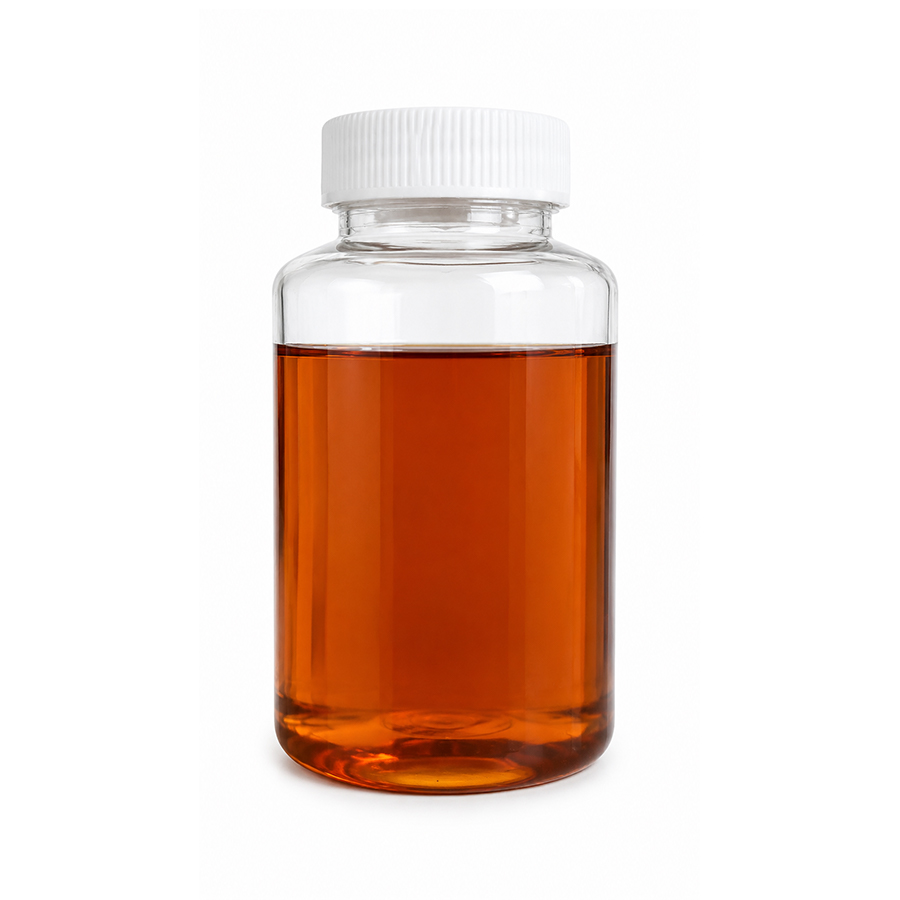
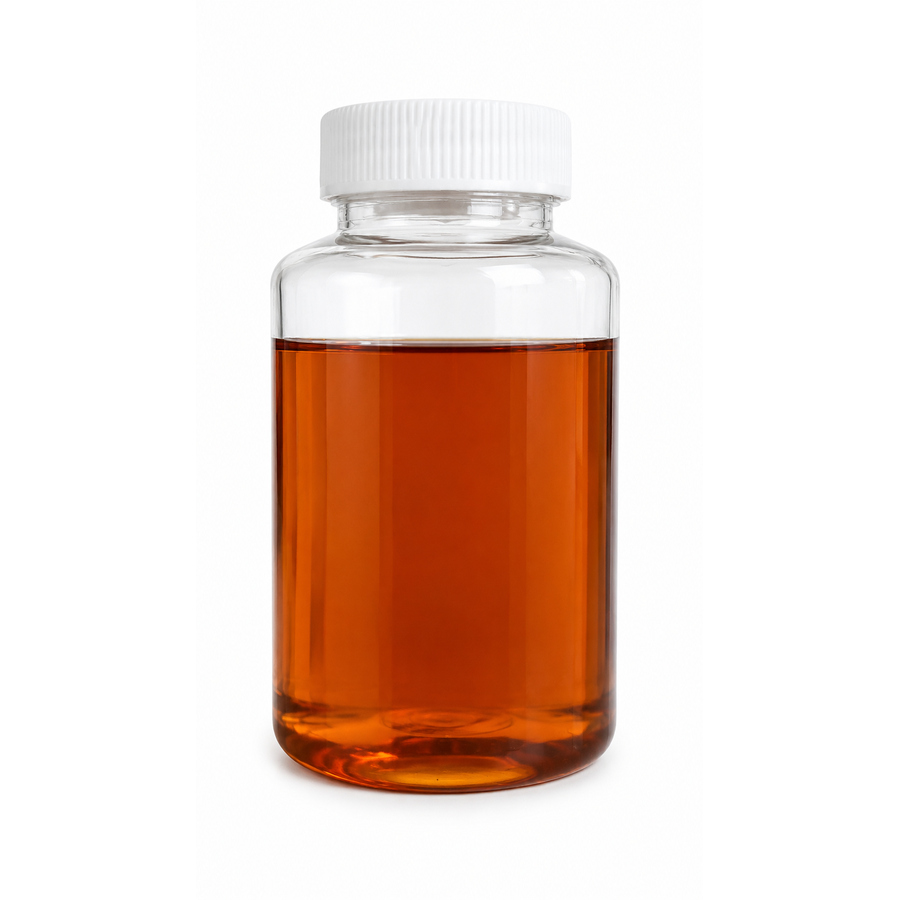
Polyester Weight Reduction Agent
Company Strengths
Jiangyin Huanan New Material Technology Co., Ltd. has produced textile auxiliaries continuously from Jiangyin City, Jiangsu Province, China, with research, development, production, and sales handled in house.
Two production plants support large volume orders and continuous delivery schedules without reliance on external toll manufacturing.
Pre-treatment, post-treatment, and dyeing auxiliaries supplied from one source with coordinated formulation logic.
Combined capacity supports both large repeat orders and smaller specialty batches for polyester finishing.
Weight reduction agents are developed alongside levelness enhancers, dye migration inhibitors, oligomer removal agents, high-concentration repair agents, low-temperature environmentally friendly carriers, soaping agents, and fixing agents, so a complete polyester processing system can be built from one supply source with reduced compatibility risk.
APEO-free and formaldehyde-free formulations are available. Products are designed to support OEKO-TEX, ISO 14001, and ISO 45001 requirements and restricted substance lists for export markets.
Formulation adjustment based on fiber type, target weight loss percentage, machine configuration, alkali system, and water quality. Process parameter pre-testing guidance provided for combined polyester processing systems.
Production control targets consistent active content and hydrolysis acceleration between batches, which supports repeatable weight loss results over long production runs.
Formulation options that support controlled weight loss while limiting excessive tensile strength loss in the treated fabric.
Packaging and documentation oriented toward international buyers, including regions with specific environmental and restricted substance requirements.
Core Advantages
Hydrolysis Acceleration
Accelerates the reaction between alkali and polyester surface under controlled high temperature conditions.
Even Weight Loss
Promotes uniform hydrolysis across the batch to reduce side-to-side and end-to-end variation in weight loss.
Hand Feel Modification
Produces a softer, more drapable hand feel as surface fiber is removed in a controlled manner.
Controlled Strength Loss
Formulated to limit excessive tensile strength loss when weight loss is kept within the recommended range.
Surface Uniformity
Reduces surface unevenness and patchy hydrolysis that can appear on tightly woven and high twist fabrics.
Process Flexibility
Suitable for exhaust and continuous processes on polyester and polyester-rich blends.
Dyeing Compatibility
Can be applied before or combined with dyeing depending on the process sequence and the target shade.
Eco Formulation
APEO-free and formaldehyde-free options for restricted substance compliance.
Product Characteristics
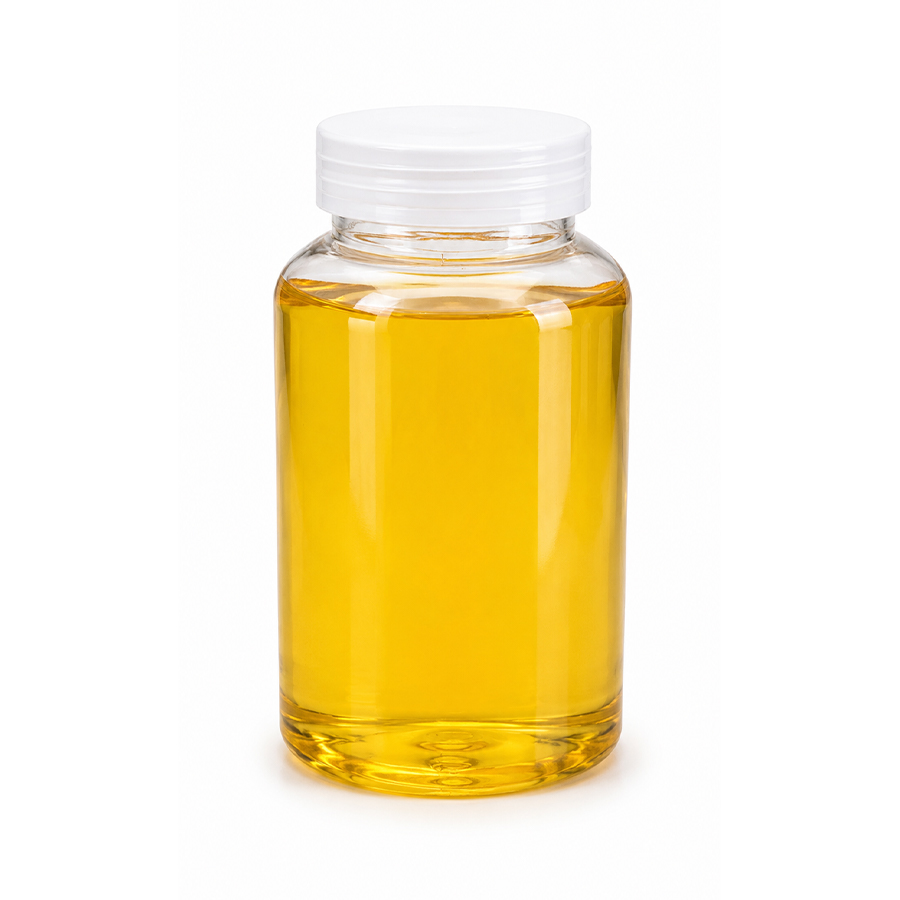
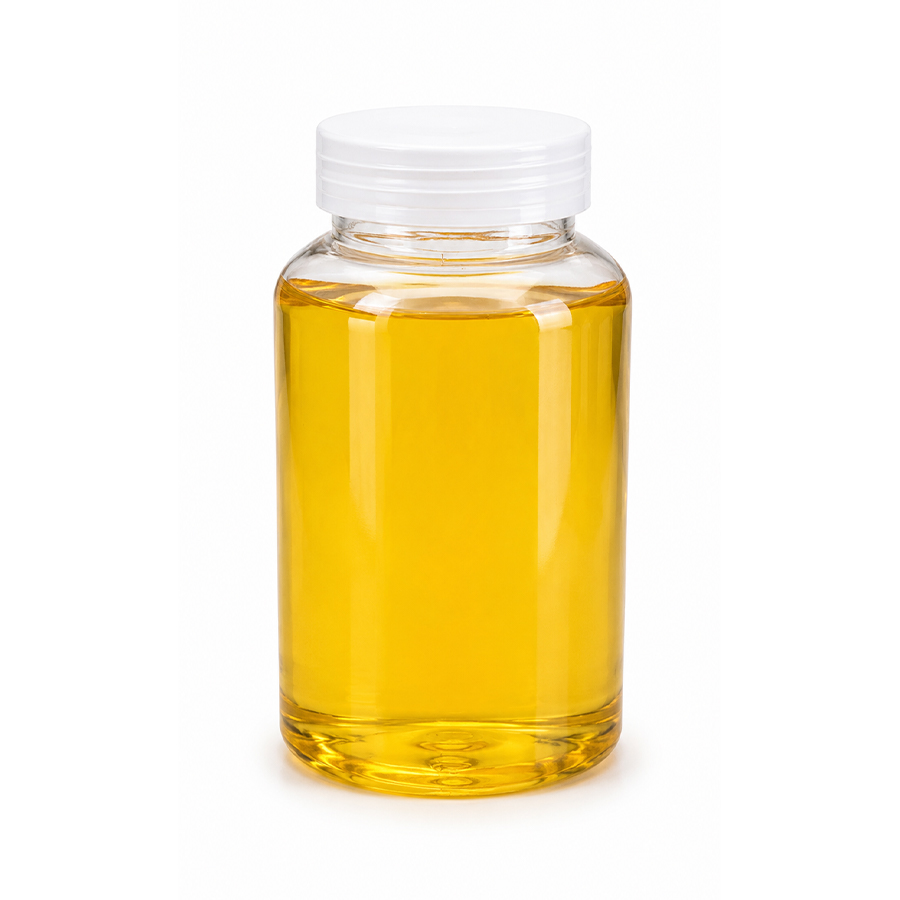
Physical Form
Application Data
Storage and Handling
Performance Data
| Weight loss control | Target weight loss percentage achieved within a repeatable range when process parameters are held constant |
| Weight loss uniformity | Reduced side-to-side and end-to-end variation compared to uncontrolled alkaline hydrolysis |
| Hand feel | Softer and more drapable hand feel after controlled surface hydrolysis |
| Tensile strength | Reduced loss compared to uncontrolled hydrolysis at the same weight loss level |
| Surface appearance | Reduced surface unevenness and patchy hydrolysis on woven and high twist fabrics |
| Shade change | Delta E typically below 0.5 for most disperse dyed shades under recommended conditions |
| Dyeability | Modified surface supports dye uptake; sequence and conditions must be pre-tested |
Application Scenarios
Polyester Wovens
Lightweight woven polyester fabrics where weight reduction improves drape and softness.
Polyester Knits
Knitted polyester and polyester-elastane blends where surface modification improves hand feel.
Simulated Silk Fabrics
Polyester fabrics processed to achieve a softer, more drapable character similar to silk.
Crepe and High Twist Fabrics
High twist and crepe style fabrics where controlled hydrolysis supports texture development.
Microfiber Fabrics
Microfiber polyester where controlled weight loss supports the characteristic soft hand feel.
Technical Fabrics
Industrial polyester fabrics where surface modification supports downstream processing.
Processing Recommendations
Dosage 0.5 to 3 g/L depending on target weight loss. Add alkali as per the process recipe. Run at 110 to 130 degrees Celsius for 20 to 60 minutes. Rinse thoroughly after the hydrolysis stage.
Applied in pad or saturator systems followed by steaming or dwell. Dosage and dwell conditions depend on the target weight loss and fabric construction. Confirm from the technical data sheet for the specific grade.
Weight loss is controlled by the combination of dosage, alkali concentration, temperature, and time. Pre-testing is required to establish the process window for each fabric type and target level.
Thorough rinsing after the hydrolysis stage removes dissolved fiber fragments and residual alkali. Incomplete rinsing can affect subsequent dyeing and finishing results.
Frequently Asked Questions
Weight loss is controlled by the combination of agent dosage, alkali concentration, processing temperature, and processing time. Higher temperature and longer time increase hydrolysis, while lower values reduce it. Because the relationship between these parameters and the final weight loss depends on the specific fiber and fabric construction, pre-testing is required to establish the process window for each target level. Pre-testing also helps avoid excessive strength loss at high weight loss levels.
Controlled surface hydrolysis removes a small amount of surface fiber and therefore reduces tensile strength to some degree. The extent depends on the weight loss level and the process conditions. Higher weight loss produces lower strength. The agent is formulated to support controlled weight loss while limiting excessive strength loss within the recommended range. Pre-testing tensile strength at the target weight loss level is recommended, particularly for fabrics with demanding strength requirements.
Yes. Weight reduction can be carried out before dyeing, and the modified surface may affect dye uptake. The sequence and conditions must be pre-tested for the specific dye class and shade. In some processes weight reduction and dyeing are combined in a single bath, while in others they are separate stages. The choice depends on the target weight loss, the dye class, and the equipment available.
Uneven weight loss can result from uneven alkali distribution, uneven liquor circulation, temperature gradients within the machine, or fabric packing that restricts flow. The agent promotes uniform hydrolysis but cannot fully compensate for machine or loading issues. Even liquor circulation, correct loading, and controlled alkali addition support uniform results. Pre-testing on the actual machine configuration is recommended.
Polyester and elastane blends require careful process control because elastane is sensitive to high temperature and alkaline conditions. Weight reduction on blends must be carried out within a process window that limits damage to the elastane component. The specific grade and process conditions should be confirmed from the technical data sheet and pre-tested on the actual blend ratio and elastane content.
When applied within the recommended conditions, the effect on shade is limited and Delta E typically remains below 0.5 for most disperse dyed shades. Because weight reduction modifies the fiber surface, it can affect dye uptake if applied before dyeing. The shade result depends on the process sequence, dye class, and weight loss level, and pre-testing on the actual fabric and shade is advised.
Store in a cool, dry area away from direct sunlight. Protect from freezing below 5 degrees Celsius. If the product freezes, thaw slowly at room temperature and stir before use. Keep containers closed when not in use to prevent contamination. Shelf life is 12 months in the original unopened container under recommended conditions.
Notes on Use and Storage
| Freeze protection | Do not store below 5 degrees Celsius. Thaw slowly and stir if frozen. |
| Process pre-testing | Establish the process window for each fabric type and target weight loss before bulk production. |
| Strength monitoring | Test tensile strength at the target weight loss level for fabrics with strength requirements. |
| Rinsing requirement | Thorough rinsing is required to remove dissolved fiber fragments and residual alkali. |
| Alkali handling | Follow standard safety procedures for alkaline process chemicals. |
| Contamination | Keep containers closed. Avoid contact with incompatible charge types. |
| Safety | Refer to the Safety Data Sheet for handling and personal protective equipment requirements. |
| Ventilation | Use in a well-ventilated area. Avoid breathing vapors or mists. |
| Disposal | Dispose of contents and container in accordance with local and national regulations. |
Better Textile Auxiliaries Superior Quality
View MoreWe take pride in offering eco-friendly formulations, including APEO-free and formaldehyde-free options, to help our customers comply with international environmental regulations such as OEKO-TEX, ISO 14001, and ISO 45001. Jiangyin Huanan delivers quality, consistency, and value. We are committed to building long-term partnerships based on trust, innovation, and mutual growth, serving customers.
-
1984
Established In
-
02
Production Plants
-
60000
Tons Annual Capacity