


 English
  中文简体
中文简体 
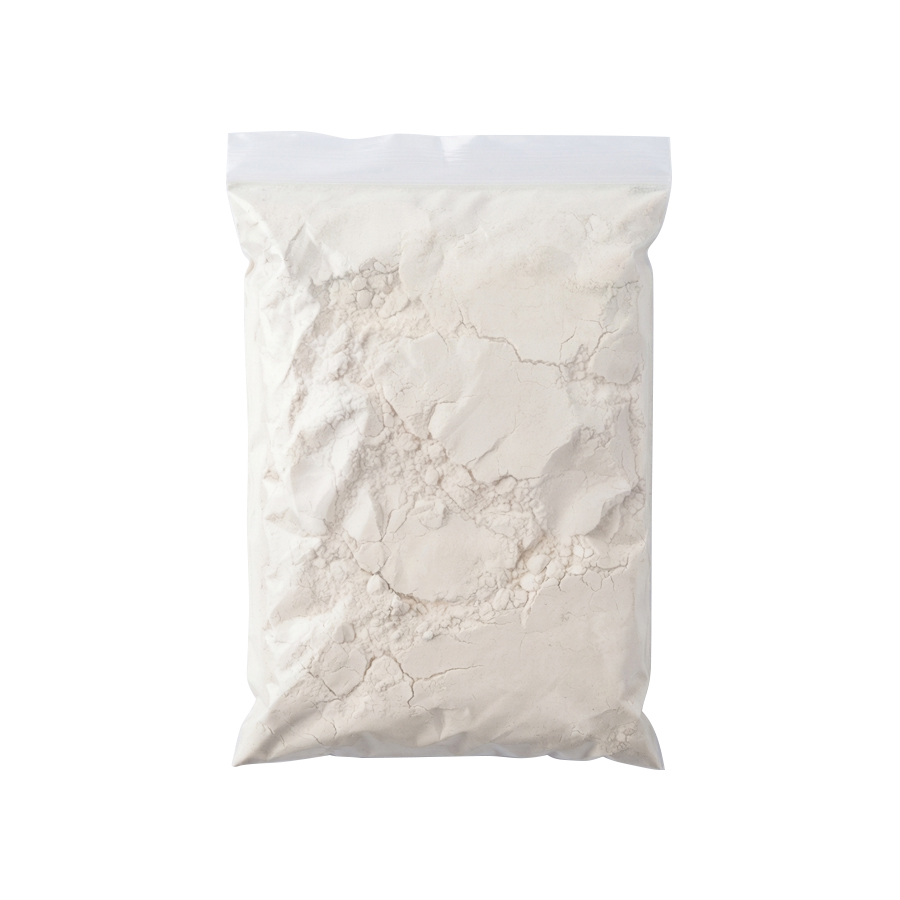
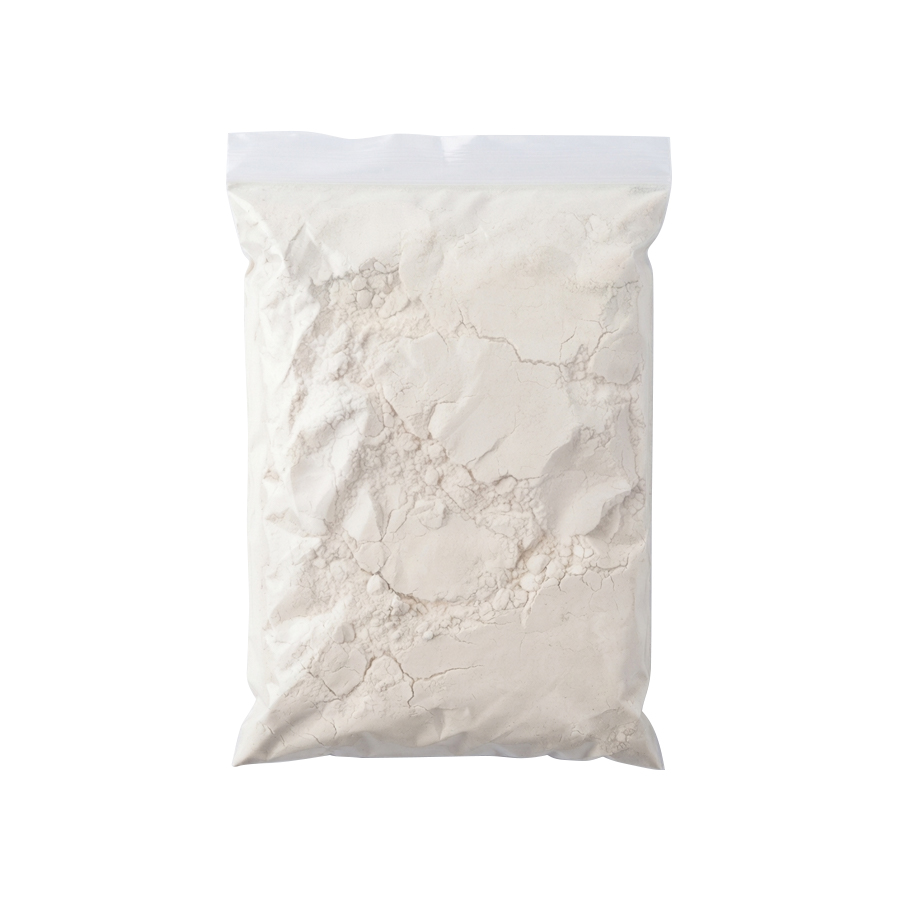
Anti-Staining Powder (Denim Washing Anti-Backstaining Type)
Contact Us- Technical Specifications
- Features
- Applications
- Instructions for Use
- Storage and Transportation
- Contact Us
|
Product Name |
High-Efficiency Anti-Staining Powder (Anti-Backstaining Powder) |
|
Chemical Composition |
Hydrophilic non-ionic polyester/polyether high molecular blend, APEO-free, environmentally friendly and biodegradable |
|
Appearance |
White to slightly yellowish free-flowing powder / granules |
|
Ionicity |
Non-ionic |
|
pH Value |
5.0–7.0 (1% aqueous solution) |
|
Solubility |
Rapidly soluble in both cold and hot water, no caking |
|
Solid Content |
≥ 98% |
|
Shelf Life |
12 months sealed at room temperature; if caked due to moisture, stirring to dissolve does not affect performance |
1. Fully compatible with neutral/acidic cellulase – does not reduce enzyme activity, but actually enhances the clarity of enzyme-wash effects.
2. Resistant to acids, alkalis, and electrolytes – wide pH application range.
3. Applicable temperature 20–80°C – stable and effective from room temperature to high-temperature washing.
4. Long-lasting anti-staining – continuously inhibits back-staining for up to 60 minutes, keeping white grounds clean and non-graying.
5. Combined soaping and color-washing effect – fabrics after washing appear bright with high contrast.
6. Does not damage spandex elasticity – fabrics do not become hard or stiff.
1. Denim garments: desizing, pre-washing, enzyme washing, stone washing, enzyme stone washing, bleaching, and after-tint washing-off.
2. Cotton/polyester-cotton, canvas, and knitted fabrics – post-dyeing soaping and anti-staining.
3. Printed fabrics washing – prevents color bleeding on multi-color fabrics.
4. Towel fabrics, yarn-dyed fabrics – prevents cross-staining between dark and light fabrics in the same bath.
Recommended Process & Dosage (2 Application Methods)
Method 1: Co-Bath Addition in Washing Machine (Preferred for garment washing)
|
Bath Ratio |
1:10–15 |
|
Process |
Dosage |
|
Desizing (60–90°C, 10–15 min) |
0.3–0.5 g/L (0.3–0.5 kg per ton of water) |
|
Enzyme washing (55–60°C, 30–70 min) |
0.3–0.6 g/L; can be added together with enzyme powder in the same bath |
|
Stone washing / heavy enzyme stone washing |
0.6–1.0 g/L – prevents large-area back-staining during pumice stone abrasion |
|
Final rinsing |
0.2–0.4 g/L – removes residual unfixed dyes and prevents storage graying |
Method 2: Compounding into Enzyme Powder (For auxiliary manufacturers)
Blend 5%–20% of the total enzyme powder mass evenly.
The finished enzyme product can be used directly in the machine – no need to add anti-staining powder separately.
General Dosage Reference (o.w.f.)
|
Fabric Type |
Dosage |
|
Conventional light-color denim |
0.5%–1.0% (on fabric weight) |
|
Heavy wash / deep blue-black denim |
1.0%–2.0% (on fabric weight) |
Standard Operating Procedure
1. Dissolution: Slowly add the anti-staining powder to cold water with stirring. Stir for 3–5 minutes until completely dissolved. Do not add dry powder directly onto dry fabric.
2. After heating to the process temperature, add the anti-staining powder and circulate for 2 minutes, then add enzymes, soaping oil, and other auxiliaries.
3. Maintain continuous water circulation throughout the process to ensure dye suspension and dispersion.
4. After washing, use multiple overflow rinses – residual auxiliaries are easily washed off.
Compatibility
·Compatible in the same bath with: Cellulase, non-ionic soaping oil, chelating agents, dispersants, salt, soda ash.
·Use with caution: Strong oxidizers (sodium hypochlorite, hydrogen peroxide) will degrade the polymer. For bleaching processes, add anti-staining powder after bleaching.
·Avoid: High-concentration cationic softeners in the same bath – may cause flocculation and precipitation.
Safety Precautions (MSDS Summary)
|
Route |
Action |
|
Inhalation |
Dust may irritate respiratory tract. Wear dust mask during handling. |
|
Skin Contact |
Mild irritation. Wear rubber gloves. Rinse with clean water if contacted. |
|
Eye Contact |
Immediately rinse with water for 15 minutes. Seek medical attention if discomfort persists. |
|
Ingestion |
Induce vomiting with plenty of warm water. Do not use strong acids for neutralization. Seek medical attention promptly. |
Transport: This product is not flammable, explosive, or hazardous. Can be transported as general cargo.
Troubleshooting Guide
|
Issue |
Solution |
|
Pocketing appears gray |
Dosage too low / water temperature too low / poor circulation. Increase by 0.2–0.3 g/L. |
|
Flocs/precipitates on liquid surface |
Cationic auxiliaries mixed in the same bath. Separate by process step. |
|
Poor enzyme-wash effect |
Anti-staining powder dosage too high. Reduce by 0.2 g/L. |
|
Fabric hand feel stiff |
Add weak hydrophilic softener in subsequent step. This product itself does not affect hand feel. |
Supplementary Information: Reactive Print Anti-Staining Powder (Anti-Staining Salt S)
If you need anti-staining powder for reactive printing (Anti-Staining Salt S, sodium meta-nitrobenzenesulfonate):
|
Appearance |
Yellow powder, weak oxidizing agent |
|
Application |
Protects dyes from reduction and color change during reactive printing steaming |
|
Dosage in Color Paste |
5–10 g/L |
|
Function |
Prevents color wilting and wind marks. Not for denim washing anti-backstaining. |
Mechanism of Action
The macromolecular polyester/polyether structure complexes free indigo/dye particles, forming a stable dispersed suspension in the washing bath, preventing detached dyes from redepositing onto white fabrics, pocketing, stitching, and white labels. It does not adsorb onto cotton fibers and is easily washed off, without affecting fabric shade, hand feel, or elasticity.
|
Storage |
Store in a cool, dry, well-ventilated warehouse, sealed and stacked. Keep away from high temperature, humidity, strong acids, and strong alkalis. |
|
Packaging |
25 kg woven bag with PE inner liner; 120 kg plastic drum |
|
Stacking |
Keep 10 cm above floor to prevent moisture and caking. |
Your One-Stop Supplier of Textile
Printing & Dyeing Auxiliaries
Better Textile Auxiliaries Superior Quality
View MoreWe take pride in offering eco-friendly formulations, including APEO-free and formaldehyde-free options, to help our customers comply with international environmental regulations such as OEKO-TEX, ISO 14001, and ISO 45001. Jiangyin Huanan delivers quality, consistency, and value. We are committed to building long-term partnerships based on trust, innovation, and mutual growth, serving customers.
JIANGYIN HUANAN NEW MATERIAL

Pay Attention To Our
Latest News and Exhibitions
View All News

Contact us
huanannewmaterials@gmail.com
-
 Phone: +86 - 13861620767
-
 Fax: +86-0510-86200939
-
 298 Hongxing Road, Huashi Town, Jiangyin City, Wuxi City, Jiangsu Province, China
Product links
Mobile App

-
huanannewmaterials@gmail.com
-

-

-
+86 - 13861620767