


 English
 中文简体

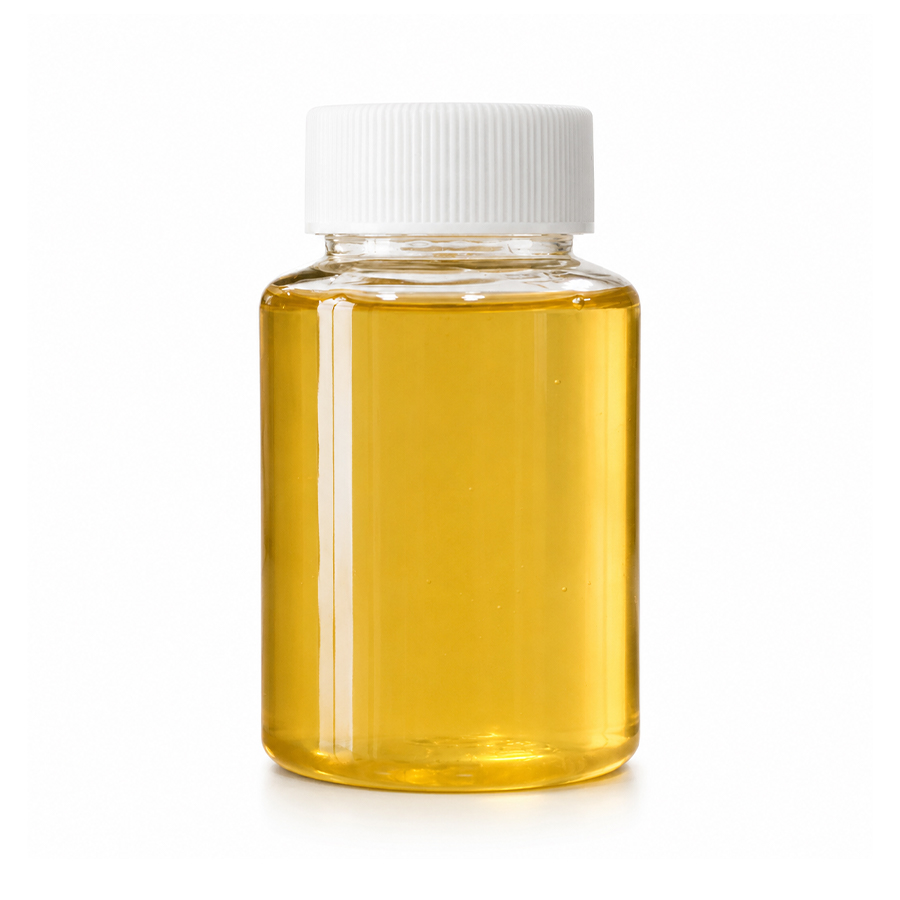

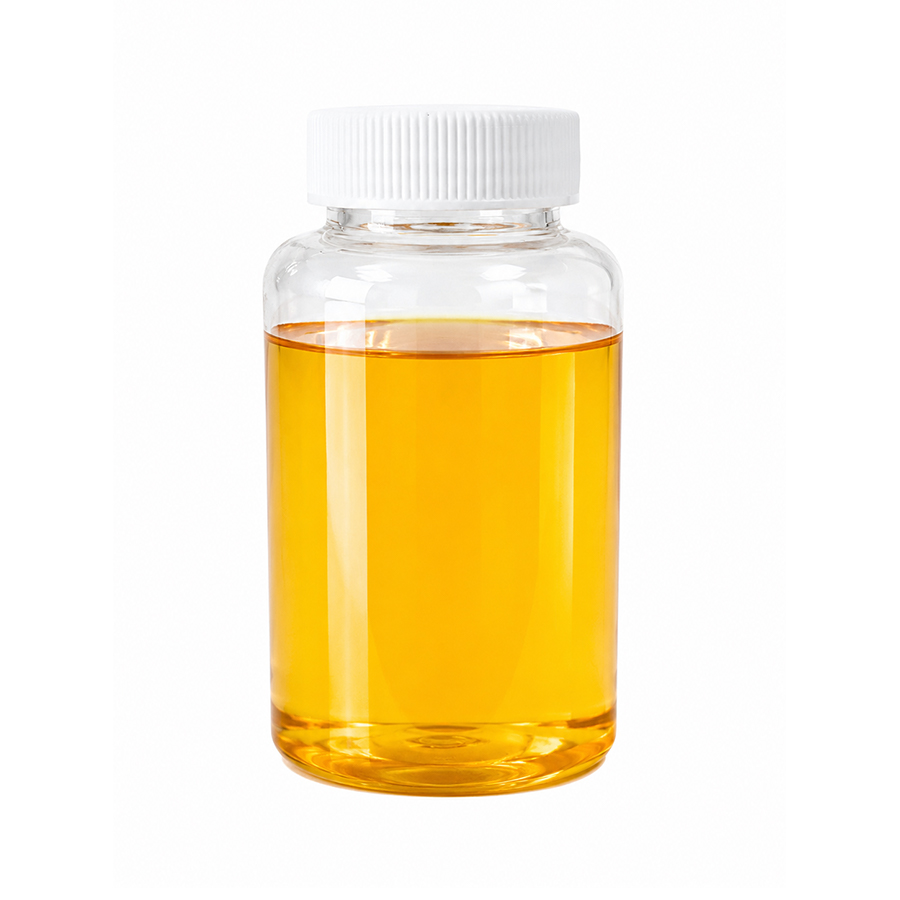
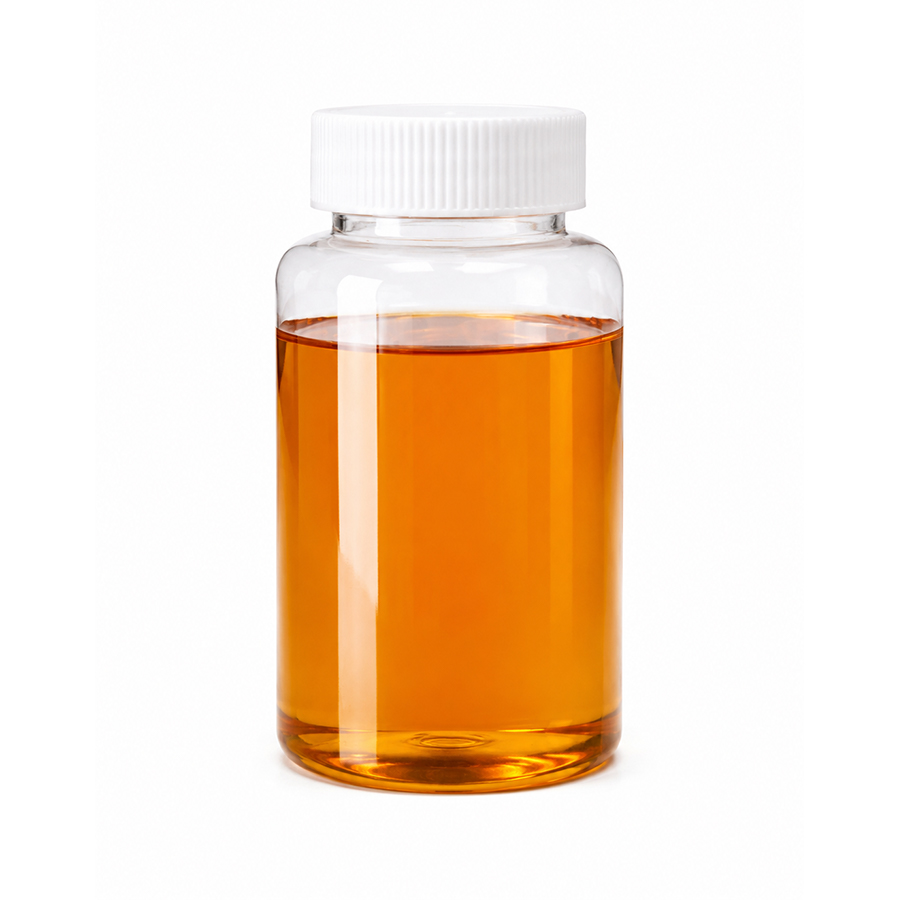
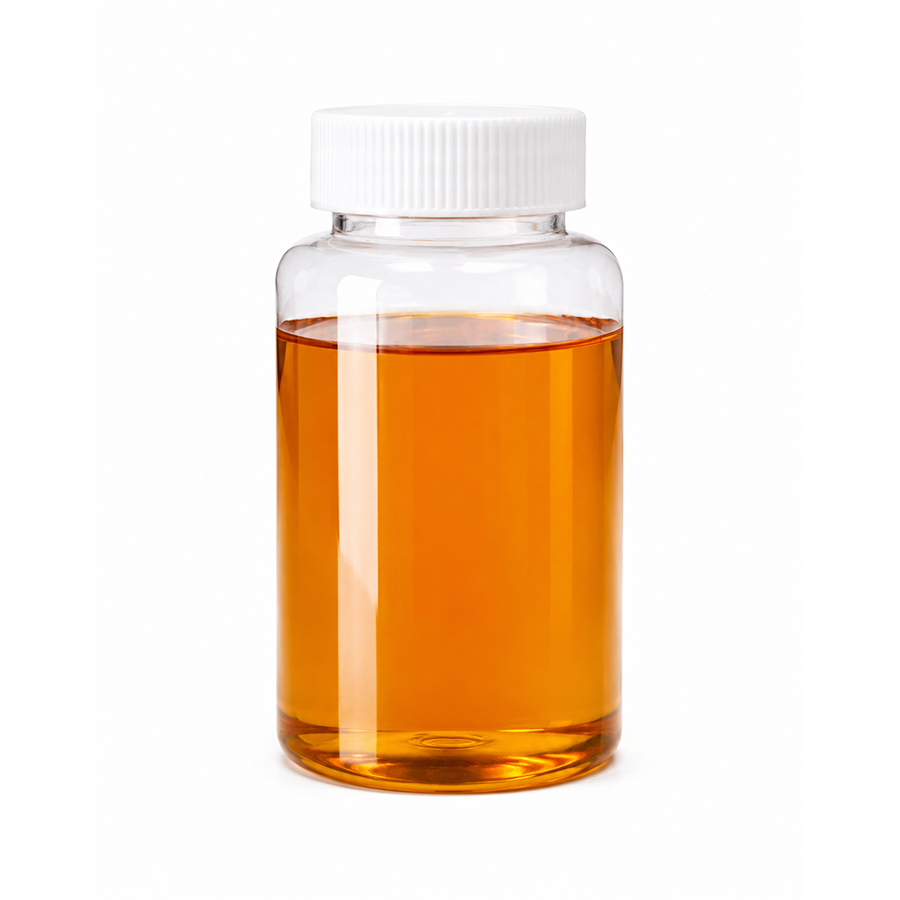
Reactive Dye Levelness Enhancer
Reactive Dye Levelness Enhancer is a dyeing auxiliary designed to improve the uniformity of reactive dye uptake on cellulosic fibers and their blends. Reactive dyes react with the fiber during the fixation stage, which means any unevenness in dye migration or fixation becomes permanent. Levelness enhancers work by controlling dye migration rate, retarding initial strike, and improving dye distribution across the fabric surface before and during fixation. The product range covers retarding, migrating, and leveling functions for exhaust, pad, and cold pad batch processes, and includes APEO-free and formaldehyde-free options that support OEKO-TEX, ISO 14001, and ISO 45001 compliance requirements.
- Initial strike control
- Dye migration promotion
- Fixation uniformity
- Barre and streak reduction
Company Strengths
Manufacturing Since
Continuous textile auxiliary production from Jiangyin City, Jiangsu Province, China, with research, development, production, and sales handled in house.
Tons Annual Capacity
Two production plants support large volume dyeing auxiliary orders and continuous delivery schedules.
Auxiliary Categories
Pre-treatment, post-treatment, and dyeing auxiliaries supplied from one source with coordinated formulation logic.
Dyeing System Coordination
Levelness enhancers are developed alongside high-concentration repair agents, low-temperature environmentally friendly carriers, color-fixing agents, and soaping agents, so a complete dyeing system can be built from one supply source with reduced compatibility risk.
Environmental Compliance
APEO-free and formaldehyde-free formulations are available. Products are designed to support OEKO-TEX, ISO 14001, and ISO 45001 requirements and restricted substance lists for export markets.
Technical Adjustment Service
Formulation adjustment based on fiber blend, dye class, machine type, water quality, and target levelness. Same-bath compatibility pre-testing guidance provided for combined dyeing systems.
Batch Consistency Control
Production control targets consistent active content and performance between batches, supporting stable dyeing results over long production runs and repeat orders.
Repair System Support
Levelness enhancers can be applied together with high-concentration repair agents where shade correction is required after an uneven dyeing result.
Export-Oriented Supply
Packaging and documentation oriented toward international buyers, including regions with specific environmental and restricted substance requirements.
Core Advantages
Strike Control
Retards the initial rapid uptake of reactive dye, which is a main cause of uneven shade in the first minutes of dyeing.
Migration Promotion
Improves dye migration within the fiber before fixation, allowing dye to redistribute and even out across the fabric surface.
Fixation Uniformity
Supports even fixation during the alkali addition stage, reducing patchiness and tone variation across the batch.
Barre and Streak Reduction
Reduces the appearance of warp streaks and barre marks caused by uneven dye uptake on yarn-dyed and woven fabrics.
Process Flexibility
Suitable for exhaust, pad, and cold pad batch processes on cotton, viscose, modal, and their blends.
Eco Formulation
APEO-free and formaldehyde-free options for restricted substance compliance.
Product Characteristics
Performance Data
| Shade uniformity | Reduced side-to-side and end-to-end shade variation compared to dyeing without a leveling agent |
| Barre reduction | Visible reduction of warp streaks and barre marks on woven cotton and viscose fabrics |
| Strike control | Slower initial dye uptake in the first minutes of the dyeing cycle |
| Migration effect | Improved dye redistribution before alkali addition |
| Color yield | Minimal effect on final color depth when dosage is within the recommended range |
| Fastness impact | No reduction in wash and rub fastness when applied as recommended |
Application Scenarios
Knitted Cotton
Single jersey, rib, and interlock fabrics where even shade across the batch is required.
Woven Cotton
Poplin, twill, and sheeting where warp streaks and barre marks must be controlled.
Viscose and Modal
Regenerated cellulose fabrics where reactive dye uptake can be uneven due to fiber variation.
Cotton Blends
Cotton and polyester or cotton and elastane blends requiring uniform shade across both components.
Yarn-Dyed Fabrics
Fabrics where yarn variation causes barre and streak appearance after dyeing and finishing.
Cold Pad Batch
Pad batch processes where controlled dye migration supports even fixation during batching.
Processing Recommendations
Bath Preparation
Add the levelness enhancer to the dyeing bath at the recommended dosage. Pre-dilute before addition. Adjust pH according to the dye class being used.
Dye Addition
Add dissolved reactive dye and run at the recommended temperature for the migration period. The levelness enhancer controls the initial strike during this stage.
Alkali Fixation
Add alkali gradually as per the dyeing recipe. Uniform alkali addition supports even fixation when combined with the levelness enhancer.
Soaping and Rinsing
Soap and rinse to remove unfixed dye. Levelness enhancers work together with soaping agents to remove residual dye without affecting shade uniformity.
Frequently Asked Questions
Reactive dyes react with the fiber during fixation, so any unevenness in dye uptake or migration becomes permanent. Common causes include rapid initial strike, uneven alkali addition, insufficient migration time, variable fiber maturity, and machine circulation differences. A levelness enhancer controls strike rate and improves migration, which reduces the effect of these variables.
Compatibility depends on the specific dye class and the ionic nature of the levelness enhancer. Anionic and non-ionic grades are available for different dye systems. Hot dyeing, warm dyeing, and cold dyeing reactive dyes may require different grades and dosages. The technical data sheet provides guidance for each grade, and pre-testing with the actual dye system is recommended.
When applied within the recommended dosage range, the effect on final color depth is minimal. Excessive dosage can retard dye uptake to the point that color yield is reduced. The recommended dosage should be followed, and the recipe adjusted only after pre-testing. For shade correction after dyeing, a high-concentration repair agent can be used.
Warp streaks and barre marks occur when yarns absorb dye at different rates due to variation in fiber maturity, twist, or tension history. The levelness enhancer promotes dye migration between fibers and yarns during the migration stage, which allows dye to redistribute and even out. This reduces the visual contrast between yarns that would otherwise appear as streaks.
The levelness enhancer is typically added at the start of the dyeing process, while fixing agents are applied after dyeing and soaping. They operate in separate stages of the process and are not normally combined in the same bath. Pre-testing is recommended where the process sequence is modified, and compatibility should be confirmed for the specific grades involved.
Yes. Selected grades are suitable for cold pad batch processes where controlled dye migration supports even fixation during batching. The dosage and pad liquor formulation should be confirmed from the technical data sheet for the specific grade. Pre-testing is recommended because cold pad batch conditions differ from exhaust dyeing in liquor ratio, temperature, and batching time.
Store in a cool, dry area away from direct sunlight. Protect from freezing below 5 degrees Celsius. If the product freezes, thaw slowly at room temperature and stir before use. Keep containers closed when not in use to prevent contamination. Shelf life is 12 months in the original unopened container under recommended conditions.
Notes on Use and Storage
| Freeze protection | Do not store below 5 degrees Celsius. Thaw slowly and stir if frozen. |
| Dosage control | Excessive dosage can reduce color yield. Follow the recommended range. |
| Dilution | Pre-dilute before addition. Use deionized or soft water where required. |
| Charge matching | Select anionic or non-ionic grade according to the dye system used. |
| Contamination | Keep containers closed. Avoid contact with incompatible charge types. |
| Safety | Refer to the Safety Data Sheet for handling and personal protective equipment requirements. |
| Ventilation | Use in a well-ventilated area. Avoid breathing vapors or mists. |
| Disposal | Dispose of contents and container in accordance with local and national regulations. |
Better Textile Auxiliaries Superior Quality
View MoreWe take pride in offering eco-friendly formulations, including APEO-free and formaldehyde-free options, to help our customers comply with international environmental regulations such as OEKO-TEX, ISO 14001, and ISO 45001. Jiangyin Huanan delivers quality, consistency, and value. We are committed to building long-term partnerships based on trust, innovation, and mutual growth, serving customers.
-
1984
Established In
-
02
Production Plants
-
60000
Tons Annual Capacity