


 English
 中文简体

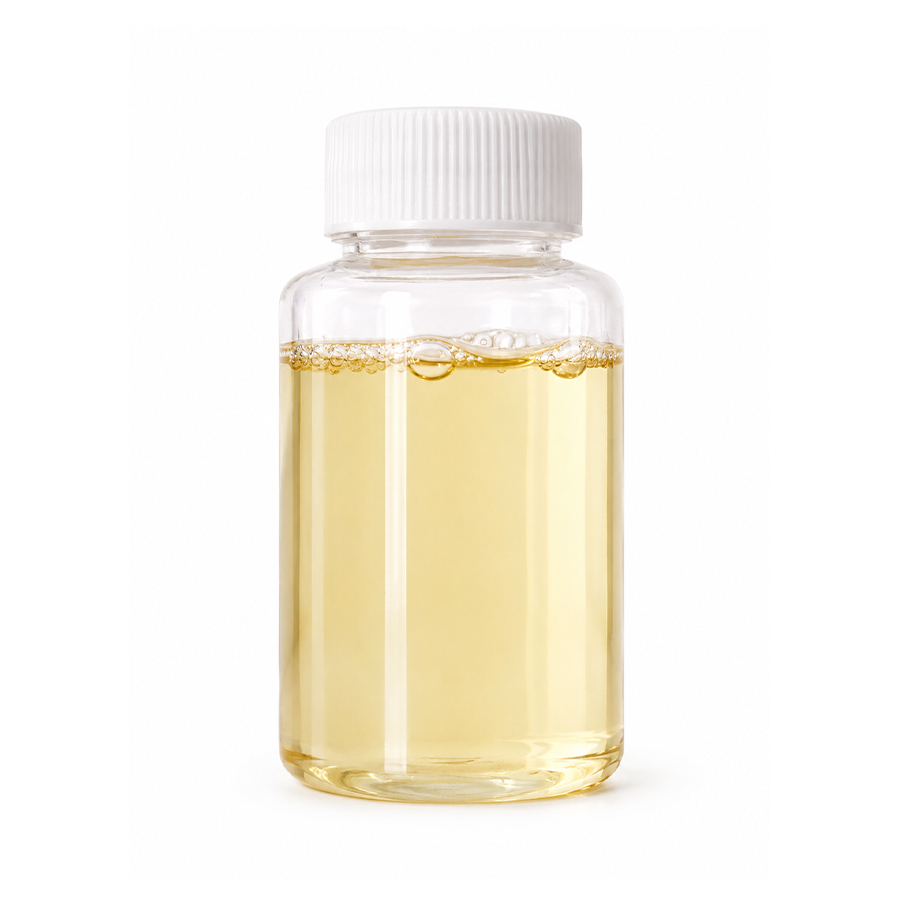

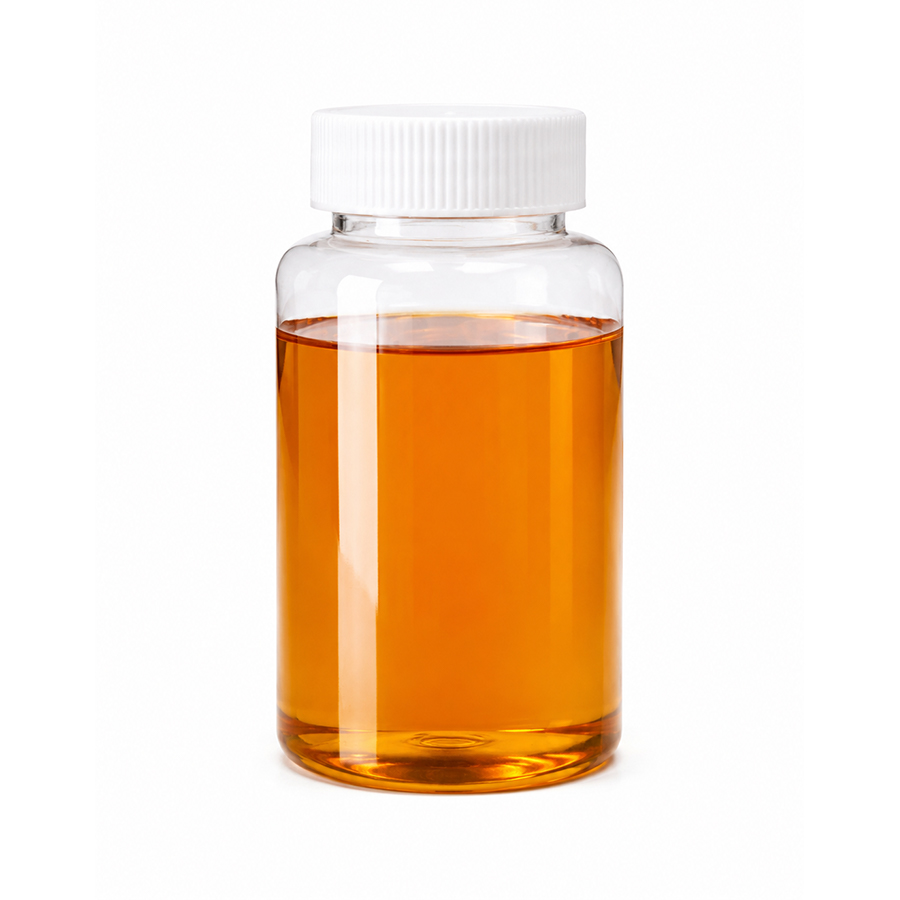


Cationic Softening Compounds
Cationic Softening Compounds are textile finishing agents built on cationic surfactant chemistry that delivers a soft, smooth hand feel to natural and synthetic fibers. The positively charged molecules adsorb onto negatively charged fiber surfaces, forming a lubricating layer that reduces friction between fibers and between fabric and skin. This mechanism produces a durable softness that is distinct from non-ionic or anionic systems, particularly on cotton, viscose, and cellulosic blends. The product range includes liquid and flake forms suitable for exhaust and pad applications, and is formulated without APEO and formaldehyde to support compliance with OEKO-TEX, ISO 14001, and ISO 45001 requirements.
Core Advantages
Cationic Affinity
Strong adsorption on negatively charged fibers provides durable softening effect with good exhaustion rates in exhaust application.
Hand Feel Control
Adjustable from soft to super-soft depending on dosage and formulation selection, without excessive surface waxiness.
Eco Formulation
APEO-free and formaldehyde-free options available for restricted substance lists and export market requirements.
Process Flexibility
Suitable for exhaust, pad, and padding applications on winch, jet, overflow, and continuous ranges.
Antistatic Effect
Cationic nature contributes to reduced static buildup on synthetic fibers during processing and end use.
Supply Capacity
Two production plants with 60,000 tons annual capacity support consistent volume and batch-to-batch continuity.
Product Characteristics
Performance Data
| Softness rating | 3 to 5 grade improvement on cotton and viscose versus untreated fabric in hand panel evaluation |
| Wash durability | Softness maintained after 15 to 25 home launderings at 40 degrees Celsius depending on grade and curing |
| Static reduction | Surface resistivity reduced on polyester and polyamide compared to untreated fabric |
| Shade change | Delta E less than 0.6 for most dyed shades under recommended conditions |
| Yellowing | Minimal yellowing on white and light shades when applied within recommended pH and temperature range |
| Hydrophilicity | May reduce absorbency on cellulosic fabrics; pre-test for applications requiring both softness and wetting |
Application Scenarios
Knitted Apparel
Cotton, viscose, and blended knits requiring a soft, smooth hand feel for next-to-skin comfort.
Woven Shirtings
Cotton and cotton-polyester woven fabrics where softness and smoothness are required after finishing.
Denim and Twill
Heavyweight fabrics requiring surface lubrication to improve hand feel without excessive stiffness.
Towel and Home Textiles
Terry and woven home fabrics where a soft touch is required with controlled hydrophilicity.
Technical Textiles
Industrial fabrics where fiber lubrication and antistatic performance support downstream processing.
Processing Recommendations
Exhaust Application
- Dosage 1 to 6 percent owf
- pH 4.5 to 6.0
- Temperature 40 to 60 degrees Celsius
- Time 20 to 30 minutes
- Drain and dry; no rinse required in most cases
Pad Application
- Dosage 10 to 50 g/L
- Wet pick-up 60 to 80 percent
- Dry at 100 to 120 degrees Celsius
- Cure at 150 to 160 degrees Celsius for 1 to 3 minutes
- Adjust pH with acetic acid before application
Compatibility Notes
- Do not combine directly with anionic auxiliaries
- Add after anionic dyes are fully exhausted and rinsed
- Pre-test with non-ionic and weakly cationic softeners
- Use deionized or soft water for dilution
- Pre-dilute before adding to the bath
Frequently Asked Questions
Yellowing can occur when the finishing bath pH is too high, when curing temperature exceeds the recommended range, or when the softener is applied at excessive dosage. Cationic chemistry is sensitive to alkaline conditions and oxidation. To reduce yellowing risk, maintain bath pH between 4.5 and 6.0, control curing temperature, and avoid over-dosing. Pre-test on the actual white fabric and shade before bulk production.
No. Cationic softeners and anionic dyes or auxiliaries form insoluble complexes when mixed directly, leading to precipitation, spotting, and loss of both color and softness. Cationic softeners should be applied after dyeing is complete, after rinsing, and in a fresh bath. If a one-bath process is required, use a compatible non-ionic or weakly cationic softening system instead.
Cationic softeners form a hydrophobic layer on fiber surfaces that can reduce water absorbency on cellulosic fabrics. For applications requiring both softness and hydrophilicity, such as towels or sportswear, a hydrophilic softener or a blend with non-ionic hydrophilic agents is recommended. Pre-test absorbency using a drop test or wicking test before bulk production.
Liquid forms are easier to dose and dilute, and are suitable for automated dosing systems and exhaust applications. Flake forms typically have higher active content, require hot water dissolution before use, and are often used in pad applications or where lower shipping volume is preferred. Performance depends on the specific grade rather than the physical form. Technical data sheets provide active content and dissolution guidance for each product.
Store in a cool, dry area away from direct sunlight. Protect from freezing below 5 degrees Celsius. If the product freezes, thaw slowly at room temperature and stir before use. Keep containers closed when not in use to prevent contamination and evaporation. Shelf life is 12 months in the original unopened container under recommended conditions.
Yes, cationic softeners are often combined with amino-functional or cationic silicone softeners to achieve a specific hand feel profile. The order of addition and pH must be controlled, and pre-testing is required to confirm bath stability. In some cases, a two-bath process provides better results. The technical service team can advise on specific combinations and ratios.
Notes on Use and Storage
Freeze Protection
Do not store below 5 degrees Celsius. Thaw slowly and stir if frozen.
Contamination
Keep containers closed. Avoid contact with anionic surfactants and strong oxidizers.
Dilution
Use deionized or soft water. Hard water may reduce stability and performance.
Safety
Refer to the Safety Data Sheet for handling and personal protective equipment requirements.
Ventilation
Use in a well-ventilated area. Avoid breathing vapors or mists.
Disposal
Dispose of contents and container in accordance with local and national regulations.
Better Textile Auxiliaries Superior Quality
View MoreWe take pride in offering eco-friendly formulations, including APEO-free and formaldehyde-free options, to help our customers comply with international environmental regulations such as OEKO-TEX, ISO 14001, and ISO 45001. Jiangyin Huanan delivers quality, consistency, and value. We are committed to building long-term partnerships based on trust, innovation, and mutual growth, serving customers.
-
1984
Established In
-
02
Production Plants
-
60000
Tons Annual Capacity
Recommended LINS