


 English
  中文简体
中文简体 
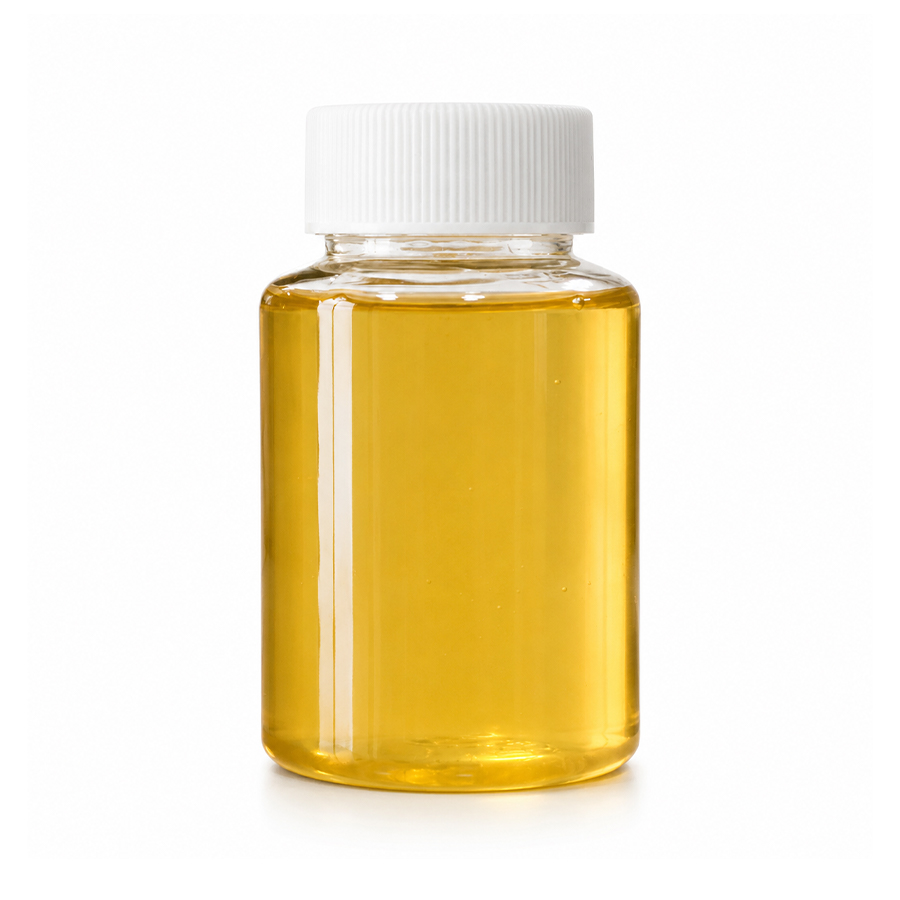

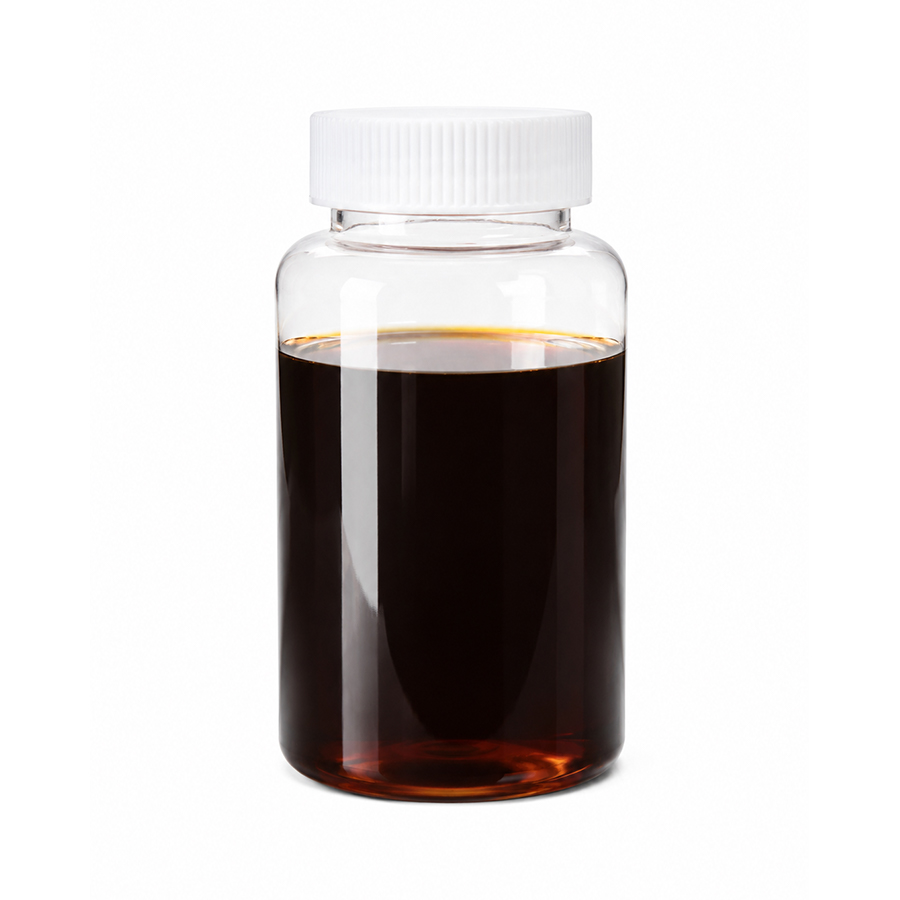
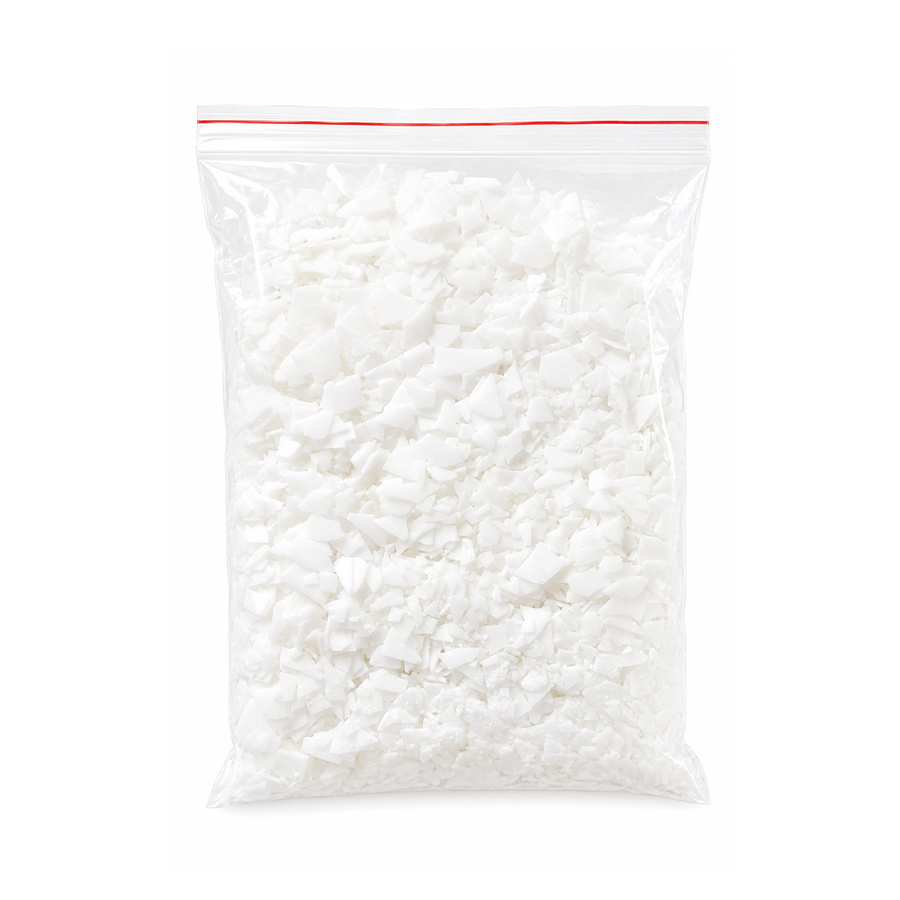
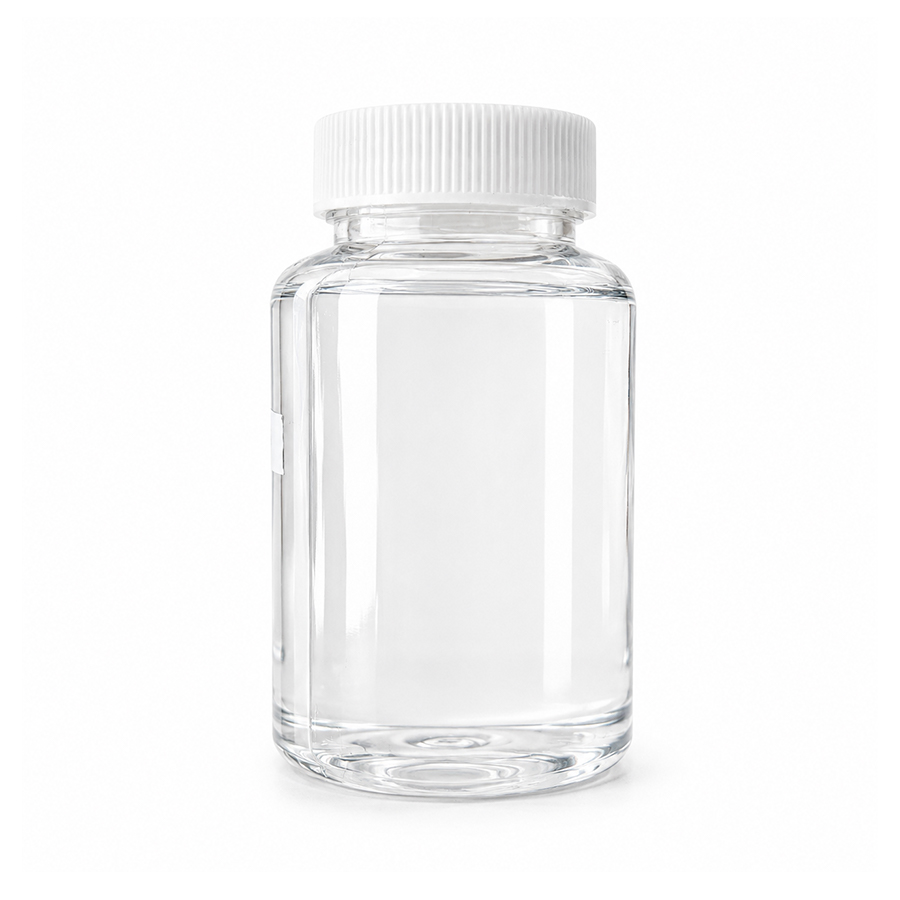
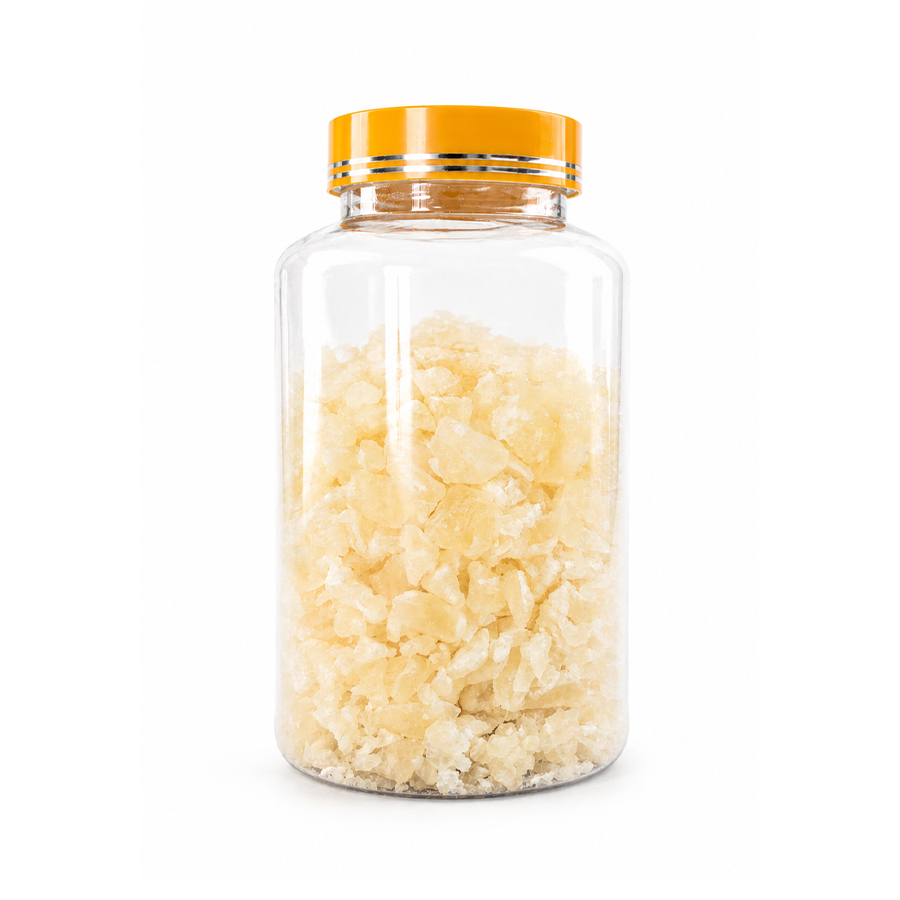
Low-Temperature Dyeing Promoters
Jiangyin Huanan New Materials Technology Co., Ltd. manufactures low-temperature dyeing promoters designed to reduce dyeing temperatures for polyester, nylon, and acrylic fibers. These auxiliaries lower the glass transition temperature (Tg) of synthetic fibers, enabling dyeing at 90–110 °C instead of conventional 130 °C. The promoters contain aromatic esters, benzyl alcohol derivatives, and surfactant blends that plasticize the fiber matrix, facilitating dye penetration and level dyeing. They are suitable for exhaust and pad-dyeing processes, offering energy savings and reduced fiber damage. Jiangyin Huanan supplies promoters with controlled carrier activity, low odor, and good emulsion stability across a range of dyeing conditions.
Energy & process efficiency
- Dyeing temperature reduction: 20–40 °C vs. conventional HT dyeing.
- Cycle time shortened by 30–60 minutes per batch.
- Compatible with jet, winch, and package dyeing machines.
Fiber protection & quality
- Lower thermal stress reduces fibrillation and tenacity loss.
- Level dyeing with reduced side-to-center shade variation.
- Minimizes oligomer migration and spotting on polyester.
Mechanism of action
The promoters function by penetrating the amorphous regions of synthetic fibers, reducing intermolecular forces between polymer chains. This plasticization effect lowers the Tg by 15–25 °C, allowing disperse or acid dyes to diffuse at lower temperatures. The carrier activity is balanced with emulsifiers to ensure uniform uptake and prevent dye aggregation. The promoters also exhibit solubilizing effects on dye particles, improving dispersion stability in the bath.
Formulation & compatibility
- Carrier types: methyl naphthalene, diphenyl, and benzoate ester blends with carrier activity index ≥ 85 %.
- Emulsifier system: non-ionic ethoxylates with HLB 12–14, providing stable oil-in-water emulsions.
- pH range: effective in acidic to neutral conditions (pH 4.0–7.0).
- Compatibility: suitable with disperse, acid, and basic dyes; avoid strong oxidizing agents.
- Liquid forms with specific gravity 1.02–1.08 g/cm³ and viscosity 80–200 cP at 25 °C.
Application parameters
| Fiber type | Recommended promoter (owf) | Dyeing temperature (°C) | Dyeing time (min) | pH range |
| Polyester (regular) | 0.5 – 1.5 % | 105 – 110 | 45 – 60 | 4.5 – 5.5 |
| Polyester (microfiber) | 1.0 – 2.0 % | 100 – 105 | 50 – 70 | 4.5 – 5.5 |
| Nylon 6 / 6.6 | 0.3 – 0.8 % | 90 – 98 | 30 – 45 | 5.0 – 6.0 |
| Acrylic | 0.5 – 1.2 % | 95 – 100 | 40 – 60 | 4.0 – 4.5 |
| PET/cotton blends | 0.8 – 1.5 % | 100 – 110 | 50 – 70 | 4.5 – 5.5 |
Operational benefits
- Energy consumption reduced by 15–25 % due to lower heating requirements.
- Reduced fiber hydrolysis and tensile strength retention (> 95 % vs. untreated).
- Shorter cooling cycles and faster batch turnaround.
- Compatible with one-bath dyeing processes for blends.
- Low foaming characteristics minimize bath overflow and machine cleaning.
Frequently asked questions & solutions
Low-temperature promoters can increase dye uptake by 5–10 % due to improved fiber swelling. However, over-dosing may cause dye aggregation and reduced exhaustion. Optimize dosage via lab trials; typical range 0.5–1.5 % owf. Use with leveling agents for even shade.
Some carrier systems may cause slight yellowing on white or pastel shades. Select non-yellowing promoter grades (benzyl alcohol types). For handle, add non-ionic softener post-dyeing to restore suppleness.
Use low-foaming promoter blends with built-in defoamers. For jet machines, maintain liquor ratio ≥ 1:10 and avoid excessive pump speed. Add 0.05–0.1 g/L non-silicone defoamer if needed.
Promoters are generally compatible with Glauber's salt and soda ash at concentrations up to 60 g/L. However, high electrolyte levels may reduce carrier solubility. Pre-dissolve promoter in warm water (40–50 °C) before adding to bath.
Storage & handling recommendations
- Store in sealed containers at 5–30 °C, away from direct sunlight and ignition sources.
- Stir before use; emulsions may separate after prolonged storage.
- Avoid contact with strong acids, alkalis, and oxidizing agents.
- Shelf life: 12 months for most carriers; check emulsion stability before use.
Better Textile Auxiliaries Superior Quality
View MoreWe take pride in offering eco-friendly formulations, including APEO-free and formaldehyde-free options, to help our customers comply with international environmental regulations such as OEKO-TEX, ISO 14001, and ISO 45001. Jiangyin Huanan delivers quality, consistency, and value. We are committed to building long-term partnerships based on trust, innovation, and mutual growth, serving customers.
-
1984
Established In
-
02
Production Plants
-
60000
Tons Annual Capacity