


 English
 中文简体




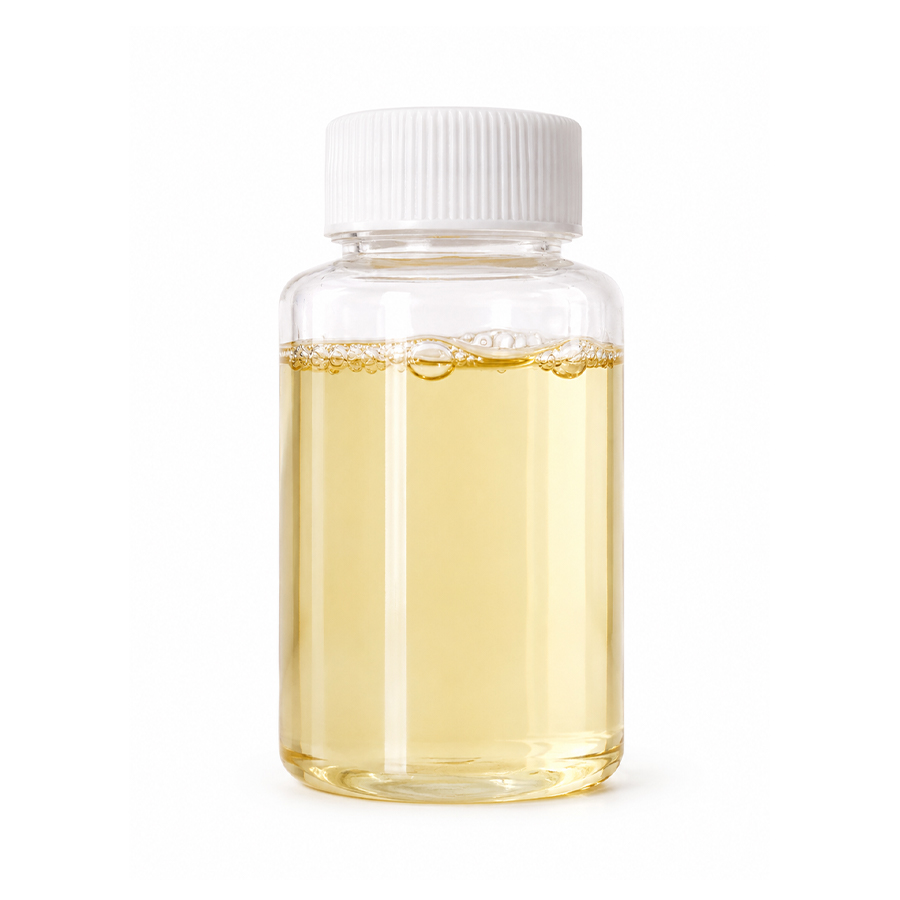
Hydrophilic Fabric Modifiers
Hydrophilic Fabric Modifiers are functional finishing agents engineered to transform hydrophobic synthetic fibers into moisture-absorbing, quick-drying surfaces. These modifiers work by reducing the surface tension of fibers such as polyester, polyamide, and polypropylene, enabling water to spread and evaporate rather than bead and remain. The result is improved comfort, reduced cling, and faster drying times in finished garments and technical textiles. The product line is available in non-ionic and weakly cationic grades, formulated without APEO and formaldehyde, and supports compliance with OEKO-TEX, ISO 14001, and ISO 45001 requirements.
Core Advantages
| Eco-friendly formulation | APEO-free and formaldehyde-free chemistry supports restricted substance compliance and international environmental regulations |
| Process versatility | Stable in pad-dry-cure, exhaust, and padding applications on continuous and batch equipment |
| Wash durability | Maintains hydrophilic performance after repeated home laundering when properly cured |
| Minimal hand feel impact | Does not plasticize or stiffen fabric; compatible with softeners and silicones |
| Supply reliability | Two production plants with 60,000 tons annual capacity ensure consistent batch-to-batch delivery |
| Technical service | Formulation adjustment support based on specific fiber blends, machine type, and performance targets |
| Compatibility | Co-applicable with moisture-wicking agents, antistatic agents, and color-fixing agents from the same portfolio |
Product Characteristics
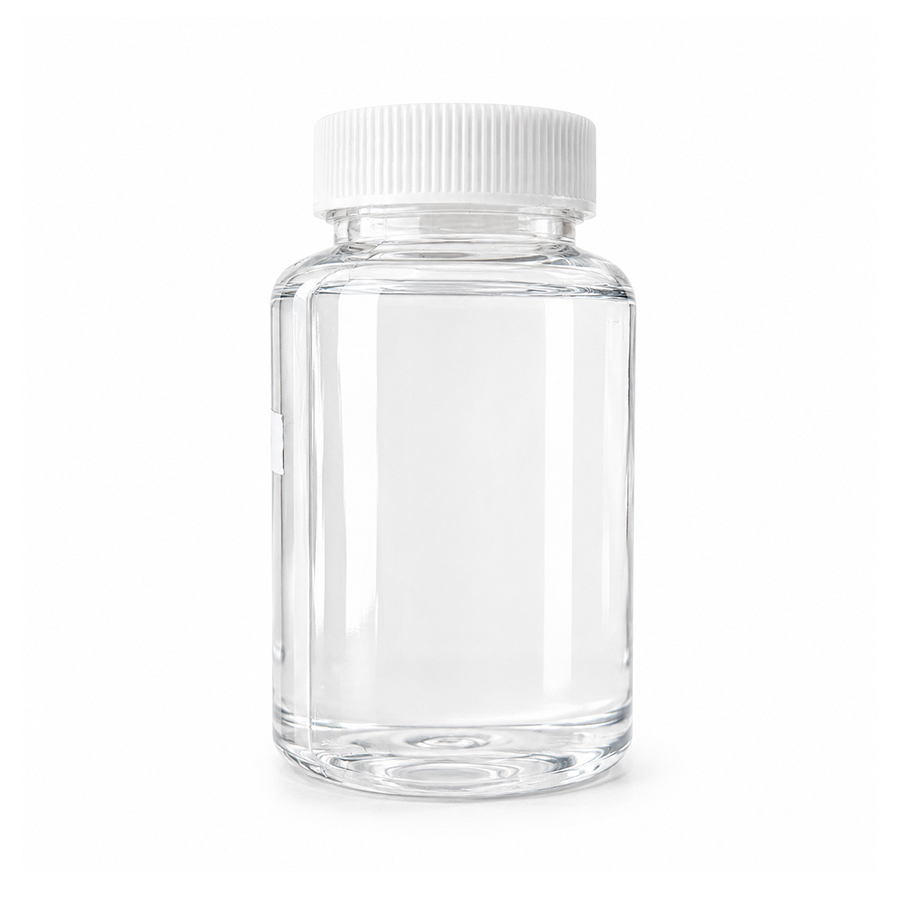
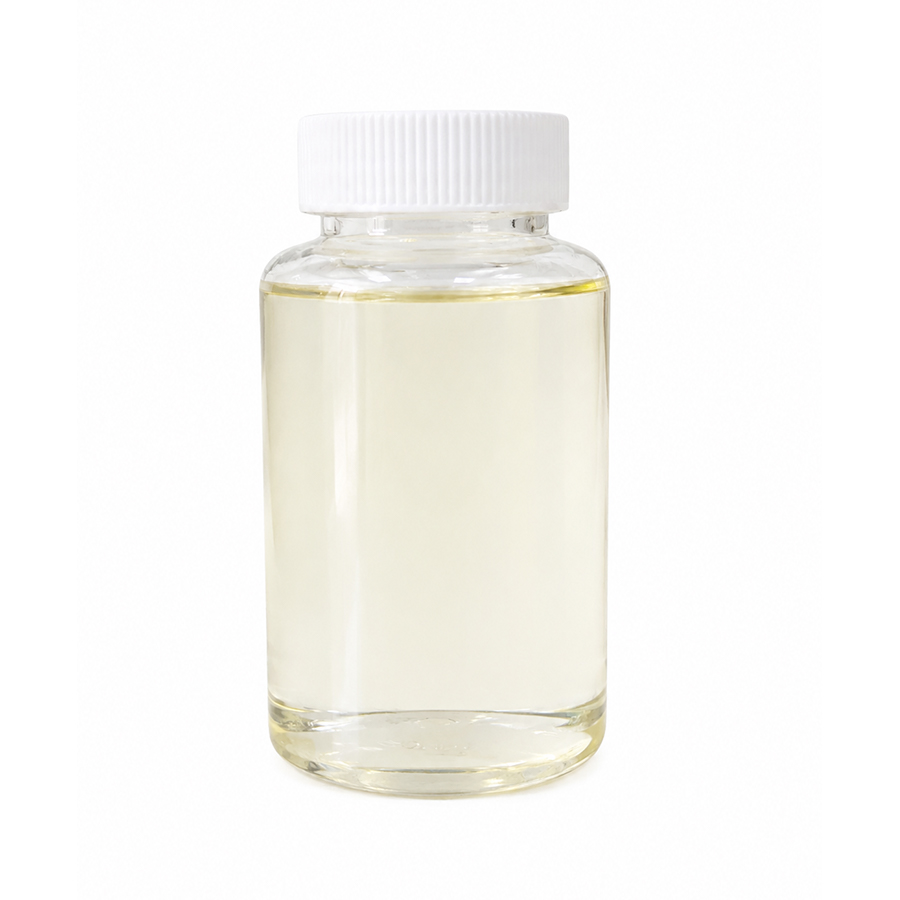
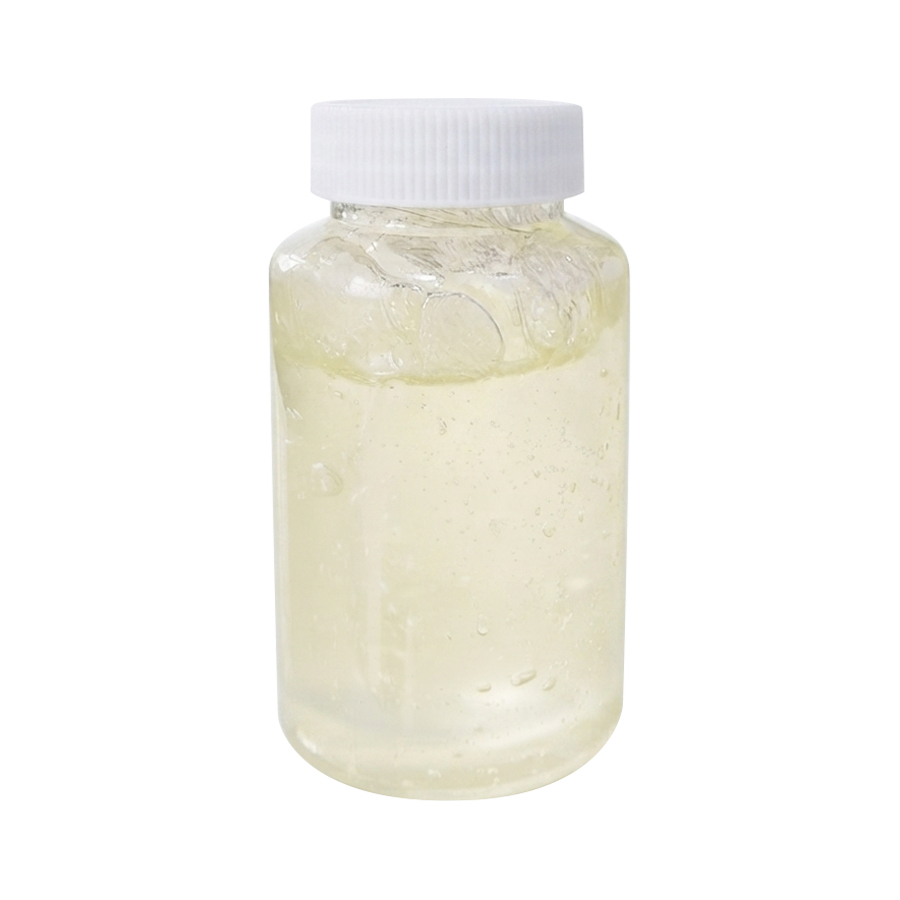
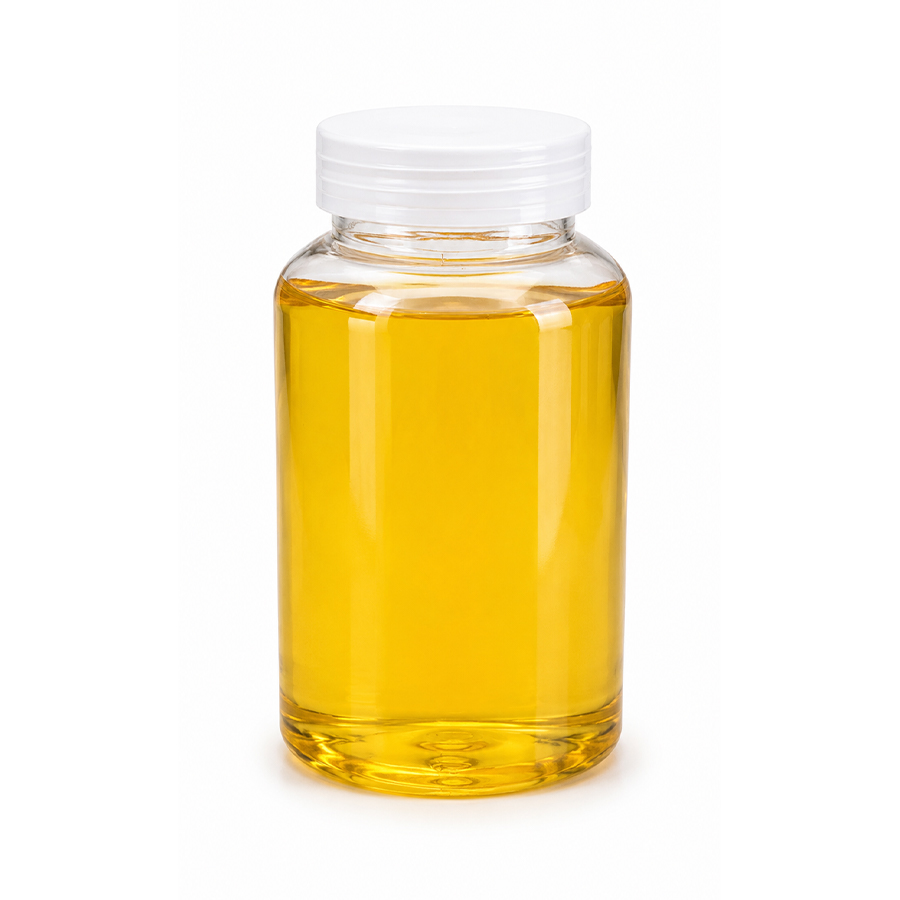
| Appearance | Clear to slightly hazy liquid |
| Ionic nature | Non-ionic or weakly cationic |
| pH value | 5.5 to 7.5 (1 percent aqueous solution) |
| Solubility | Dispersible in cold to warm water; use deionized or soft water for dilution |
| Dosage range | 10 to 40 g/L for pad application; 1 to 4 percent owf for exhaust application |
| Processing temperature | Room temperature to 160 degrees Celsius during curing |
| pH of finishing bath | Maintain between 5.5 and 6.5 for optimal stability |
| Shelf life | 12 months in original unopened container |
| Storage | Store in a cool, dry area; protect from freezing below 5 degrees Celsius |
| Packaging | Available in standard industrial containers; contact for specific packaging options |
Performance Data
| Wicking height | Greater than 100 mm in 30 minutes for treated polyester (AATCC 79 based method) |
| Drying time | Reduced by 40 to 60 percent compared to untreated polyester in standard tests |
| Wash durability | Hydrophilic effect maintained after 20 to 30 home launderings at 40 degrees Celsius when properly cured |
| Shade change | Delta E less than 0.5 for most reactive and disperse dyed shades under recommended conditions |
| Rub fastness | No reduction in dry or wet rub fastness when applied as recommended |
Application Scenarios
| Sportswear and activewear | Polyester, polyamide, and elastane blends requiring moisture management and quick drying |
| Underwear and intimate apparel | Cotton-modal, microfiber, and synthetic blends needing breathability and reduced cling |
| Bedding and home textiles | Sheets, mattress covers, pillowcases, and towels with quick-dry and comfort requirements |
| Medical and hygiene textiles | Nonwoven and woven fabrics for surgical gowns, drapes, and patient garments |
| Workwear and protective clothing | Garments where perspiration transport and comfort are necessary under physical activity |
| Automotive and transportation textiles | Seat covers and interior fabrics requiring moisture absorption and low static buildup |
| Outdoor and performance apparel | Laminated and coated fabrics where internal moisture management is needed |
Processing Recommendations
| Pad application | 10 to 40 g/L, wet pick-up 60 to 80 percent, dry at 100 to 120 degrees Celsius, cure at 150 to 160 degrees Celsius for 1 to 3 minutes |
| Exhaust application | 1 to 4 percent owf, pH 5.5 to 6.5, run at 40 to 60 degrees Celsius for 20 to 30 minutes, then drain and dry |
| Package dyeing | Dilute before addition to prevent local over-concentration; typical exhaust dosage applies |
| Compatibility testing | Pre-test with other auxiliaries in the same bath, especially softeners, repellents, and binders |
| Water quality | Use deionized or soft water; hard water may reduce stability and performance |
Frequently Asked Questions
Properly cured Hydrophilic Fabric Modifiers form a crosslinked film on the fiber surface. Durability depends on curing conditions, fiber type, and laundry temperature. Typical results show maintained absorbency after 20 to 30 home launderings at 40 degrees Celsius. For higher wash durability, a binder or crosslinker can be added according to technical recommendations. Pre-testing with the actual fabric and laundry conditions is advised.
Yes. Hydrophilic Fabric Modifiers are compatible with many fluorine-free repellent systems. However, the order of application and pH adjustment must be controlled. In some cases, a two-bath process is preferred to avoid interference with the repellent finish. A compatibility test is recommended before bulk production. The technical service team can advise on specific combinations.
The finishing bath should be maintained between pH 5.5 and 6.5 for optimal stability and performance. If the bath pH exceeds 7.0, the hydrophilic effect may decrease. Acetic acid or a buffering agent can be used for adjustment. Measure pH after all components are added and before application.
Hydrophilic Fabric Modifiers are formulated to have minimal impact on shade and color fastness when applied according to recommended conditions. However, deeply dyed shades and certain reactive dyes should be tested for migration and rub fastness. The product line includes options compatible with dry and wet rubbing fastness enhancers offered by Jiangyin Huanan. Delta E values typically remain below 0.5 for most shades.
Yes. The weakly cationic and non-ionic grades are designed for exhaust application in package dyeing, winch, and jet machines. For package dyeing, a dilution step before addition is advised to prevent local over-concentration. Typical exhaust dosage is 1 to 4 percent owf at 40 to 60 degrees Celsius for 20 to 30 minutes. Ensure good circulation and rinse if required by the subsequent process.
Non-ionic grades offer broader compatibility with other auxiliaries and are less sensitive to pH changes. Weakly cationic grades provide stronger affinity to synthetic fibers and may perform better in exhaust applications on polyester and polyamide. The choice depends on the fiber blend, the presence of anionic dyes or auxiliaries, and the application method. Technical data sheets provide specific guidance for each grade.
Yes, they are compatible with many silicone softeners, including amino-functional and hydrophilic silicone systems. However, the order of addition and pH must be controlled. In some cases, a two-bath process is preferred. Pre-testing is recommended to confirm stability and performance. Jiangyin Huanan offers a range of silicone softeners that can be paired with these modifiers.
Notes on Use and Storage
| Freeze protection | Product should not be stored below 5 degrees Celsius. If frozen, thaw slowly and stir before use. |
| Contamination | Keep containers closed when not in use. Avoid contact with strong oxidizers and cationic surfactants that may cause precipitation. |
| Dilution | Use deionized or soft water for dilution. Hard water may reduce stability. |
| Safety | Refer to the Safety Data Sheet for handling and personal protective equipment requirements. |
| Compatibility | Pre-test with other auxiliaries in the same bath, especially softeners and repellents. |
| Ventilation | Use in a well-ventilated area. Avoid breathing vapors or mists. |
| Disposal | Dispose of contents and container in accordance with local, regional, and national regulations. |
Better Textile Auxiliaries Superior Quality
View MoreWe take pride in offering eco-friendly formulations, including APEO-free and formaldehyde-free options, to help our customers comply with international environmental regulations such as OEKO-TEX, ISO 14001, and ISO 45001. Jiangyin Huanan delivers quality, consistency, and value. We are committed to building long-term partnerships based on trust, innovation, and mutual growth, serving customers.
-
1984
Established In
-
02
Production Plants
-
60000
Tons Annual Capacity