


 English
 中文简体

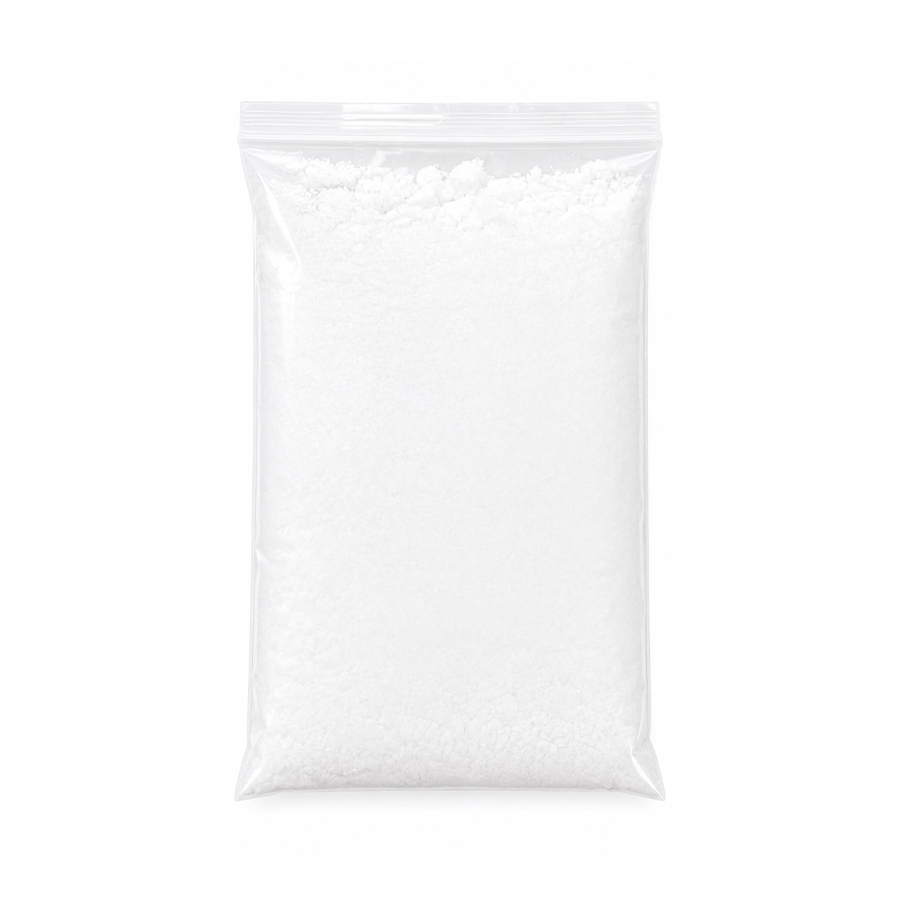

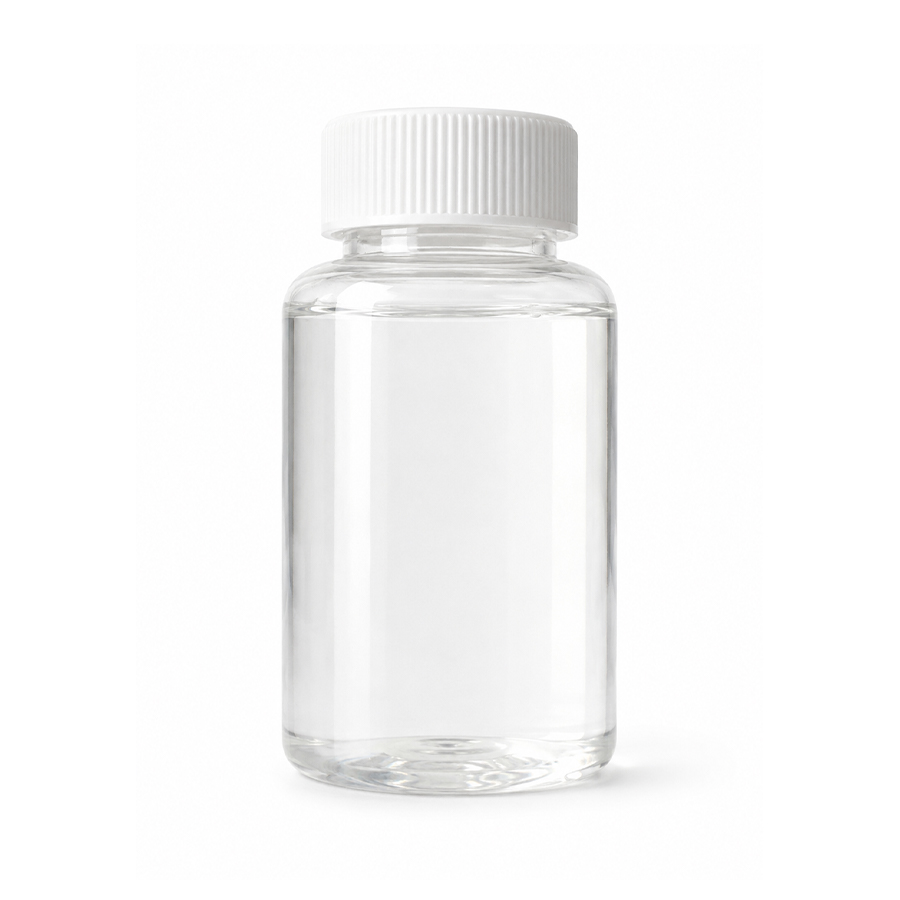

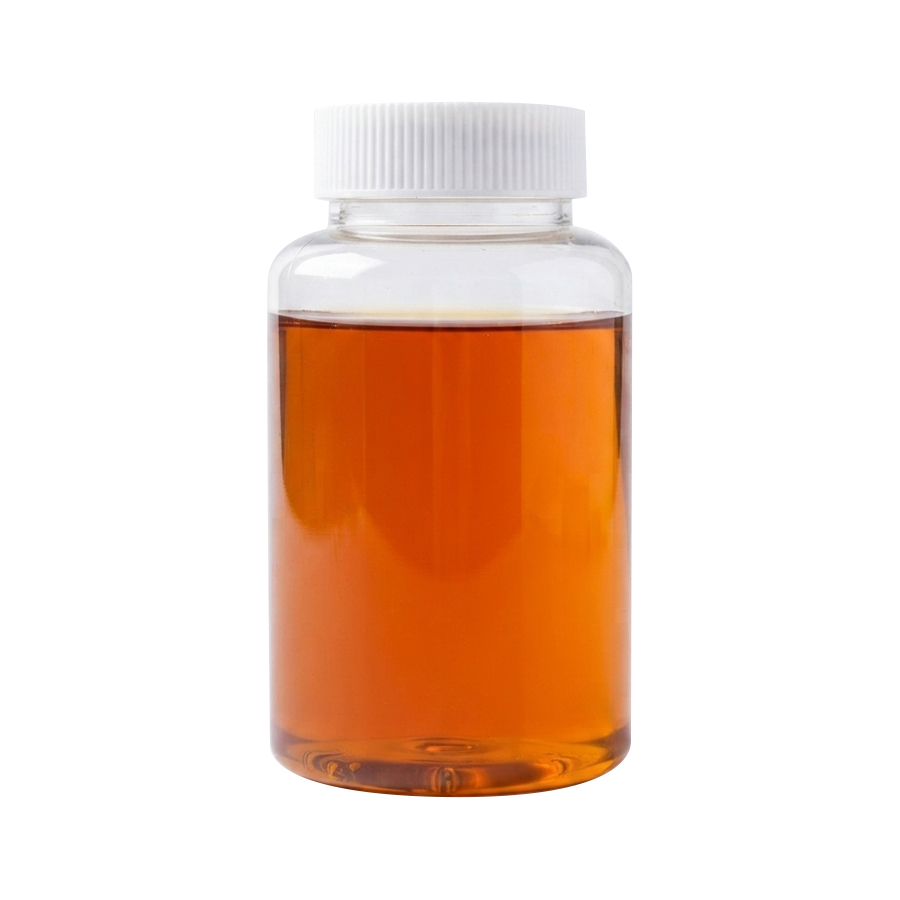
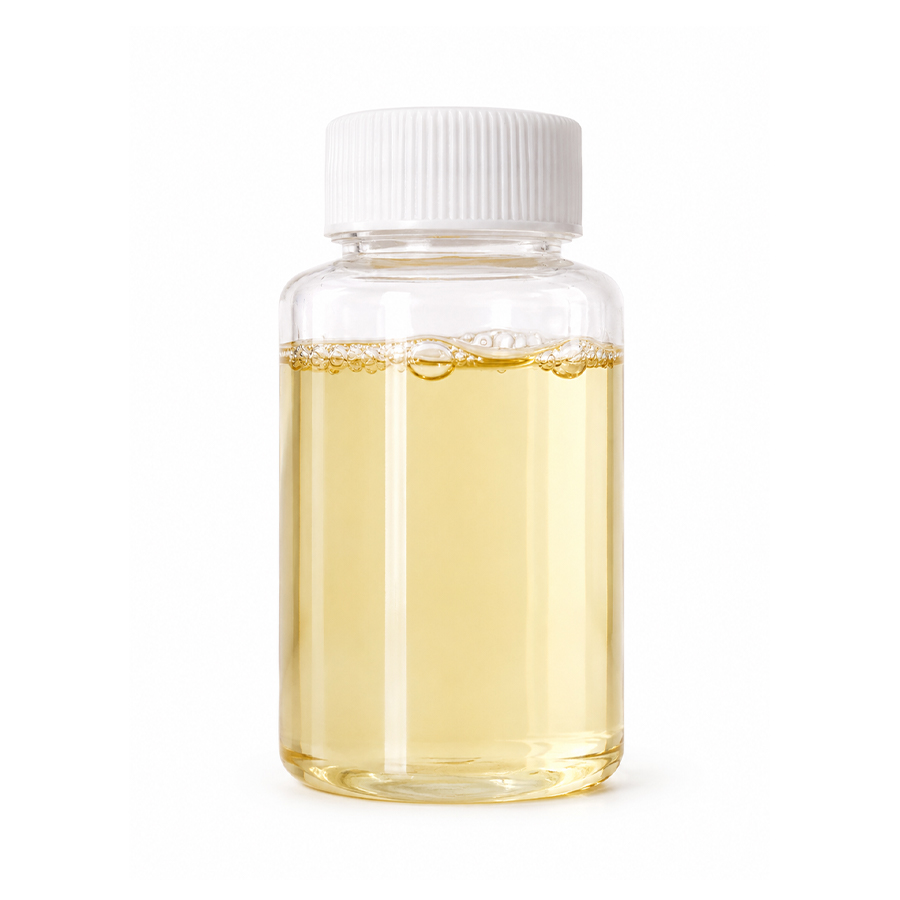
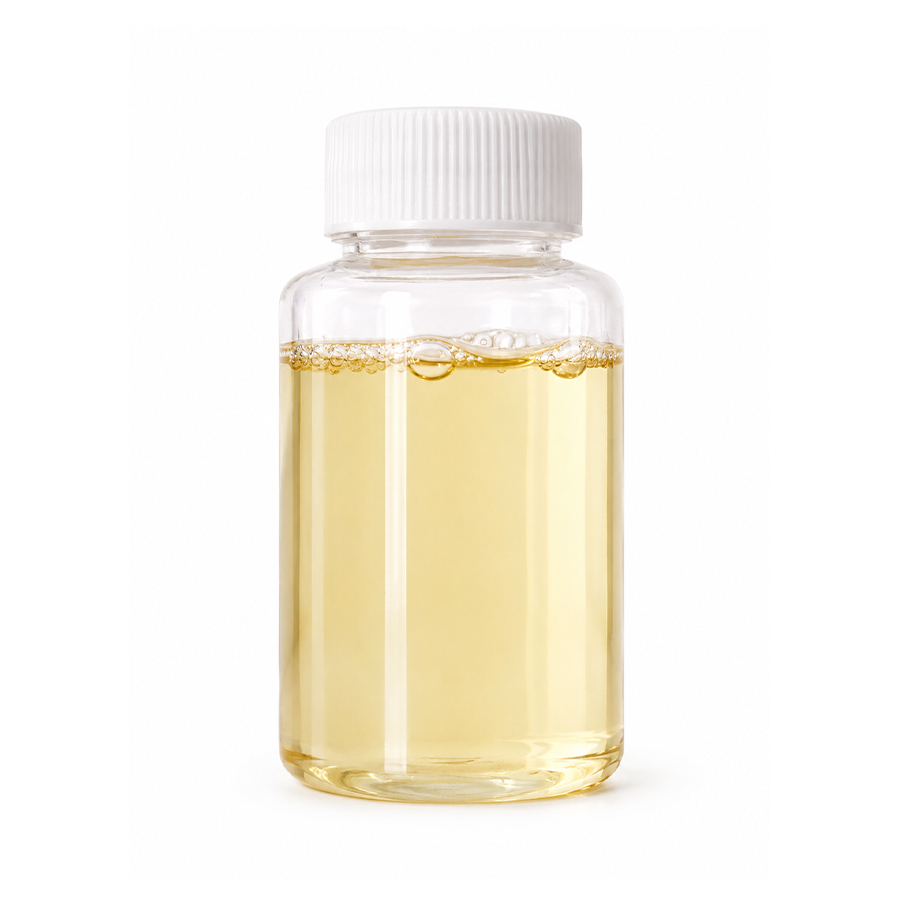
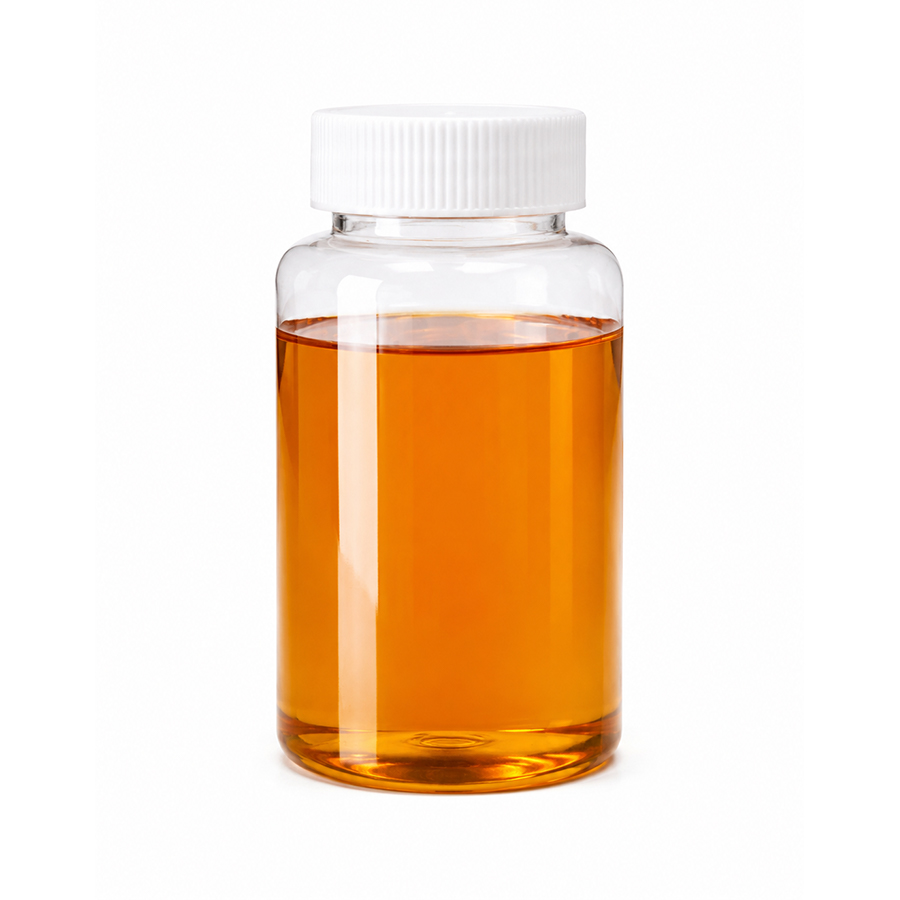

Non-Ionic Fabric Chemicals
Non-Ionic Fabric Chemicals are textile auxiliaries formulated with non-ionic surfactants and polymers that carry no electrical charge in aqueous solution. Because they do not form insoluble complexes with anionic or cationic substances, they can be used across a wider range of bath combinations than charged chemistries. Typical functions include wetting, emulsifying, dispersing, leveling, and washing, and they remain stable across a broad pH range and in hard water. This makes them suitable for pre-treatment, dyeing, and post-treatment stages where process flexibility and bath compatibility are required. The range includes APEO-free and formaldehyde-free options that support OEKO-TEX, ISO 14001, and ISO 45001 compliance requirements.
Company Strengths
More than four decades of continuous textile auxiliary manufacturing from Jiangyin City, Jiangsu Province, China.
Two production plants support large volume orders and continuous delivery schedules.
Pre-treatment, post-treatment, and dyeing auxiliaries available from a single supply source.
Manufacturing Depth
Two production plants with a combined annual capacity of 60,000 tons. Research, development, production, and sales are handled in house, which allows formulation adjustment based on customer process conditions rather than fixed catalogue supply only.
Environmental Compliance
APEO-free and formaldehyde-free formulations are available across the range. Products are designed to help customers meet OEKO-TEX, ISO 14001, and ISO 45001 requirements and restricted substance lists for export markets.
Full Portfolio Coverage
Moisture-wicking finishing agents, high-concentration repair agents, low-temperature environmentally friendly carriers, silicone oils, silicone softeners, antistatic agents, color-fixing agents, stiffening agents, down-proof and windproof agents, and dry and wet rubbing fastness enhancers.
Compatibility Within One System
Products are developed as a coordinated portfolio, which reduces the risk of bath incompatibility and simplifies auxiliaries sourcing for mills running multiple fiber types and processes.
Technical Support
Formulation adjustment support based on fiber blend, machine type, water quality, and target performance. Pre-testing guidance for same-bath compatibility with dyes and other auxiliaries.
Batch Consistency
Production control aimed at consistent batch-to-batch performance, which supports stable finishing results across long production runs and repeat orders.
Export Experience
Packaging, documentation, and product formulations oriented toward international buyers, including regions with specific environmental and restricted substance requirements.
Long-Term Partnership Model
Supply relationships are built around repeat volume, formulation continuity, and mutual growth rather than single-transaction sales.
Core Advantages
Charge Compatibility
No electrical charge means no precipitation with anionic or cationic auxiliaries in the same bath.
pH Stability
Effective across acidic, neutral, and mildly alkaline conditions without loss of function.
Hard Water Tolerance
Not deactivated by calcium and magnesium ions in process water.
Low Foam Options
Grades available for high turbulence equipment and continuous ranges.
Eco Formulation
APEO-free and formaldehyde-free options for restricted substance compliance.
Multi-Stage Use
Suitable for pre-treatment, dyeing, and post-treatment within the same production line.
Product Characteristics
| Appearance | Clear to slightly turbid liquid |
| Ionic nature | Non-ionic |
| pH value | 5.0 to 8.0 (1 percent aqueous solution) |
| Cloud point | Varies by grade; refer to individual technical data sheet |
| Solubility | Readily dispersible in cold to warm water |
| Dosage range | 0.5 to 5 g/L depending on function and process |
| Processing pH | Stable from pH 3 to pH 11 depending on grade |
| Processing temperature | Room temperature to 100 degrees Celsius |
| Shelf life | 12 months in original unopened container |
| Storage | Cool, dry area; protect from freezing and direct sunlight |
| Packaging | Standard industrial containers; contact for specific options |
Performance Data
| Wetting power | Rapid wetting on cotton and synthetic substrates depending on grade and dosage |
| Emulsifying capacity | Effective removal of oils, waxes, and knitting lubricants in pre-treatment |
| Leveling effect | Improved dye uniformity in exhaust and continuous dyeing when used as a leveling agent |
| Hard water stability | Function retained in water hardness up to 300 ppm as calcium carbonate depending on grade |
| Foam profile | Low-foam and controlled-foam grades available for jet and overflow equipment |
| Biodegradability | Depends on grade; refer to technical data sheet for specific information |
Application Scenarios
Pre-Treatment
Wetting agents, scouring aids, and emulsifiers for desizing, scouring, and bleaching baths on cotton and blends.
Dyeing
Leveling agents and dispersing agents for reactive, disperse, and vat dyeing on exhaust and continuous equipment.
Post-Treatment
Soaping agents, washing aids, and emulsifiers for removing unfixed dye and residual chemicals after dyeing.
Printing
Wetting and emulsifying aids in print paste preparation and after-print washing.
Home Textiles
Processing aids for toweling, bedding, and upholstery fabrics where uniform wetting is required.
Technical Fabrics
Wetting and dispersing support for industrial and coated fabric production.
Processing Recommendations
Exhaust Application
Dosage 0.5 to 3 g/L. Add to bath at recommended temperature for the specific function. Circulate for 15 to 30 minutes. Adjust pH before addition.
Pad Application
Dosage 1 to 5 g/L. Wet pick-up 60 to 80 percent. Dry at 100 to 120 degrees Celsius. No curing required for most wetting and emulsifying functions.
Continuous Washing
Dosage 1 to 4 g/L per washing compartment. Temperature 60 to 95 degrees Celsius depending on the soil and fiber type.
Compatibility
Compatible with anionic, cationic, and non-ionic auxiliaries in most cases. Pre-test in the actual bath combination before bulk production.
Frequently Asked Questions
Non-ionic chemicals carry no electrical charge and therefore do not form insoluble complexes with anionic or cationic substances. This reduces the risk of precipitation, spotting, and loss of function when multiple auxiliaries and dyes are present in the same bath. They are often used when the charge nature of other components is uncertain or variable.
The cloud point is the temperature at which a non-ionic surfactant solution becomes turbid due to reduced solubility. Above the cloud point, wetting and emulsifying performance can decrease. For processes running at elevated temperatures, a grade with a cloud point above the working temperature should be selected. Cloud point varies by grade and is listed on the individual technical data sheet.
Non-ionic surfactants are generally more tolerant of hard water than anionic surfactants because they do not rely on charge interaction. Function is typically retained in water hardness up to 300 ppm as calcium carbonate, depending on the grade. For very hard water or high electrolyte conditions, a specific grade recommendation should be requested.
Standard non-ionic surfactants can generate foam under high turbulence. Low-foam and controlled-foam grades are available for jet, overflow, and continuous washing equipment. Dosage control and correct dilution also reduce foam generation. Grade selection should be based on the specific machine type and process conditions.
Biodegradability depends on the specific surfactant chemistry and grade. Some grades are readily biodegradable while others require specific wastewater treatment conditions. Refer to the technical data sheet and Safety Data Sheet for the biodegradability information of each grade, and confirm suitability with local wastewater regulations.
Yes. Non-ionic chemicals are generally compatible with cationic softeners and other cationic auxiliaries. This is one of the main reasons they are used in finishing baths where softeners are present. Pre-testing is still recommended, as some high-electrolyte or high-temperature conditions can affect stability depending on the specific grades involved.
Store in a cool, dry area away from direct sunlight. Protect from freezing below 5 degrees Celsius. If the product freezes, thaw slowly at room temperature and stir before use. Keep containers closed when not in use to prevent contamination. Shelf life is 12 months in the original unopened container under recommended conditions.
Notes on Use and Storage
| Freeze protection | Do not store below 5 degrees Celsius. Thaw slowly and stir if frozen. |
| Cloud point control | Confirm working temperature is below the cloud point of the selected grade. |
| Dilution | Pre-dilute before addition to the bath to ensure uniform dispersion. |
| Contamination | Keep containers closed. Avoid contact with strong oxidizers. |
| Safety | Refer to the Safety Data Sheet for handling and personal protective equipment requirements. |
| Ventilation | Use in a well-ventilated area. Avoid breathing vapors or mists. |
| Disposal | Dispose of contents and container in accordance with local and national regulations. |
Better Textile Auxiliaries Superior Quality
View MoreWe take pride in offering eco-friendly formulations, including APEO-free and formaldehyde-free options, to help our customers comply with international environmental regulations such as OEKO-TEX, ISO 14001, and ISO 45001. Jiangyin Huanan delivers quality, consistency, and value. We are committed to building long-term partnerships based on trust, innovation, and mutual growth, serving customers.
-
1984
Established In
-
02
Production Plants
-
60000
Tons Annual Capacity